A well-maintained home is not just about aesthetics or comfort; it is about protecting one of the biggest investments most people will ever make. Many homeowners, however, unknowingly make maintenance mistakes that seem harmless at first but can lead to costly repairs later on.
Simple neglect, skipped inspections, or improper upkeep can slowly turn small issues into major financial burdens. Understanding these common errors and how to avoid them can save both stress and money in the long run.
Overlooking Roof Care and Inspections
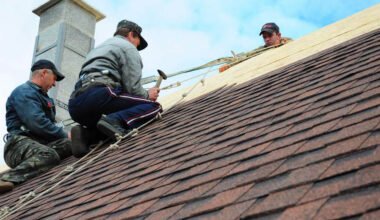
One of the most frequent and costly mistakes homeowners make is neglecting the roof. It serves as the home’s first line of defense against harsh weather, yet many people overlook small warning signs that can lead to major problems.
Missing shingles, cracked flashing, and clogged gutters may seem minor, but they allow moisture to seep in, causing wood rot, mold growth, and weakened structural integrity. Regular inspections and timely maintenance help identify these issues before they grow into expensive repairs.
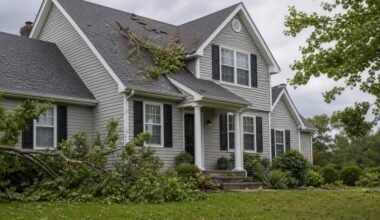
Weather plays a major role in roof wear and tear. For example, after a storm, strong winds or falling branches can lift shingles and expose the underlayment beneath. Similarly, hailstorms can leave subtle impact marks that go unnoticed but worsen with time.
If your roof has also suffered hail damage, arranging a hail damage roof inspection will ensure any hidden dents, cracks, or displaced materials are detected early. Taking these preventive steps not only extends the lifespan of the roof but also protects the entire home from moisture-related damage.
Neglecting HVAC System Maintenance
The heating, ventilation, and air conditioning system plays a critical role in maintaining comfort and air quality. Yet, it is one of the most neglected systems in many homes. Failing to change filters regularly, skipping annual service appointments, or ignoring unusual noises can lead to reduced efficiency and eventual breakdowns.
When the system has to work harder to maintain desired temperatures, it not only consumes more energy but also wears out faster.
Cleaning vents, replacing filters every few months, and scheduling professional tune-ups once or twice a year can extend the life of the system. Preventive maintenance ensures the unit runs smoothly, reduces energy costs, and helps avoid expensive emergency replacements.
Forgetting About Plumbing Checks
Plumbing systems often go unnoticed until something goes wrong. Slow leaks under sinks, dripping faucets, or running toilets may seem minor, but over time they can waste water and cause hidden damage.
Moisture trapped within walls or floors can lead to mold growth, warped wood, and weakened structures. Ignoring water pressure issues or strange noises in the pipes can also result in burst lines or failed water heaters.
Homeowners should periodically inspect visible pipes for leaks and look for water stains on ceilings or walls. Testing the shut-off valves and flushing the water heater annually can prevent sediment buildup and improve its efficiency. Catching small plumbing issues early can save thousands in repair and replacement costs.
Failing to Clean Gutters and Downspouts
Gutters are designed to channel rainwater away from the home, but when they are clogged with leaves or debris, water can overflow and seep into the foundation or roof. This can cause extensive damage over time, including wood rot, mold growth, and basement flooding.
Many homeowners underestimate how quickly gutters can become clogged, especially during the fall. Cleaning gutters at least twice a year, or more often in areas with heavy foliage, is a simple yet effective way to prevent water damage.
Installing gutter guards or screens can also reduce maintenance efforts while ensuring proper drainage. Maintaining clean gutters not only protects the home’s structure but also prevents costly repairs caused by neglected water flow systems.
Overlooking Caulking and Sealing
Caulking and sealing around windows, doors, and other openings may seem like a minor detail, but it plays a significant role in maintaining energy efficiency and preventing moisture intrusion. Over time, caulk can dry out, crack, or peel away, allowing air leaks and water penetration. This can result in higher energy bills and potential mold or rot issues.
Inspecting and reapplying caulk every few years helps maintain a tight seal around the home. This small maintenance task prevents drafts, reduces strain on HVAC systems, and protects the structure from the damaging effects of moisture and pests.
Neglecting Appliance Maintenance
Household appliances such as refrigerators, washing machines, and dryers require routine maintenance to function efficiently. Failing to clean lint traps, check hoses, or remove buildup can shorten their lifespan and pose safety risks. For instance, lint accumulation in dryer vents is one of the leading causes of household fires. Similarly, worn-out washing machine hoses can burst and cause water damage.
Reading and following manufacturer maintenance guidelines, cleaning components regularly, and checking for signs of wear can prevent premature failure. These small tasks can significantly extend the life of appliances and prevent unexpected, costly replacements.
Ignoring Paint and Exterior Maintenance
Paint does more than add color to a home; it acts as a protective layer against the elements. Peeling or chipping paint exposes surfaces to moisture, which can lead to wood rot or rust. Ignoring these early signs can lead to structural deterioration and expensive restorations. Exterior materials such as siding, trim, and decks also need regular care to maintain their integrity.
Regularly inspecting and repainting surfaces as needed helps protect the home from weather-related damage. Cleaning exterior walls and checking for cracks or mildew ensures the property remains well-sealed and visually appealing. Preventive care keeps the home’s structure sound and reduces long-term repair costs.
The Importance of Proactive Home Care
Every homeowner wants to avoid the stress and financial burden of major repairs, but this can only be achieved through consistent, proactive maintenance. Most expensive fixes result not from sudden failures but from years of small problems being ignored. Routine inspections, timely repairs, and attention to detail are the foundation of long-term home preservation.
By staying attentive to potential problem areas such as the roof, foundation, plumbing, and electrical systems, homeowners can ensure their property remains safe, efficient, and comfortable.