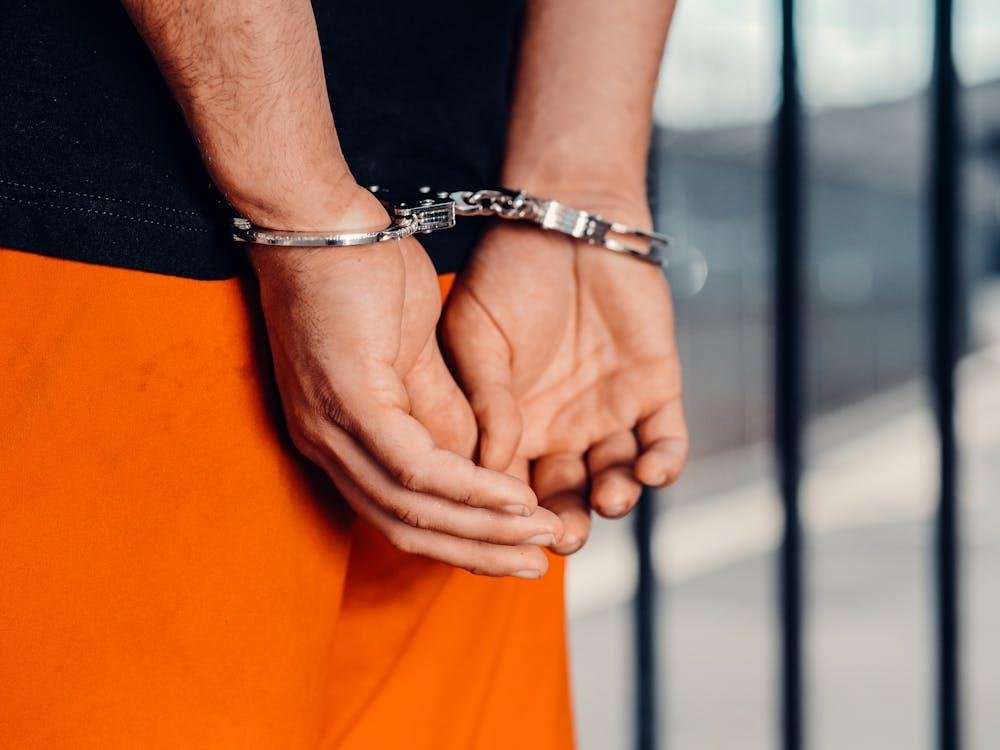
Have you ever considered what it takes to defend someone accused of a crime?
The criminal justice system works, in large part, thanks to the men and women who stand between the average person and the full force of the law. These lawyers face some serious challenges that most people don’t ever see. Unmanageable caseloads, ethical dilemmas and tough choices require more than just legal knowledge to do the job well.
Here’s the thing…
The job also requires balancing protecting the rights of a client with serving the cause of justice. And that balance? It’s becoming harder to strike each day.
Here’s What You’ll Learn:
- The Role of a Defense Attorney
- The Ethical Dilemmas Defense Attorneys Face
- The Problem with Criminal Caseloads
- Private vs Public Criminal Defense Lawyers
What Do Defense Attorneys Do?
Criminal defense attorneys are lawyers who represent clients and businesses that have been accused of crimes. It’s a role that goes way beyond what we see in popular TV courtroom dramas.
Defense attorneys investigate cases, negotiate with prosecutors, file motions, review evidence and advocate for their client’s constitutional rights. According to recent research, there are more than 252,159 criminal defense lawyers in the United States today. Sounds like a lot, right? When you consider how many criminal cases are filed each year, however, that’s actually a shockingly small number of attorneys.
Lawyers can handle cases ranging from minor misdemeanors to serious felonies. Some will focus on particular types of crimes such as white-collar criminal defense or drug crimes. Others will practice as general criminal defense lawyers, taking all types of cases.
But here’s the thing you may not realize…
Every criminal defense lawyer, whether working for a big law firm or as a public defender, has the same core responsibility. They must zealously represent their clients within the bounds of the law.
Private vs Public Criminal Defense Lawyers: The Difference
Want to know one of the biggest distinctions in criminal defense work?
The split between private criminal defense attorneys and public defenders. Private defense lawyers work for themselves or for criminal defense law firms. They can charge clients for their services and typically pick and choose which cases they take on.
Public defenders are court-appointed lawyers who represent clients that can’t afford to hire private counsel. Here’s the staggering fact – nearly 90% of federal criminal defendants are represented by court-appointed lawyers.
Pause for a minute to let that sink in.
The majority of people who face criminal charges can’t afford to hire their own lawyer. They have no choice but to rely on public defenders who are typically buried in cases.
And that caseload issue? It’s completely out of control.
The Criminal Caseload Nobody Is Talking About
This is the part where things get deeply concerning…
Recent national research found that public defenders work three times too many cases to provide effective representation. Some attorneys handle caseloads 10 times higher than they should.
Allow me to put that in perspective:
Old national caseload standards set in the 1970s suggested that public defenders should spend about 13.9 hours on each felony case. New research indicates they should actually be dedicating closer to 286 hours per serious felony to competently represent their clients.
But most public defenders don’t even come close to that amount of time. They are forced to make excruciating choices about which cases to devote more time and attention to and which ones to run through the system with little to no review.
The end result?
Defendants who desperately need zealous advocacy are stuck with attorneys that don’t even have time to read their case files. It’s a crisis that impacts real people facing real consequences – including prison sentences.
The Ethical Tightrope Criminal Defense Attorneys Have to Walk
If you’re a defense attorney, here’s what’s going to keep you up at night:
Balancing two sometimes conflicting duties. On one hand, you owe your clients zealous advocacy and defense of their interests. But as officers of the court, you also have a duty to the criminal justice system itself.
Put into practice, what does this mean?
Defense attorneys can’t knowingly present false evidence, help clients commit perjury, or coach witnesses to lie on the stand. But they also can’t withdraw from cases or neglect to raise legitimate defenses.
Imagine this scenario: Your client just confessed to you in a way that makes you believe they’re guilty. You still have to defend them. Why? Because all people are entitled to legal representation. The prosecutor still has to prove their case beyond a reasonable doubt.
See how tricky that is?
The ethical rules are clear. But applying them in practice in every situation requires serious judgment calls. Defense attorneys face these decisions every single day.
Forming a Trusting Relationship with a Client Who Might Be Untrustworthy
One of the hardest parts of defense work might be the client him or herself.
Your client might not trust you. Your client might lie to you. Your client might make horrible choices against your advice. You still have to do the best job you can for them.
Defense attorneys regularly work with people who are at the absolute worst moments of their lives. Clients might be scared, angry, or in denial about what they’ve done. Building a trusting relationship takes time. Time that’s in ever-shorter supply for public defenders drowning in cases.
The best defense attorneys figure out ways to connect with their clients in spite of these issues. They listen without judgment. They lay out the legal process clearly. They set realistic expectations while still fighting hard for the best possible outcome.
It’s not easy work. But it’s critically important work.
Keeping Current in an Ever-Evolving Justice System
The criminal justice system is constantly in motion. Laws change. Court rulings set new legal precedents. Scientific and technological advancements create new evidence and new challenges in defending clients.
Defense attorneys who want to provide quality representation need to stay on their toes, that means:
- Regular continuing legal education
- Staying up-to-date on new case law and statutes
- Understanding new forensic science developments
- Keeping up with digital evidence and cyber crimes
- Understanding evolving sentencing guidelines
But here’s the issue…
Defense attorneys buried in excessive caseloads don’t have time for all of this additional professional development. They are simply too busy trying to stay above water with the cases they already have.
The result? A vicious cycle. An underfunded criminal defense system leads to overworked attorneys who can’t stay current, which leads to less effective representation.
The Bottom Line
Criminal defense attorneys play an incredibly important role in our justice system. They are the people who make sure constitutional rights aren’t just words on paper but are real protections that apply to actual people in real cases.
The system is in serious trouble. Public defenders are buried in way too many cases. Ethical dilemmas put constant stress on these attorneys. The work is emotionally challenging and often thankless.
In the face of all these issues, defense attorneys still show up to work every day. They still fight for their clients. They still advocate for better outcomes and fairer treatment.
Why? Because someone has to stand between the average person and the full weight of the law. Someone has to make sure prosecutors meet their burden of proof. Someone has to ensure even the most unpopular defendants get a day in court.
That someone is the criminal defense attorney. Without them, the idea of equal justice under law would be nothing more than an empty catchphrase.
The balancing act between justice and advocacy is difficult to maintain. But it’s absolutely necessary to a functioning democracy. Every person accused of a crime deserves competent representation, not because they are necessarily innocent, but because that’s what justice demands.