Recovering from an injury can be a frustrating and often slow process, especially when pain, stiffness, and limited mobility begin to impact everyday life. Whether the injury stems from sport, work, an accident, or gradual strain, the body requires care, strategy, and time to heal well. While rest is important, recovery and progress can be painfully slow without guided and structured rehabilitation.
This is where physio plays a vital role, supporting the body’s natural healing processes, reducing complications, and accelerating return to normal function safely. Medical professionals recommend early physiotherapy treatment as it prevents long-term weakness, poor movement patterns, or pain that doesn’t go away. Rather than focusing solely on symptom relief, those who carry out physio work aim to identify underlying movement issues and treat the root cause to prevent recurring issues.
- Many injuries don’t fully heal when pain goes away, with deeper tissue recovery, joint stability, and muscle function all being essential. A physiotherapist conducts a detailed assessment to understand what areas are affected, how severe the damage is, and which movements are causing discomfort, by focusing on correcting imbalances, improving joint alignment, reducing inflammation, and re-training the body to move correctly.
- Managing pain is obviously important, as it makes getting about more comfortable, but not two injuries heal the same way, and generic exercise routines can delay progress or worsen symptoms. Physios tailor rehabilitation plans that balance gentle mobility work in the early stages with strength building, stretching, and later return-to-sport exercises. Programs are built to progress gradually, ensuring tissues heal under the right load and avoid re-injury.
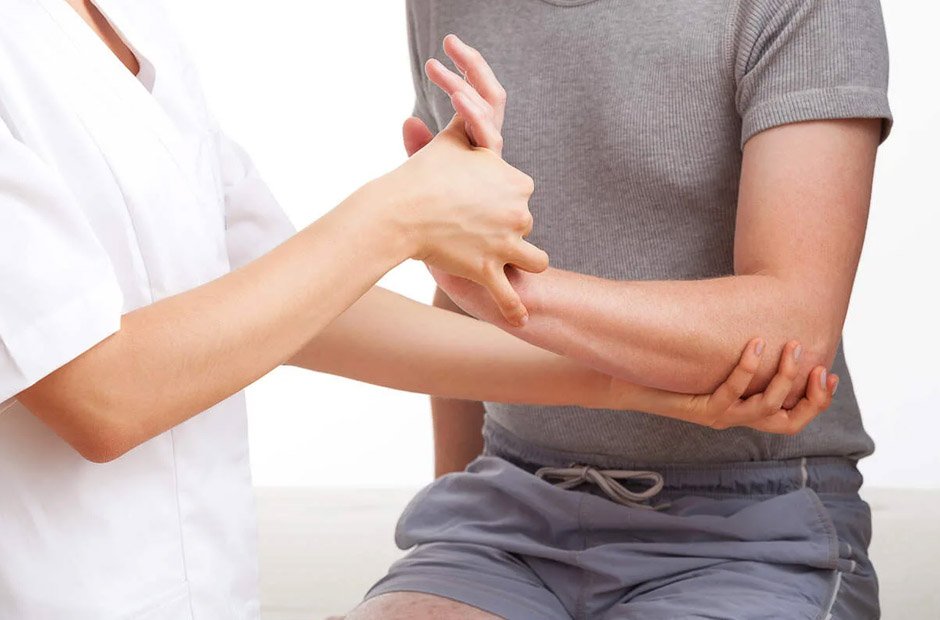
- Manual techniques are employed, such as soft tissue massage, joint mobilisation, trigger point release, and stretching, which can relieve pain while improving range of motion. When muscles tighten to protect an injured area, stiffness can restrict healing. Hands-on physio reduces tension, breaks down scar tissue, and promotes circulation to support faster recovery, with pain decreasing quickly when manual therapy is combined with exercise and movement training.
- A fast recovery means staying healed, as physiotherapists teach proper movement patterns, posture, warm-up methods, and load management tailored to the individual’s activities, whether gym training, sports, daily chores, or work. Understanding how to move correctly reduces the risk of recurring injury and builds up longer resilience. This educational component is one of the most valuable aspects of physio and is often overlooked when recovering alone.
- Injury can be discouraging, especially for active people who rely on movement for work, fitness, or emotional well-being, but it can sometimes be helped when eligible for physio. Physiotherapists provide reassurance, set realistic recovery milestones, and track improvement week by week. Having professional support builds confidence, keeps motivation high, and reduces the fear around movement that can delay progress. The right guidance helps individuals return to activity safely and with a stronger, more stable foundation.
Physio helps those who are injured to recover faster, move better, and reduce the risk of future problems, whether their goal is returning to sport, work, or enjoying increased daily comfort.