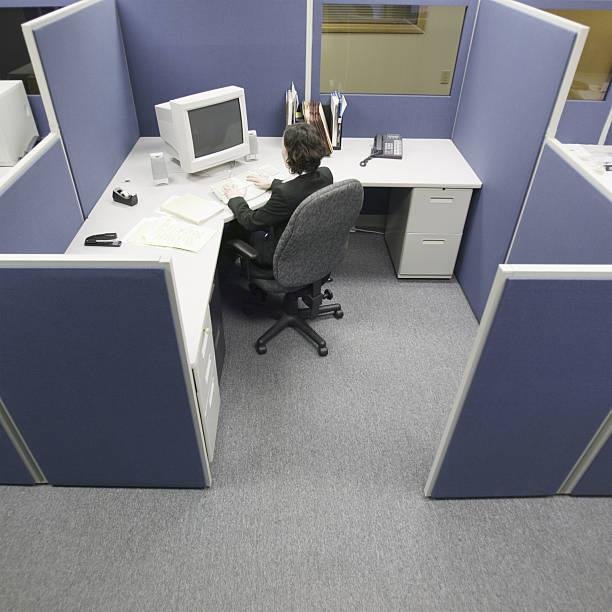
Employers often wonder why desks sit empty despite return-to-office mandates. It isn’t that people hate working. It’s that they hate commuting to a place that feels uncomfortable, loud, or draining. Think of the office as more than just a place to work- it’s an experience that can inspire and energise everyone who walks through the doors. Thoughtful design influences how people feel far more than policies or mandates ever will. When your workplace supports comfort and flow, people are far more willing to show up.
Start With Comfort, Not Aesthetics
Comfort is the foundation of any office where people enjoy working. Chairs should support long hours without causing aches. Desks and monitors need to sit at the right height to reduce strain. Noise matters more than many realise. Hard surfaces, open ceilings, and constant chatter quietly wear people down.
Temperature consistency is just as important. When some people are freezing, and others are overheating, frustration builds fast. Discomfort does not always lead to complaints. Most people simply disengage. They lose focus, take more breaks, or leave earlier. Comfort is not about luxury. It is about removing daily friction so people can work without distraction.
Layout That Matches How People Actually Work
Open-plan offices fail when there’s nowhere to escape. People need a balance between collaboration and focus. That means quiet zones for deep work, meeting spaces for teamwork, and individual areas for tasks that require concentration. Clear visual cues help too—different furniture, lighting, or partitions signal what each zone is for.
Rigid layouts don’t work because work itself isn’t inflexible. Some days require heads-down focus. Other days demand collaboration.
Natural Light and Visual Calm
Natural light has a powerful effect on energy and mood. Workplaces with good daylight feel more open, calmer, and easier to work in. Poor lighting leads to fatigue, headaches, and that familiar mid-afternoon slump. Harsh overhead lights and screen glare add to the problem. Simple changes help. Use softer lighting where possible.
Position desks to make the most of windows. Add plants to bring visual warmth and reduce stress. When the eyes can rest, the brain can focus for longer.
Temperature Control and Sensory Comfort
Temperature is one of the most common workplace complaints. One setting never suits everyone. Some people run cold, others hot. Where possible, zone the space or allow local control through fans or portable heaters.
Fresh airflow matters too—stale air makes people sluggish. Minor adjustments, like opening windows or adjusting vents, can reduce friction and distractions throughout the day.
Ensuring the environment stays comfortable year-round, especially by keeping up with commercial air conditioning repair Melbourne, can make a huge difference in how staff feel day to day.
When people feel physically comfortable, they can focus on their work rather than constantly being aware of their discomfort.
Breakout Areas That Support Recovery, Not Distraction
People cannot run at 100% capacity for eight hours straight. Mental breaks aren’t time-wasting—they improve productivity. Short breaks help people reset and return to work with better focus. Social spaces allow connection and informal conversation. Quiet reset zones give people a chance to pause without noise.
The setup should feel inviting and usable, not forced or performative. Comfortable seating, softer lighting, and some separation from work zones make a difference.
These areas do not reduce productivity. When staff feel safe taking twenty minutes to recharge, they return to their desks with renewed focus.
Thoughtful Design Builds Trust and Morale
Office design sends a clear message about how staff are valued and the company’s culture. When a workspace is comfortable and well-thought-out, staff feel that investment. They take more ownership of the space and engage more deeply with their work.
Involving staff in small design decisions reinforces that trust even further. It shows their input matters. The result isn’t just a better-looking office. It’s a culture where people feel seen, valued, and genuinely supported in doing their best work.
Practical Steps to Get Started Without a Full Redesign
You don’t need a complete overhaul to make meaningful changes.
- Walk through the office at different times of day and notice what feels uncomfortable
- Ask staff directly what frustrates them most about the space
- Prioritise low-cost fixes like better seating, adjustable lighting, or acoustic improvements
- Test small changes in one area before rolling them out
- Create one dedicated quiet zone and one breakout area, even if small
- Check that temperature controls are working and air is circulating properly
Prioritise changes that remove daily irritation. These changes build momentum without requiring a massive budget or months of disruption.
At the end of the day, nobody falls in love with an office. They appreciate a space that makes their work easier and their day calmer. Thoughtful design won’t solve every workplace challenge, but it removes unnecessary friction and creates an environment where people can do their best work.
The best offices do not rely on rules or pressure. They invite people in by making work feel better as soon as they arrive.