Creativity has always lived in tension with structure. Artists romanticise freedom, but space without boundaries can become overwhelming. Designers, makers, and creators often discover that the most meaningful expression comes from frameworks that support imagination rather than restrict it.
Design is not a constraint. It is a rhythm. It guides movement, sets intention, removes friction, and allows ideas to breathe. When the structure is right, creativity expands rather than narrows.
Here are design principles that liberate imagination by giving it something to push against, shape around, and grow within.
Create Spaces That Hold You, Not Confine You
A creative space should feel like a container, not a cage. Light, openness, thoughtful ventilation, and intentional layout give the mind permission to explore.
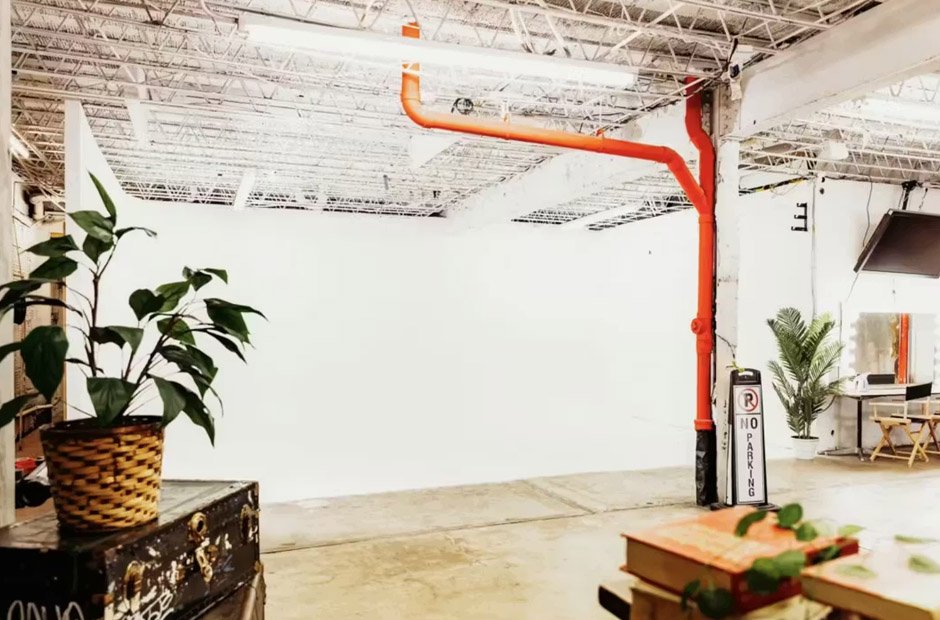
When physical environments encourage flow, the imagination follows. Even industrial workspaces can be shaped through purposeful planning and solutions such as LEV system design that help keep air clear and conditions comfortable, enabling artists and makers to work longer, safer, and with greater intensity.
Space that supports the body frees the mind.
Embrace Limitations as Catalysts
The absence of limits can paralyse. A blank canvas with no direction can feel like silence. When designers set principles around scale, colour palettes, or material choices, ideas sharpen.
Constraint narrows hesitation and amplifies purpose. Creativity becomes an act of refinement rather than wandering.
Let Function Shape Beauty
Design that works beautifully becomes beautiful. Chairs that support posture, tools that fit the hand, rooms that guide movement; function creates elegance without ornamental effort.
When function leads, artistry becomes effortless expression.
Build Systems That Do the Invisible Work
Creativity isn’t a constant performance. It is supported by hidden mechanisms: air systems, lighting control, acoustic balance, ergonomic arrangements, and material storage.
When the backstage engineering is thoughtful, the front-stage craft thrives. Structure carries the weight, so imagination remains light.
Focus on Sensory Honesty
Texture, temperature, scent, sound, and colour help the senses anchor creative experience. A design that honours sensory feedback invites exploration.
A cool surface, a warm beam of light, a quiet corner, and a textured material are subtle prompts that inspire curiosity.
The honest environment says: “Stay longer. Try something. Think differently.”
Remove Friction Without Removing Character
Too much polish can sterilise ideas and too much chaos can overwhelm. Creativity lives in the balance and in the spaces that move smoothly, yet feel inhabited, imperfect, and alive.
Remove barriers, not personality. Curate, don’t sanitise.
Give Ideas Somewhere to Land
Whiteboards, pin-boards, sketchbooks, worktables, digital boards—ideas need somewhere physical to rest. When thoughts have a home outside the mind, they multiply.
Design gives the intangible a place to evolve.
Let Craft Guide Technology
Digital design is limitless, but tactility gives ideas weight. Clay, fabric, timber, graphite, pigment; these are materials that remind us that creativity is embodied.
Let technology serve the craft, not replace the hand.
Make Space for Stillness
Creativity needs silence as much as stimulation. A moment of stillness, a slow breath, a quiet zone in a studio are the pockets of pause that become incubators for insight.
Design that embraces rest creates momentum.
Honour the Process, Not Just the Outcome
Design is iteration. Creativity is movement. The outcome is only a snapshot of everything that came before.
When systems, spaces, and structures honour the journey, creators unlock their best work long before the final form appears.
Freedom is not a void. It is a foundation. The right design does not direct creativity; it holds it, protects it, and then releases it into possibility.