Advancements in medical research have revolutionized the way diseases are understood, diagnosed, and treated. Among these breakthroughs, preclinical imaging has emerged as a vital tool in bridging the gap between laboratory research and clinical application. By allowing researchers to observe disease progression and therapeutic responses in living models, preclinical imaging significantly enhances the development of safe and effective treatments, ultimately leading to better outcomes for patients.
What is Preclinical Imaging?
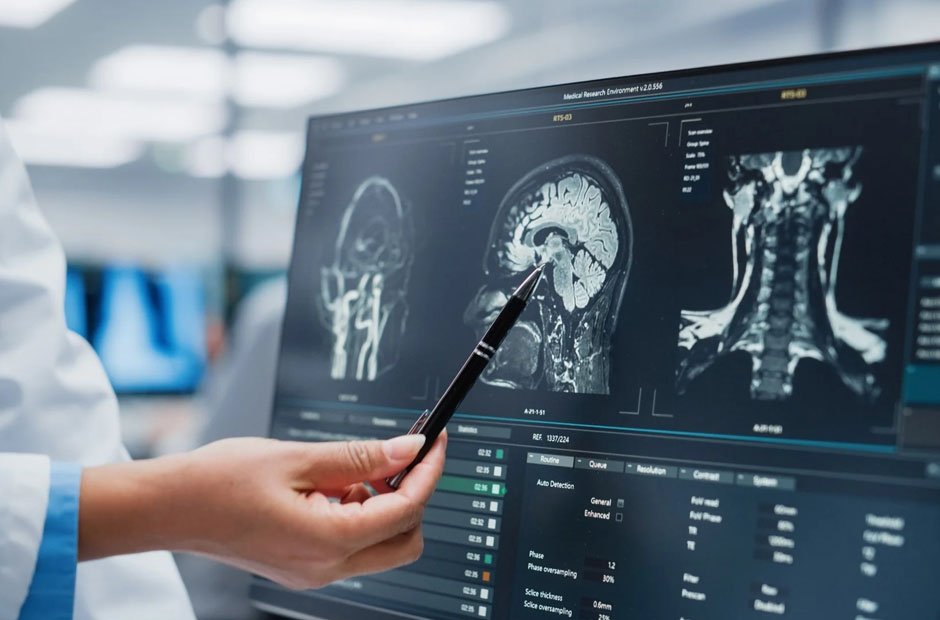
Preclinical imaging refers to a range of techniques used to visualize biological processes in animal models before therapies are tested in humans. These methods include magnetic resonance imaging (MRI), computed tomography (CT), positron emission tomography (PET), and optical imaging, among others. Each modality provides unique insights into anatomy, physiology, and molecular activity, enabling researchers to monitor disease in real time. Unlike traditional post-mortem studies, preclinical imaging allows longitudinal studies, meaning scientists can track the same subject over time. This reduces variability in experimental data and provides a clearer picture of how diseases progress and respond to interventions.
Accelerating Drug Development
One of the most significant advantages of preclinical imaging is its ability to accelerate drug development. In the past, drug candidates often failed during clinical trials because animal studies couldn’t adequately predict human responses. With preclinical imaging, researchers can assess the effects of experimental therapies on target organs and tissues non-invasively. For instance, PET scans can reveal how a drug distributes throughout the body, while MRI can detect subtle changes in tissue structure or function. This detailed information allows scientists to identify promising therapies earlier and eliminate ineffective ones before human trials, saving time, resources, and, most importantly, patient lives.
Supporting Personalized Medicine
Preclinical imaging also plays a crucial role in advancing personalized medicine. By studying disease mechanisms and treatment responses in animal models, researchers can develop more precise therapeutic strategies tailored to individual patients. For example, imaging can reveal specific biomarkers associated with cancer progression, enabling the design of targeted therapies that minimize side effects. These insights ultimately translate into treatments that are safer, more effective, and better suited to the unique needs of patients.
Enhancing Safety and Regulatory Compliance
Safety is paramount in developing new drugs and medical devices. Before therapies can enter clinical trials, regulatory authorities require robust evidence of safety and efficacy. Imaging allows researchers to observe potential toxicities or adverse effects in living models without the need for invasive procedures. By providing a detailed understanding of how a therapy interacts with the body, preclinical imaging ensures that only the most promising and safe candidates advance to human trials, reducing the risk of harm to patients.
Collaboration Through Preclinical Imaging Services
Access to high-quality imaging platforms fosters collaboration between academic institutions, pharmaceutical companies, and healthcare providers. Researchers can leverage specialized technology to conduct complex studies that would be difficult to perform in individual labs. Companies offering preclinical imaging services provide the expertise, equipment, and analytical tools necessary to generate reliable data, helping accelerate the translation of research discoveries into clinical applications. These partnerships ultimately contribute to a more efficient and effective drug development pipeline.
Conclusion
Preclinical imaging is a cornerstone of modern medical research that drives innovation and improves patient outcomes. By enabling precise, non-invasive observation of disease and treatment effects in living models, it accelerates drug development, supports personalized medicine, ensures safety, and fosters collaboration across the biomedical community. As technology continues to advance, the role of preclinical imaging will only grow more essential, bringing new therapies from the lab bench to the patient bedside faster and more safely than ever before.