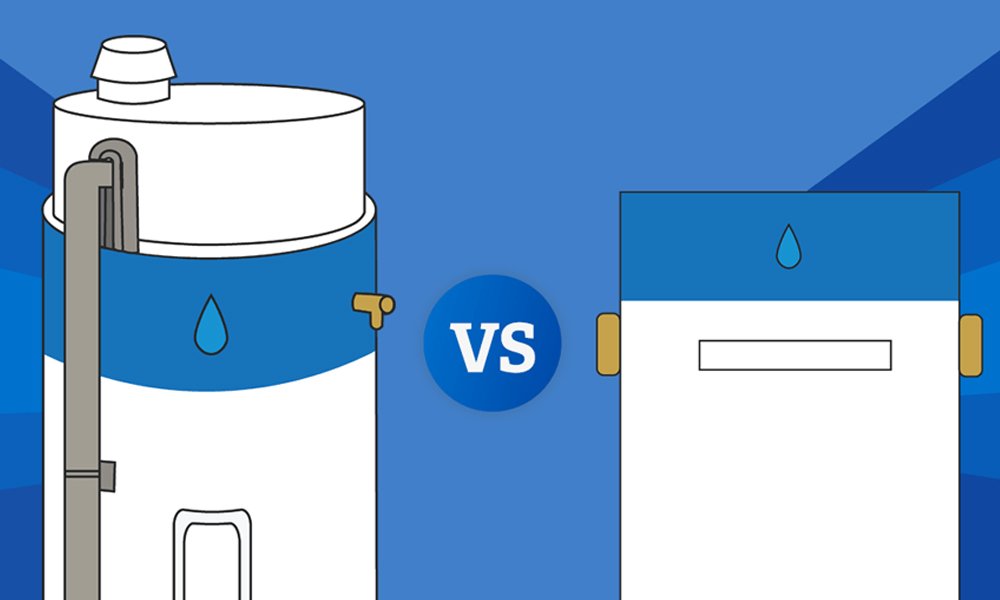
When considering an upgrade or replacement for your home’s water heating system, it’s essential to weigh the pros and cons of every available option. With rising energy costs and evolving efficiency standards, many homeowners are now comparing classic tank models to innovative tankless systems. For those interested in water heater installation in Charlotte, NC, understanding the differences will help ensure a wise long-term investment that fits your family’s unique needs.
Both tank and tankless water heaters come with unique advantages and limitations, ranging from energy efficiency and upfront costs to installation complexity and expected lifespan. Navigating these factors is essential whether you’re building a new home or simply looking to improve your existing hot water supply.
This guide examines each system in depth to help clarify these critical distinctions. A water heater isn’t just another household appliance—it’s a vital component of daily comfort and overall utility expenses. Making the right choice can translate into years of steady performance and noticeable savings.
Let’s explore the ins and outs of tank and tankless water heaters so you can make an informed choice tailored to your needs and budget.
Understanding Tank Water Heaters
Traditional tank water heaters remain a staple in many households due to their straightforward operation and consistent performance. These heaters work by continuously storing and heating a specific amount of water, typically ranging from 30 to 80 gallons. As hot water is drawn for showers, laundry, or dishes, the tank refills and reheats the incoming cold water to maintain a preset temperature. While this setup guarantees readily available hot water, it also means the heating element works even when no one is using hot water, resulting in energy loss over time—commonly known as standby heat loss.
Installation is typically reliable and affordable, which is one of the primary reasons tank heaters remain so popular in residential settings. However, their larger size demands a dedicated space within your home, often a utility room, basement, or garage.
Exploring Tankless Water Heaters
Tankless water heaters, also known as “on-demand” systems, employ a fundamentally different approach. Instead of storing hot water, they heat water instantly as it flows through the unit. This not only eliminates the problem of standby heat loss, but also offers a virtually endless supply of hot water as long as the unit’s flow rate is not exceeded.
Tankless systems are prized for their efficient energy use and compact footprint. They are often mounted on a wall and take up considerably less space than their tank counterparts. However, switching to a tankless model can require modifications to your home’s electrical or gas infrastructure. This can increase installation costs, but the improvements in efficiency and longevity can offset the initial expense in the long run.
Energy Efficiency and Costs
One of the most compelling reasons to choose a tankless water heater is its superior energy efficiency. Homes that use less than 41 gallons of hot water per day can achieve a 24% to 34% boost in efficiency by using a tankless unit. For homes that use more hot water, the efficiency gains remain significant, although slightly reduced.
While tankless heaters save on energy bills over time, the units themselves generally cost more to purchase and install—sometimes two to three times the price of a traditional tank system. Tank models, while cheaper upfront, tend to have higher ongoing energy and water costs, especially as the appliance ages and efficiency drops due to sediment buildup.
Installation and Space Requirements
Traditional tank water heaters are sizable and require a designated installation area, often consuming valuable square footage. In contrast, tankless heaters are compact and can be installed in closets, under sinks, or discreetly mounted on a wall. However, tankless installations can be more complex, as they may require electrical upgrades or larger gas lines, especially in older homes.
This installation complexity often means a higher initial investment; therefore, it is essential to factor these potential costs into your decision. Consulting a professional will ensure that the chosen model is installed safely and performs optimally for your specific circumstances.
Maintenance and Lifespan
Tank water heaters typically require annual maintenance, such as flushing, to prevent sediment accumulation. If ignored, this can decrease efficiency or even damage the unit. The average lifespan of a tank heater is about 10 to 15 years.
Tankless water heaters can last 20 years or more when properly cared for. However, hard water can accelerate scale buildup inside the unit, necessitating regular descaling or filter changes to keep the system operating smoothly. Maintenance routines should be discussed with a licensed technician when selecting a new water heater.
Performance and Hot Water Supply
One limitation of tank heaters is their finite hot water supply; when the tank is emptied, there’s a delay as it refills and reheats. This can be problematic for larger households or during times of peak demand.
Tankless heaters, on the other hand, can provide continuous hot water—yet their performance depends on the unit’s capacity and the number of simultaneous users. If demand exceeds the system’s flow rate (e.g., multiple showers and appliances running at once), users may experience a drop in water temperature or pressure.
Environmental Impact
Tankless systems offer a more sustainable option for environmentally conscious homeowners. Higher energy efficiency means reduced greenhouse gas emissions, and the longer lifespan results in less frequent appliance replacement. Still, it is essential to consider the broader environmental footprint—from the materials used to manufacture the heater to the disposal procedures at the end of its lifecycle.
Local initiatives and rebates may be available for energy-efficient appliances, further encouraging greener upgrades.
Making Your Decision
Your final choice will depend on your home’s hot water needs, available space, upfront budget, and long-term goals. For many, the convenience and affordability of a tank water heater suffice, while others may prioritize efficiency and lower monthly bills with a tankless system.
Conclusion
Choosing between a tank and a tankless water heater comes down to balancing upfront costs, energy efficiency, space, and household hot water demands. Tank systems offer reliability and lower initial investment, while tankless units provide long-term savings, continuous hot water, and a smaller footprint. Evaluating your family’s usage patterns, maintenance preferences, and installation requirements will help ensure you select the water heater that best fits your home and lifestyle.