Key Takeaways:
- Understanding which vehicle defects are covered under lemon laws can help consumers seek appropriate remedies.
- Persistent issues with critical vehicle components often qualify a car as a lemon.
- Documenting repair attempts and understanding state-specific lemon law criteria are essential steps for consumers.
For anyone facing repeated, unresolved car issues, recognizing which types of defects are covered under lemon laws can be the difference between suffering ongoing headaches and finding effective relief. Many consumers are surprised to learn that their state’s lemon laws may entitle them to a refund or a replacement vehicle if the problem affects safety, use, or value—and if the automaker or dealer fails to fix it after several repair attempts. Knowing the Missouri lemon law statute of limitations is also critical, as each state imposes its own deadlines for filing a claim.
Not all car troubles meet the strict requirements for a lemon law case, but some persistent issues tend to qualify more than others. In general, these tend to be defects impacting core vehicle systems, where recurring malfunctions could put drivers and passengers at risk. It’s essential to keep repair records, work with your dealership, and seek state-specific guidance to preserve your rights and eligibility.
Consumers should keep in mind that individual state laws differ widely on which issues qualify, how many repair attempts are necessary, and what remedies are available. While federal law, like the Magnuson-Moss Warranty Act, offers some protection, state lemon laws remain the gold standard for addressing persistent car defects under warranty. For detailed guidance on your specific situation, contacting a lemon law attorney or a consumer protection official is always wise.
Engine Issues
A faulty engine is among the most severe problems a vehicle can have. Chronic stalling, overheating, loss of power, rough idling, unexplained noises, and excessive oil consumption often indicate significant underlying defects. For example, high-profile engine issues in specific BMW models, like the N54’s notorious fuel pump failures, led to abrupt shutdowns and posed real safety concerns for drivers. If your engine problem persists despite dealer repairs, you may have a qualifying lemon law claim. Be sure to document every repair visit, including detailed notes about symptoms, outcomes, and parts replaced.
Transmission Failures
The transmission plays a critical role in conveying engine power to the wheels. Defects here can cause slipping gears, hesitation, rough or delayed shifts, and complete drivability loss. If your vehicle’s transmission defects jeopardize safety or consistent operation and your dealership can’t remedy the issue after a reasonable number of attempts, your case may clearly fall under state lemon laws.
Electrical System Malfunctions
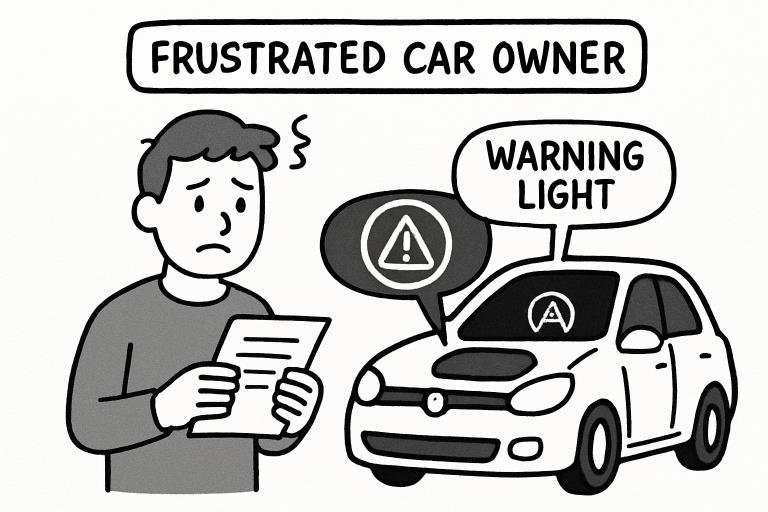
As today’s vehicles rely heavily on complex electrical systems, malfunctions can quickly accumulate. Symptoms often include dead batteries, warning lights that remain illuminated, malfunctioning infotainment systems, or complete electronic shutdowns. Issues with sensors, onboard computers, or hybrid components routinely lead to recurring headaches for consumers. If repeated dealer interventions haven’t rectified the recurring electrical faults, your vehicle could meet the “lemon” threshold in your state.
Brake System Defects
Properly functioning brakes are crucial for vehicle safety. Defective brakes may manifest as soft pedal feel, grinding sounds, vibrations, or longer stopping distances. Some states, like California, allow lemon law relief after only two unsuccessful attempts on life-threatening defects such as brake failure. If your vehicle’s dealer cannot repair persistent braking system issues—especially those affecting safety—your legal rights may be triggered quickly. Always insist on detailed repair records for each visit to document your efforts for a claim.
Steering and Suspension Problems
Difficulty turning, strange noises when turning the wheel, vibrations, or uneven tire wear may all point to steering or suspension trouble. Beyond comfort, unresolved problems in these systems can make vehicles unpredictable and dangerous on the road. Lemon law claims are frequently brought for cars with steering “dead zones” or recurring alignment failures. Document when and under what conditions symptoms occur—they often provide valuable clues when asserting a defect claim.
Fuel System Defects
Leaks, pump failures, and erratic fuel delivery can be more than inconvenient—they can also cause safety emergencies, such as engine fires or vehicle stalling at speed. A faulty fuel system puts both occupants and other motorists at risk and is taken seriously under lemon law statutes across many states. If the dealership is unable to solve fuel-related issues within the state-mandated timeframe or number of repair attempts, legal recourse may be available to you.
Airbag and Seatbelt Failures
Defective airbags and seatbelts undermine the entire premise of modern vehicle safety. Malfunctions might include non-deploying airbags, warning lights that stay on, seatbelts that won’t latch or retract, or faulty seat sensors. For a deeper understanding of the ongoing challenges and safety improvements in airbags over the years, see this detailed review from Consumer Reports. If your dealer or manufacturer cannot adequately correct these problems, your case is very likely to qualify under your state’s lemon law, as these are considered critical life-saving features.
Persistent Water Leaks
While water leaks may seem trivial compared to transmission or engine failures, they often lead to severe secondary problems, including mold, electrical shorts, and rapid rusting of structural components. If your vehicle dealer is repeatedly unable to track down and fix leaks after several attempts, you have a strong basis for a lemon law claim. Water intrusion is increasingly being recognized as a substantial defect when it leads to other costly or hazardous conditions over time.
Knowing when and how your car troubles may qualify under the lemon law is the first step toward relief. Always maintain thorough records of all dealership visits, repairs, and communications, and check your state’s specific deadlines for action. Most of all, don’t hesitate to seek outside help—whether it’s from a qualified attorney or a consumer protection agency—to ensure you protect your investment and your safety on the road.