Key Takeaways
- Monitor water levels regularly to spot unusual changes.
- Try easy DIY methods, such as the bucket test, to verify suspected leaks.
- Inspect the equipment and the pool’s perimeter for visible signs of leaks.
- Turn to qualified professionals for advanced leak detection and repairs.
Owning a swimming pool brings enjoyment and relaxation, but it also demands diligent attention to maintenance, especially when it comes to preserving water quality and preventing leaks. Over time, undetected leaks can lead to significant water loss, result in expensive utility bills, and even compromise the structural integrity of your pool. By integrating a proactive approach, you can minimize these risks and protect your investment. For those seeking to deepen their understanding of leak identification, viable solutions such as swimming pool leak detection services are readily available and offer expert guidance.
Maintaining your pool in peak condition requires recognizing warning signs early and knowing which steps to take for effective leak management. A mindful strategy not only saves resources but also ensures the long-term health and safety of your backyard oasis. With both do-it-yourself and professional methods to choose from, every pool owner can stay ahead of potential problems—reducing headaches and maximizing enjoyment.
Recognizing the Signs of a Pool Leak
Identifying leaks in swimming pools is crucial to preventing further damage. Pool owners should be alert to signs indicative of leaks, which include consistently dropping water levels—particularly when the loss exceeds 1/4 inch per day. Other indicators include unexplained wet areas surrounding the pool, water accumulation in unintended locations, and an increase in chemical usage. Additionally, the presence of air bubbles in the pool pump’s return jets signifies potential air infiltration through cracks or leaks in the system. Inspecting the pool structure for visible defects, such as cracks or chips in the plaster, tile, or concrete deck, is essential as these may also lead to leaks. It’s essential to distinguish between natural evaporation, influenced by environmental conditions, and actual leaks that result in significant water loss.
The Bucket Test: A Simple DIY Method
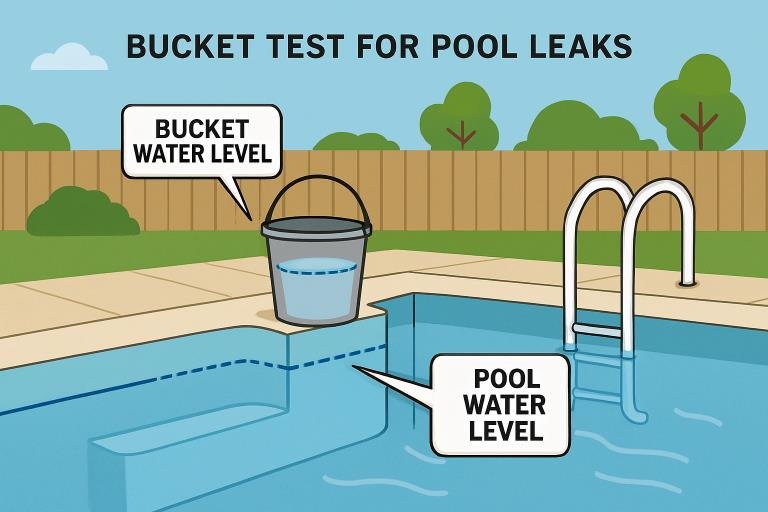
To determine if a swimming pool is leaking, one effective method is the bucket test. This involves filling a bucket three-quarters full with pool water and placing it on a pool step, ensuring it is submerged but not floating to the surface. After marking the water levels inside the bucket and at the pool’s water line, allow 24 hours to pass and then compare the two levels. If the pool’s water level drops more than that of the bucket’s, it suggests a potential leak. This method effectively distinguishes between water loss due to evaporation and actual leaks, helping to identify genuine concerns.
Inspecting Pool Equipment and Surroundings
Many pool leaks stem from faulty equipment or improper installation at the pool’s edge. Regular visual inspections of the pump, pipes, filter, and valves should be conducted to check for moisture or dripping, with a particular focus on seals, joints, and connectors, where leaks are most commonly found. Specifically, moisture around pump seals and pipe joints indicates a potential leak requiring repair. Additionally, ensure that all hoses and connections in the filtration system are tight and dry. Finally, inspect pool liners and edges for tears, cracks, or deterioration, especially after storms or heavy usage.
When to Seek Professional Help
If thorough DIY methods don’t yield precise results, or if the leak appears complex or inaccessible, it’s best to consult qualified professionals. Pool leak detection experts employ advanced methods, including pressure testing, electronic listening devices, and underwater cameras, to precisely locate the source of a leak. Swift, expert repairs help prevent further water loss and potential damage to adjacent landscaping or structures.
Preventive Measures to Avoid Future Leaks
Prevention is vital for maintaining pool health, emphasizing the need for scheduled maintenance that includes inspecting for cracks, weakened liners, and malfunctioning hardware. Balanced water chemistry is crucial in preventing erosion and corrosion, which can lead to leaks. Utilizing a high-quality pool cover helps keep debris away, reduces evaporation, and minimizes sun exposure, thus aiding in leak prevention and improving water retention. Regular inspections of both the pool equipment and the pool itself should occur at least once a season, while maintaining proper chemical levels helps decrease damage to pool surfaces and equipment. Additionally, using a pool cover is an effective method for conserving water and promoting long-term pool health.
Conclusion
Staying proactive with pool maintenance and leak detection not only conserves water, but it also preserves your pool’s lifespan and protects your home. Simple vigilance, periodic DIY tests, and professional intervention when necessary ensure you’ll enjoy a safe, efficient, and leak-free swimming environment for years to come.