For many older people, navigating their home with arthritis, limited movement, or even walking aids can be a serious challenge, which can hinder their independence and self-esteem.
Luckily, there are plenty of options to help the elderly stay in their homes for longer, allowing them to live their lives as they want, and, best of all, some features can even add value to their home. Here are some tech trends to explore in the coming year!
Elevators
The stairs can be a struggle for many older people who may have stiff joints or issues with maintaining their balance.
One option is to look into home elevators, which can be set up in a matter of weeks, and depending on your income (and the level of need), you may be able to seek some financial help from the Area Agency on Aging. Just make sure that any elevator is installed by a professional to avoid it breaking down or even damaging your home.
Toilet Frames
A lot of older people struggle with using traditional toilets, especially if they have arthritis. So, investing in a toilet frame is a wise idea, especially one that may have an adjustable height and can be folded down when not in use. Alternatively, you can invest in a commode or even a bidet if your loved one has an issue with cleaning after using the toilet.
Walk-In Baths or Showers
A walk-in bath or shower is a great feature to have in any home where there is someone who may be struggling to use the traditional options.
You can ensure that your loved one is safe while bathing, won’t get stuck coming out of their bath, and you can also be happy that they are able to clean themselves unassisted, helping them to maintain their pride and their independence. Depending on where you live, you may be able to get financial help covering the cost of this, and, if you or your loved one qualifies for Medicaid, you should ask about home-improvement grants to cover the full or partial cost.
Grab Rails
Most people mentally place grab rails in the bathroom, usually in the shower. However, they have uses all over the home and can help to prevent falls on the stairs, on the toilet, and even when stepping out of the house.
Different types of grab rails can handle different weights of a person, so when you are having these installed or installing them yourself, aim to make sure that they are in line with the weight of the person you want to support, just to prevent any nasty accidents.
Ramps
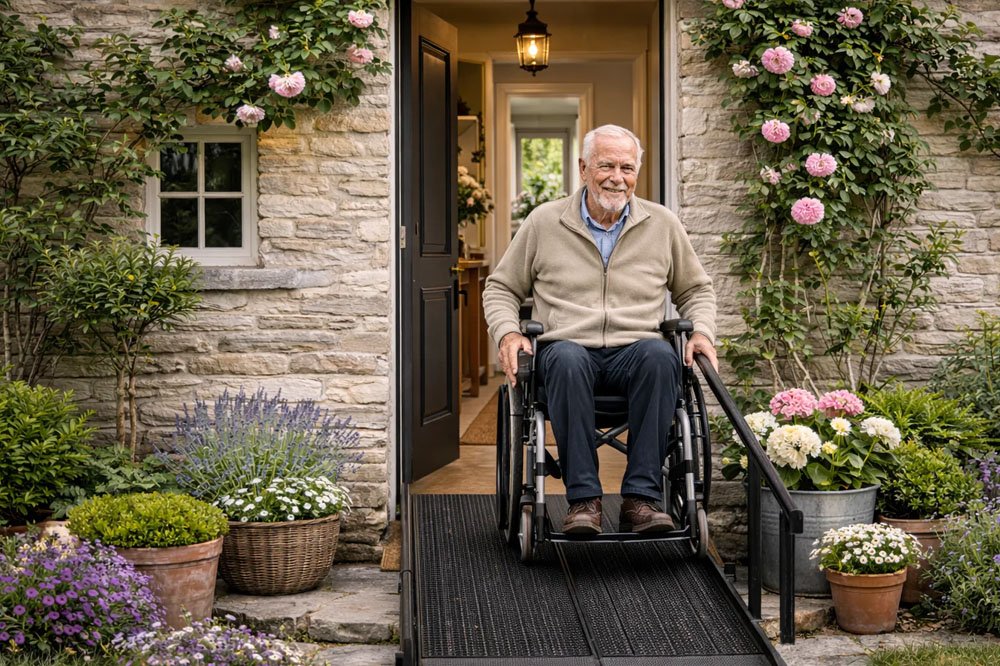
For many older people who may have arthritis, who may use a walker or even a walking stick, a ramp leading up to the home (or bridging steps inside) can be useful and prevent accidents.
External ramps are often made from concrete and are designed to be a permanent feature of the home. However, there are also moveable ramps, which slide under doors or steps, adding a temporary and lightweight option. You will need to assess the need and the permanence of each ramp to the individual’s requirements.
Remember, accessibility in the home is a need to help someone retain their independence.