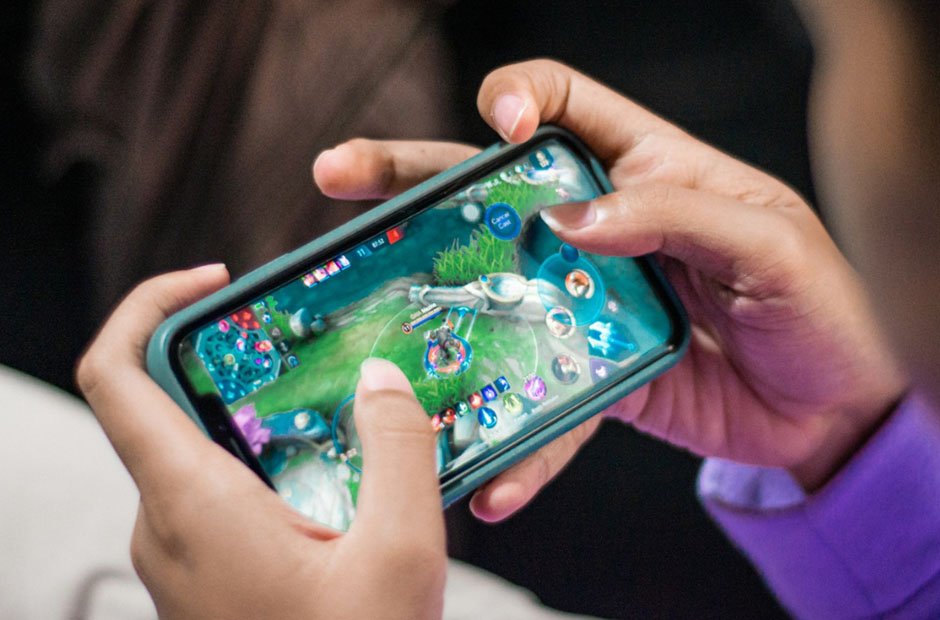
Mobile gaming has transformed the way people play, making gaming more accessible and social than ever before. Whether you’re sneaking in a round of a puzzle game during your commute or getting competitive with friends in an online multiplayer game, mobile gaming has become a staple in everyday life. It wasn’t always like this, though. Not so long ago, gaming was reserved for dedicated consoles and PCs, with mobile phones seen as devices for basic calls and texts. Today, gaming on the go has evolved into a multi-billion-pound industry, and it’s clear that this trend isn’t slowing down.
The early days: from simple games to smartphone launch
In the early days of mobile gaming, games were incredibly basic and often only served as a distraction. Think back to the likes of Snake on early Nokia phones. The appeal was simple – games you could play on your phone in between calls. However, this laid the foundation for what was to come. While mobile games started small, developers began to see the potential of reaching a broader audience. When the first smartphones launched, they brought more processing power and better displays, allowing for richer gaming experiences. What began as simple puzzles and platformers quickly expanded into more immersive titles. This evolution was reminiscent of the earlier days of arcade games, which also started with basic, easy-to-play concepts before becoming more intricate and engaging.
The smartphone boom and app-store revolution
The real turning point for mobile gaming came with the launch of the iPhone in 2007 and the subsequent creation of app stores. Suddenly, anyone with a smartphone could download hundreds of games directly to their device. This opened the floodgates for both indie developers and major companies. You could now play everything from puzzle games to high-budget action titles without ever needing a console or PC. The ease of access to thousands of games at your fingertips turned mobile gaming into a cultural phenomenon.
Changing business models: free-to-play, microtransactions and accessible gaming
One of the key reasons for mobile gaming’s success is the shift in business models. Gone are the days of needing to spend £30+ on a game. Now, most mobile games are free-to-play, which means anyone can download them and try them out without committing any money upfront. While some games do offer optional in-app purchases, these microtransactions are designed to enhance your experience rather than lock key features behind a paywall. This approach made gaming more accessible to people who wouldn’t normally consider buying a console or gaming PC. You could play for free, and if you enjoyed the game, you could choose to spend money on extra content, such as skins, power-ups, or premium features.
Cultural and social impact: gaming on the go, community and recent UK trends
Mobile gaming has also had a significant cultural and social impact. Playing games on the go has made gaming more communal. You no longer have to be at home to enjoy a gaming session with friends; mobile multiplayer games have enabled a more connected experience. You can team up with people across the globe, or simply chat with friends while you’re both racing through levels. In the UK, trends such as gaming during public transport commutes have grown popular, and certain online multiplayer games have generated massive followings. Even older forms of gaming, such as arcade games, have found a new life on mobile, offering nostalgia for long-time fans.
The mobile gaming industry continues to evolve, and it shows no signs of slowing down. As technology improves and business models adapt, we can expect even more innovation in the years to come. Whether you’re playing casually or diving into competitive play, mobile gaming has become a powerful force in entertainment.