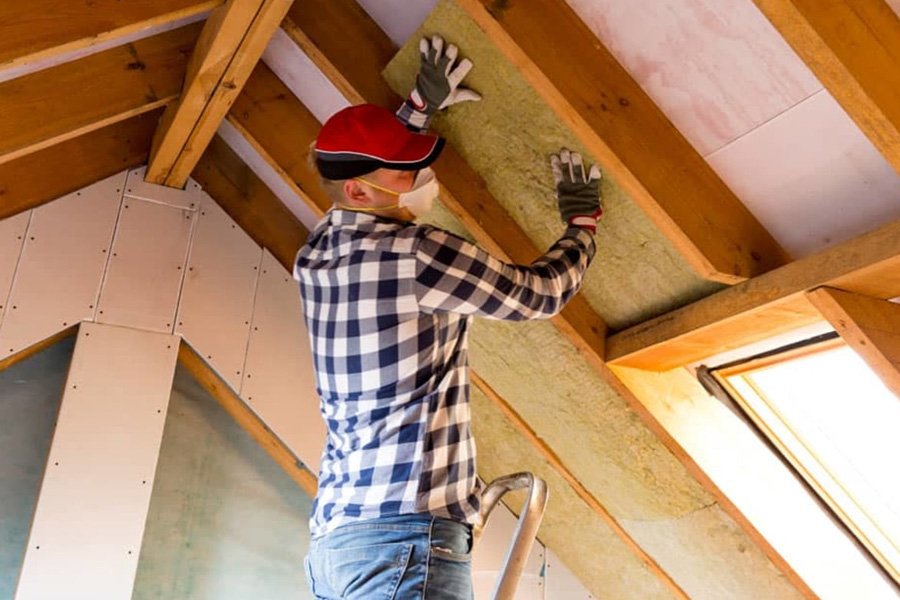
Saving energy is important for both your wallet and the environment. A well-insulated home or building can lower energy bills, improve comfort, and reduce your carbon footprint. But insulation alone isn’t enough.
How it’s installed and where it’s applied are just as important. Here are the top insulation and installation techniques that provide lasting energy savings. Read on.
Pick the Right Insulation Material
The first step is choosing the right type of insulation. Fiberglass batts are common and affordable, working well in standard walls. Spray foam insulation is stronger-it seals air gaps and offers a high R-value, which means better insulation.
Cellulose insulation is made from recycled materials and performs well while being eco-friendly. Each material has benefits, but the key is using the right one in the right place-walls, floors, or roofs.
Seal All Air Leaks
Even the best insulation will not work well if air leaks exist. Small gaps around doors, windows, and pipes let heated or cooled air escape. This reduces energy efficiency.
Use caulk, weather stripping, or expanding foam to seal these areas. Spray foam insulation is especially useful because it seals gaps while insulating. Air sealing ensures that your insulation can do its job properly.
Insulate the Attic and Roof
A lot of energy escapes through the roof. Proper attic insulation can make a big difference in energy savings. Loose-fill insulation, like cellulose or fiberglass, works well for irregular spaces.
Spray foam is great for tight corners. Radiant barriers can also help by reflecting heat away during hot weather. Make sure your attic has proper ventilation to prevent moisture buildup, which can damage insulation.
Insulate Walls and Floors
Walls and floors play a big role in energy efficiency. Exterior walls can lose heat if not properly insulated, and floors over unheated spaces can let cold air seep in.
Rigid foam boards or fiberglass batts work well in walls, while spray foam is excellent for sealing gaps around floor joists. Proper wall and floor insulation improves comfort and reduces heating and cooling costs significantly.
Use Professional Installation and Inspections
Even good insulation can fail if installed incorrectly. Professionals make sure insulation is applied evenly and not compressed. Spray foam must expand carefully to avoid stressing the structure.
After installation, inspections-sometimes with thermal imaging-can find spots where energy is still escaping. Proper installation ensures that your insulation works as intended. Hiring the right experts, such as top cellulose insulation installers, can greatly affect the finished project.
Maintain Your Insulation
Insulation is not something you can forget about. Over time, materials may settle, wear out, or get damaged by pests or moisture.
Regularly check attics, crawl spaces, and other areas to keep your insulation effective. Timely maintenance helps you save energy and avoid costly repairs.
Ready to Enhance Your Home’s Energy Efficiency?
Good insulation, paired with proper installation, is key to lasting energy savings. Choose the right materials, seal air leaks, insulate your attic, walls, and floors, hire professionals, and maintain your insulation regularly.
By following these steps, you can enjoy lower energy bills, a more comfortable home, and a smaller environmental footprint. Investing in high-quality insulation is more than just home improvement-it’s a smart financial move that pays off year after year.
If you want to read more articles, visit our blog.