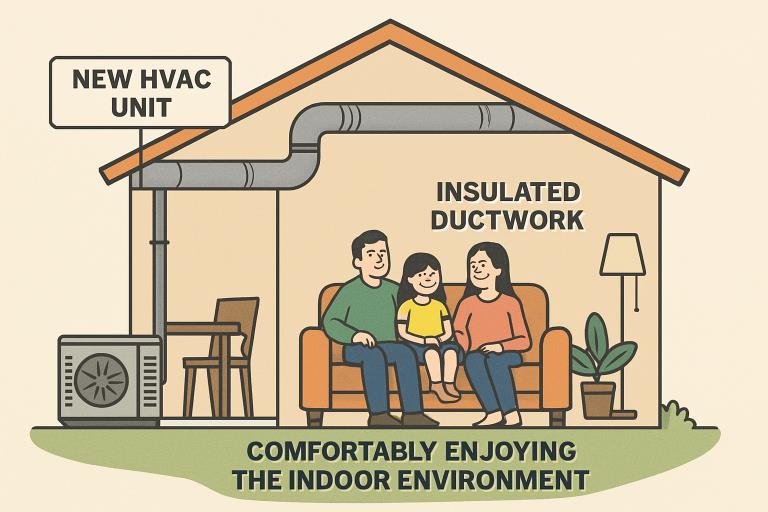
When upgrading or installing an HVAC system, carefully following best practices is crucial to maximizing return on investment and ensuring year-round comfort. A well-executed installation optimizes energy efficiency, maintains excellent indoor air quality, and reduces the risk of future repairs. Homeowners searching for new HVAC systems for sale in PA have a unique opportunity to improve their living environment and minimize operational costs.
Investing in a new HVAC system involves important decisions about installation, including proper sizing and quality ductwork, as well as smart technology upgrades. Adhering to industry standards and manufacturer guidance is crucial for maintaining performance and longevity. Engaging qualified contractors and actively participating in the planning process empowers homeowners to make informed choices. Understanding how HVAC decisions impact air quality and maintenance can enhance family comfort, well-being, and potentially lead to financial savings.
Proper Sizing of the HVAC System
Getting the size right is the foundation of an effective HVAC installation. An oversized unit can cause short cycling—frequently turning on and off—which wastes energy and strains components. An undersized system, on the other hand, may run continuously without delivering sufficient heating or cooling, degrading comfort and increasing utility expenses. HVAC specialists use a Manual J load calculation, which evaluates your home’s insulation, window orientation, square footage, and air leakage, to determine the ideal unit size. This calculation is essential to ensure both immediate comfort and the long-term performance of your system.
Ensuring Quality Ductwork
Ductwork is often overlooked, but it is vital to the efficiency and effectiveness of an HVAC system. Poor duct design or leaks can account for more than 20% of conditioned air loss, resulting in inconsistent temperatures and excessive energy consumption. Ducts should be adequately insulated and sealed, ensuring all airflow reaches intended rooms. During installation, technicians may recommend upgrades or repairs if existing ducts show signs of wear or if modern system requirements necessitate improved insulation or alternative layouts. Quality ductwork keeps noise levels down, distributes air evenly, and prevents contaminants from entering the airstream.
Selecting the Right Location
The physical placement of HVAC equipment greatly affects system performance. Outdoor units should be installed in a shaded, unobstructed area with adequate airflow to dissipate heat efficiently. Keeping vegetation trimmed and allowing sufficient clearance reduces the risk of debris entering the unit and prolongs the system’s life. Indoors, thermostats should be placed away from locations near windows or drafts, as direct sunlight or moving air can distort temperature readings and disrupt proper system cycling. Consult your installer to confirm the most effective locations for equipment and controls.
Adhering to Manufacturer Guidelines
Every HVAC manufacturer issues specific installation instructions to ensure their units perform safely and at peak efficiency. Deviating from these guidelines can void warranties, reduce system lifespan, or even introduce safety risks. Attention to detail, such as refrigerant charge, electrical setup, and mounting method, is crucial. If you’re unsure about any step, rely on installers who have proper certification and can demonstrate familiarity with your selected brand or model. Proper adherence also means maintaining a clear record of work completed, which can be crucial if warranty service is ever required.
Incorporating Smart Technology
Modern HVAC installations often feature integration with smart thermostats and home automation. These devices enable remote monitoring, automatic adjustments, and dynamic scheduling, substantially improving efficiency. Zoning technologies give you precise control over temperatures in different areas of your house, reducing energy use by only conditioning occupied rooms. Homeowners also benefit from automated reminders for maintenance, such as filter replacements, and receive alerts about operational issues before they become major repairs. For further reading on modern energy-saving technologies, consult Consumer Reports’ central air conditioning guide.
Planning for Regular Maintenance
Routine maintenance ensures your new HVAC system remains efficient, quiet, and reliable. Every system, regardless of type, requires periodic filter changes, coil inspections, and refrigerant level checks. Many contractors offer annual service plans that include inspections and tune-ups, helping to catch issues early and prevent costly outages during peak seasons. Keeping maintenance records also helps preserve the validity of manufacturer warranties and gives your HVAC professional a clearer understanding of your system’s operational history.
Compliance with Local Regulations
Your installation must comply with local building codes to ensure safety, energy efficiency, and environmental stewardship. Regulations can cover aspects such as equipment efficiency ratings, refrigerant management, and minimum insulation standards in ductwork and exterior walls. Permitting processes vary by region, but obtaining permits and scheduling final inspections are non-negotiable steps for a legally and safely installed system. Experienced HVAC contractors will handle paperwork and guide homeowners through compliance, helping to avoid fines or retroactive remediation.
Considering Indoor Air Quality
Today’s HVAC systems do much more than heat and cool: they’re essential to maintaining a healthy home environment. High-performance filters trap particles, dust, and allergens, while optional air purifiers and humidifiers tackle specific comfort and health concerns. Discuss additional indoor air quality options with your contractor, particularly if you have allergies or respiratory sensitivities. Monitoring and managing indoor humidity, for example, can reduce mold growth and make air easier to breathe, especially during periods of high outdoor pollen or pollution.
Adhering to these best practices not only streamlines installation but also sets you up for comfortable, efficient, and healthy living for years to come. Making informed decisions and working with quality professionals lays the foundation for one of your home’s most important investments.