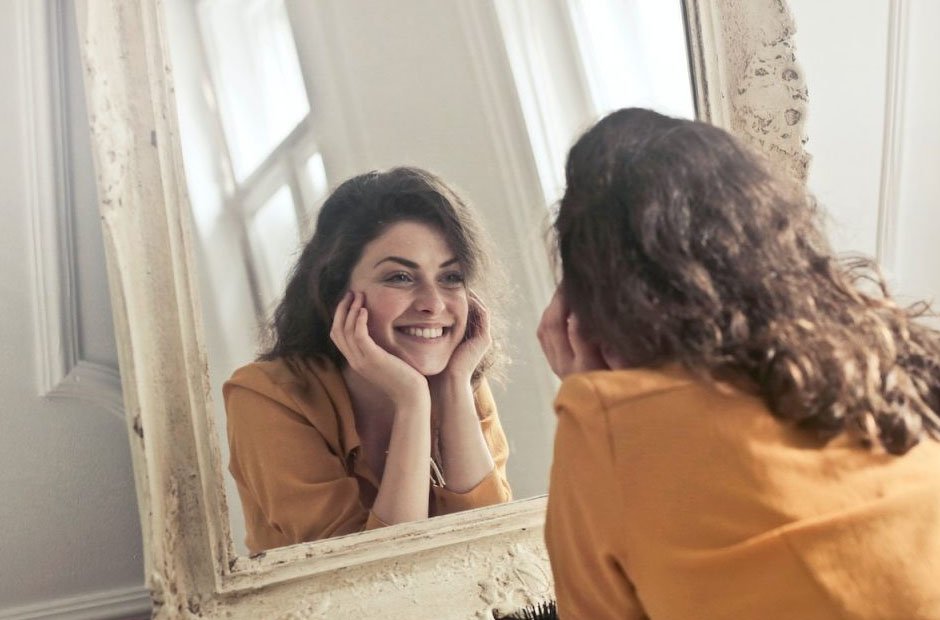
Self-expression is often talked about as a creative or emotional act, but at its core it begins with confidence. The way you dress, speak, move, and show up in the world is shaped long before any outward choice is made. Confidence acts as the foundation that allows self-expression to feel authentic rather than performative. When confidence is present, expression flows naturally. When it’s missing, even bold choices can feel uncertain.
Understanding how confidence shapes self-expression helps explain why personal growth often feels so visible. The lessons learned internally tend to show up externally, influencing how people present themselves and how they’re perceived by others.
Lesson 1: Confidence Gives Permission to Be Seen
One of the earliest lessons in self-expression is learning that it’s acceptable to be visible. Many people hold back not because they lack ideas, personality, or style, but because they fear judgment. Confidence quietly removes the need for approval. It creates permission to take up space without apology.
When confidence grows, people stop filtering themselves through imagined reactions. They speak more freely, choose clothing that reflects how they feel rather than how they think they should look, and make decisions rooted in self-trust. Self-expression becomes less about standing out and more about standing comfortably in one’s own identity.
Lesson 2: Self-Expression Evolves as Confidence Deepens
Confidence isn’t a fixed trait; it evolves through experience, self-reflection, and personal milestones. As it deepens, self-expression often changes too. What once felt daring becomes natural. What once felt necessary may no longer resonate.
This evolution is especially noticeable during life transitions such as parenthood, career changes, or periods of personal reinvention. People begin to reassess how they see themselves and how they want to be seen. For some, this includes aesthetic changes, lifestyle shifts, or reclaiming aspects of identity that were previously set aside.
In these moments, confidence supports expression that feels intentional rather than reactive. Choices become aligned with self-image instead of external pressure.
Lesson 3: Body Confidence Shapes Emotional Expression
The relationship between physical confidence and emotional expression is closely connected. When people feel at ease in their bodies, they’re often more open, expressive, and present. Body confidence influences posture, eye contact, and energy, all of which play a role in how self-expression is received.
For people seeking to restore confidence after significant physical changes, taking steps that support self-image can be part of a broader self-expression journey. Procedures such as a Chicago mommy makeover may be explored as a personal choice rooted in self-connection rather than comparison. When approached thoughtfully, these decisions can reinforce confidence and support a renewed sense of identity that aligns with how someone feels internally.
Lesson 4: Authentic Expression Builds Stronger Connections
Confidence-driven self-expression tends to attract genuine connections. When people express themselves without excessive self-doubt, interactions become clearer and more grounded. Others respond not just to what’s being expressed, but to the assurance behind it.
This doesn’t mean confidence requires being loud or extroverted. Quiet confidence is equally powerful. It shows up in calm decision-making, steady boundaries, and the ability to express preferences without defensiveness. Authentic expression creates space for honesty, both from oneself and from others.
Lesson 5: Confidence Turns Expression Into Ownership
Perhaps the most important lesson is that confidence transforms self-expression from experimentation into ownership. Instead of trying on identities to see what fits, confident people express who they already know themselves to be. They are less concerned with trends and more connected to meaning.
This sense of ownership allows self-expression to feel grounding rather than exhausting. It becomes a reflection of inner clarity, not a performance for validation.
In the end, self-expression doesn’t start with bold choices or visible changes; it starts with confidence. As confidence grows, expression becomes more natural, more aligned, and more empowering. When people trust themselves, their expression follows effortlessly, shaping how they move through the world and how the world responds in return.