Key Takeaways
- Intentional design elements can significantly enhance mental health and aid in recovery.
- Incorporating natural light, biophilic design, and decluttering are effective strategies.
- Personalized spaces that reflect individual preferences contribute to emotional well-being.
Thoughtful living space design extends well beyond aesthetics. The environment where we spend most of our time can deeply influence our overall health, mood, and ability to heal mentally and physically. A well-designed living space can create a sanctuary conducive to relaxation and revitalization, reinforcing recovery for those overcoming stress, trauma, or addiction. For example, individuals seeking rehab in Massachusetts find that carefully curated environments can make significant differences in their healing journeys.
Modern research consistently supports the idea that comfortable, intentional spaces promote self-care and increase motivation. By considering lighting, color, organization, and nature, anyone can develop an environment that nurtures well-being every day.
This process is about more than filling a room with furniture. Thoughtful design encourages the mind and body to reset by reducing external stressors, encouraging healthy habits, and helping people feel safer and more grounded at home. Families and individuals will benefit from investing time and thought into the spaces where recovery takes place.
A nurturing environment isn’t limited to clinical or therapeutic spaces. Homes transformed into supportive sanctuaries significantly impact the pace and quality of recovery, underscoring the relevance of intentional design.
The Impact of Natural Light
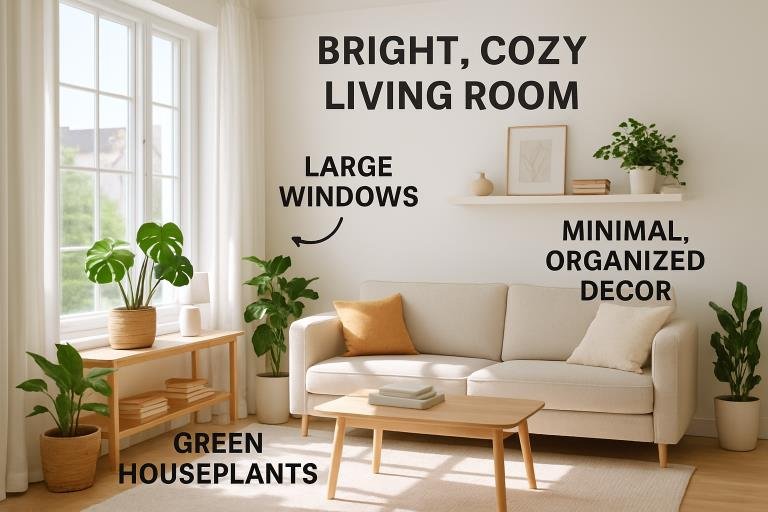
Natural light is one of the most effective and accessible ways to enhance mood and promote healing. Research demonstrates that access to sunlight improves sleep patterns, increases serotonin levels, and helps regulate the body’s circadian rhythm. By integrating features such as large windows, skylights, or glass doors, homeowners can invite more natural light into their spaces, creating a brighter, more uplifting environment.
Embracing Biophilic Design
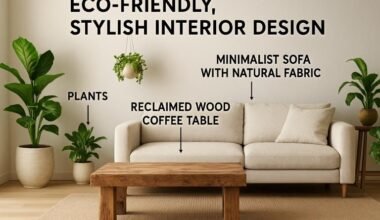
Biophilic design, or the incorporation of natural elements into indoor environments, has been shown to calm the mind and foster positive emotions. Houseplants, natural wood, stone accents, and water features are simple additions that can dramatically shift a space’s atmosphere. These elements not only beautify the area but also create subtle reminders of the larger natural world, making them especially beneficial for those who spend significant time indoors.
Surrounding ourselves with nature-inspired decor can foster a sense of balance, reduce anxiety, and enhance cognitive function. A biophilic approach can be as simple as adding a few potted plants or as involved as incorporating green walls and indoor gardens.
Decluttering for Mental Clarity
Cluttered environments can elevate stress, lower productivity, and contribute to a sense of overwhelm. Simplifying and organizing your living space provides immediate psychological benefits, promoting clarity and focus. Adequate storage solutions, regular tidying, and minimizing unnecessary items all help maintain a home that feels manageable and inviting.
When each possession has its place, and surfaces are clear, the overall atmosphere shifts. This serenity supports ongoing recovery by allowing space for peace of mind and fostering a supportive environment for mindfulness practices.
Personalizing Your Space
Personal touches in a home can have a profound effect on one’s emotional state. Surrounding yourself with colors, artwork, or meaningful belongings that resonate personally creates a sense of comfort and security. This ownership of your environment strengthens your connection to your space, making it easier to relax and recover.
Personalization can be as subtle as choosing a specific scent for your rooms or as bold as painting a mural that reflects your journey. The key lies in authenticity and actively shaping your surroundings to support your well-being.
Creating Designated Relaxation Areas
Setting aside areas for relaxation or mindfulness rituals helps establish routines that uphold mental and physical health. This could be a quiet reading nook, a meditation corner outfitted with calming elements, or a dedicated yoga space. These havens serve as reminders to take regular, intentional breaks and cultivate self-care habits that are critical to sustained recovery.
By protecting and prioritizing these areas within the household, all members can benefit from accessible moments of quiet reflection throughout the day.
Incorporating Soothing Colors and Textures
Color psychology is a powerful tool in guiding mood and supporting mental health. Soft hues like muted blues, warm earth tones, and pale greens tend to calm the mind, while gentle textures such as plush rugs, velvet pillows, and natural fibers invite comfort. Thoughtful selection of both color palette and tactile materials transforms an ordinary room into a welcoming retreat.
Strategically layering these elements reinforces positive emotional responses and helps craft a space uniquely suited for healing and peace of mind.
Enhancing Air Quality and Ventilation
Clean air is vital for both physical and psychological wellness. Poor indoor air quality can worsen conditions like asthma and allergies, negatively impacting mood and cognitive clarity. Ensuring proper ventilation by opening windows regularly or investing in air purifiers creates a fresher, healthier atmosphere. Indoor plants like snake plants and spider plants can further improve air quality while adding to a room’s natural charm.
Prioritizing airflow and fresh air ensures that every breath in your living space supports your ongoing wellness.
Conclusion
A thoughtful living space tailored to nurture mind and body offers real and lasting benefits. By emphasizing natural light, nature-inspired design, simplicity, personal touches, self-care spaces, calming aesthetics, and clean air, individuals can transform their environments into sanctuaries for recovery and growth. The true value of these design choices lies in their ability to restore hope, foster resilience, and create enduring foundations for lifelong well-being.