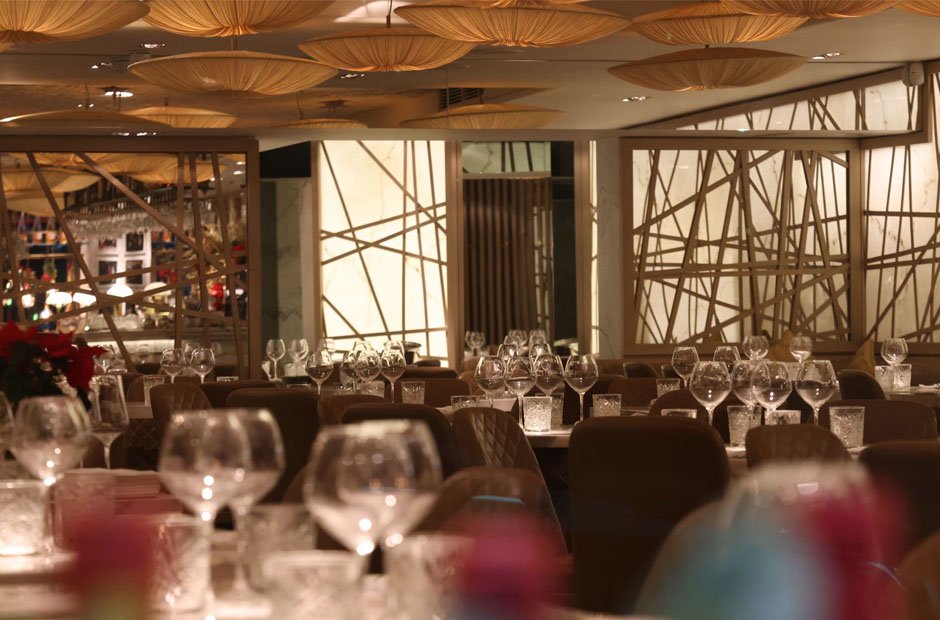
For independent hospitality operators in Australia, the private event sector presents a massive financial opportunity. Boutique hotels, regional wineries, and even large restaurants can generate significant income by opening their doors to private functions. However, transitioning from standard service to hosting large-scale celebrations requires careful planning. Owners must figure out how to scale their revenue and accommodate new clients without taking on crippling overhead costs.
Leverage B2B Rentals Instead of Buying Assets
One of the biggest mistakes a venue owner can make when expanding is purchasing every piece of equipment needed for a large gathering. Buying hundreds of chairs, banquet tables, and decor items requires enormous upfront capital. Furthermore, these assets depreciate quickly, require constant physical maintenance, and take up valuable on-site storage space. Design trends also shift rapidly, meaning the rustic timber tables you buy today might look outdated to prospective clients tomorrow.
Instead of buying physical assets, venues should lean heavily into the rental economy. By outsourcing logistics like wedding venue furniture hire, a hospitality business can offer bespoke, high-end experiences tailored to the specific theme of each event. This operational tactic keeps fixed costs incredibly low while allowing venues to remain flexible. You can handle everything from an intimate corporate dinner to a lavish weekend celebration simply by coordinating with the right external suppliers.
Adapt to Market Data and Consumer Budgets
Understanding the current economic climate is crucial for any business looking to expand its service offerings. Today, consumers are feeling the pinch of the rising cost of living, which directly impacts how they spend money on major milestones. According to a recent Easy Weddings report, the average cost of a wedding in Australia has reached $33,810. Because of these rising expenses, many budget-conscious couples are adjusting their plans and seeking out flexible options that deliver excellent value.
When a venue avoids hoarding expensive, depreciating inventory, it can pass those operational savings onto the client. Offering modular, customisable packages appeals directly to modern consumers. These clients want a premium experience, but they also need to stick to a realistic budget. Being able to scale the cost of an event up or down based on third-party rental agreements gives your venue a major competitive advantage.
Cultivate the Right Mindset for Expansion
Scaling a venue’s daily operations is not just about bringing in more bookings. It requires a dedicated focus on business strategy, staff training, and emotional intelligence. Finding smart, low-overhead revenue streams requires essential leadership skills and strategic thinking to stay ahead of market demands.
Owners must be highly adaptable to succeed in the hospitality space. A leader who can spot emerging trends, such as the shift towards non-traditional or boutique destination venues, will always have an edge. By fostering a forward-thinking culture among your management team, you ensure that the entire staff is prepared to pivot, negotiate effectively with external suppliers, and deliver flawless execution on the day of the event.
Actionable Tactics to Diversify Event Income
Once the operational foundation is set, venues can implement specific strategies to maximise their calendar. Relying on Saturday night bookings alone will leave a lot of potential revenue on the table. To truly scale your hospitality income, consider the following tactics:
- Target Corporate Clients: Mid-week bookings are historically slow for hospitality venues. Reach out to local businesses to host training workshops, end-of-financial-year parties, or team-building retreats.
- Create Tiered Event Packages: Offer different levels of service to capture a wider audience. A basic package might simply cover the space and catering, while a premium package could include full coordination and vendor management.
- Optimise Off-Peak Seasons: Winter months or early spring often see a dip in private gatherings. Introduce seasonal promotions, specialty menus, or indoor-specific themes to entice bookings during these quieter periods.
- Partner with Local Planners: Build relationships with professional event coordinators. When you establish your venue as an easy, flexible space to work with, planners will naturally recommend your location to their clients.
Expanding into the private event sector is a proven method for independent hospitality venues to boost their bottom line. The key is to grow strategically. By forming strong partnerships with external suppliers, paying close attention to consumer spending trends, and maintaining a high standard of leadership, venue owners can build a highly profitable calendar. Embracing flexibility allows your business to thrive in a competitive Australian market, ensuring long-term commercial success without the burden of unnecessary financial overheads.