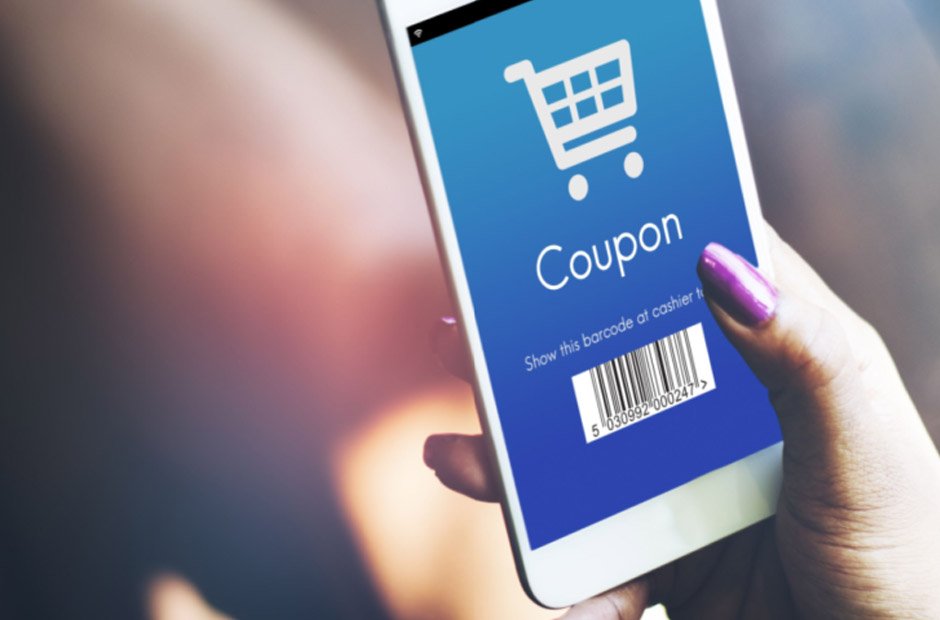
There was a time when saving money meant sitting at the kitchen table with a pair of scissors and a stack of newspaper inserts. Coupon binders were carefully organized, expiration dates were circled in red, and checkout lines sometimes included a small pile of paper slips. That system worked, but it required planning, storage space, and patience.
Today, most of that process lives inside a device that fits in your pocket. Smartphones have quietly absorbed the role that newspapers, mailers, and even store circulars once played. Instead of flipping through paper, shoppers scroll. Instead of clipping, they tap. Instead of carrying envelopes of discounts, they rely on digital wallets and loyalty apps. Even searches for savings often begin with lists of top cash back websites rather than stacks of printed coupons.
What makes this shift interesting is not just the technology. It is how smartphones have changed the behavior and expectations around saving money.
From Clipping to Clicking
Traditional couponing required effort before you even stepped into a store. You had to find the coupon, clip it, and remember to bring it with you. If you forgot it at home, the savings were gone.
Smartphones remove most of that friction. Coupons are stored digitally. Many grocery chains now offer in app coupons that apply automatically when you scan your loyalty account. Retailers send push notifications when discounts are available. The process is streamlined to the point that saving money feels less like a chore and more like a default feature.
This convenience has widened participation. According to research from the Pew Research Center on smartphone ownership, the vast majority of adults now own smartphones. That widespread access means digital savings tools are no longer niche. They are mainstream.
Savings That Follow You Everywhere
Paper coupons were tied to specific stores and specific trips. Smartphones, by contrast, make savings portable and immediate. Standing in a store aisle, you can quickly search for a promo code, check a price comparison app, or scan a barcode to see if the item is cheaper elsewhere.
This real time access changes how people shop. Instead of planning all discounts in advance, shoppers can make savings decisions on the spot. If an item feels overpriced, a quick search can confirm or challenge that impression.
The result is more informed buying. Smartphones act as pocket advisors, helping consumers avoid overpaying. That dynamic simply did not exist in the era of paper coupons.
Apps for Cash Back and Layered Savings
One of the biggest differences between old and new couponing is the concept of layered savings. Paper coupons usually offered a single discount. You either had one or you did not.
Mobile first tools allow stacking. You might use a store coupon, earn rewards points, and then receive a percentage back through apps for cash back. These platforms operate behind the scenes, tracking purchases and returning a portion of spending after the transaction is complete.
This layered system changes the psychology of saving. Instead of chasing individual deals, shoppers can build routines. Activating offers becomes part of the normal shopping flow. Over time, small percentages accumulate into noticeable returns.
Personalization Replaces Mass Distribution
Traditional coupon inserts were the same for everyone in a region. If you did not buy a particular brand, those discounts were irrelevant. Smartphones, however, enable targeted offers based on browsing history, purchase patterns, and even location.
Retailers analyze data to send promotions that match individual preferences. If you regularly buy athletic gear, you are more likely to see discounts related to sports apparel. If you shop for baby products, your app notifications may reflect that.
This personalization increases redemption rates and reduces wasted offers. It also makes saving feel more relevant. Rather than sifting through pages of unrelated deals, shoppers see options that align with their habits.
Digital Receipts and Automatic Tracking
Another quiet transformation involves record keeping. Paper couponers often tracked savings manually, tallying up totals after each trip. Smartphones automate much of that work.
Digital receipts, reward dashboards, and transaction histories allow users to see how much they have saved over time. This feedback loop reinforces the habit. When you can clearly see that you earned fifty or one hundred dollars back over several months, the motivation to continue grows stronger.
Financial literacy organizations such as the Consumer Financial Protection Bureau emphasize the importance of tracking spending and savings. Mobile tools make that tracking easier and more accurate than ever before.
The Decline of the Sunday Paper Ritual
As smartphones take over, the ritual of paper couponing has faded. Fewer households subscribe to print newspapers, and many brands allocate more of their marketing budget to digital promotions. It is not simply that consumers prefer apps. The entire ecosystem has shifted.
Manufacturers and retailers benefit from digital distribution because it provides measurable data. They can see how many people viewed an offer, activated it, and redeemed it. That level of insight was impossible with paper inserts.
This data driven environment encourages further investment in mobile tools. The more effective digital promotions become, the less incentive companies have to return to mass printed coupons.
Challenges and Tradeoffs
While smartphones offer clear advantages, the shift is not perfect. Digital savings often require account creation and data sharing. Not everyone is comfortable with that tradeoff. There are also concerns about privacy and targeted advertising.
In addition, some older shoppers may feel left behind if they are less comfortable with apps and online platforms. However, as smartphone adoption continues to rise across age groups, these gaps are gradually narrowing.
The broader trend is clear. Mobile devices are not just replacing paper coupons. They are redefining what couponing means.
A New Definition of Couponing
Today, couponing is less about clipping and more about optimizing. It involves activating digital offers, comparing prices instantly, and layering rewards across multiple platforms. The smartphone is the hub that connects all these pieces.
Instead of a physical binder, savings live in apps. Instead of waiting for Sunday inserts, promotions arrive through notifications. Instead of handing over a stack of paper at checkout, discounts apply automatically.
The shift from traditional couponing to mobile first savings tools reflects a larger change in consumer behavior. Saving money is no longer a separate activity that requires special preparation. It is woven into the everyday shopping experience through the device most people already carry.
Smartphones have not eliminated the desire to save. They have simply modernized it, turning what was once a manual process into a dynamic, data driven system that operates in real time.