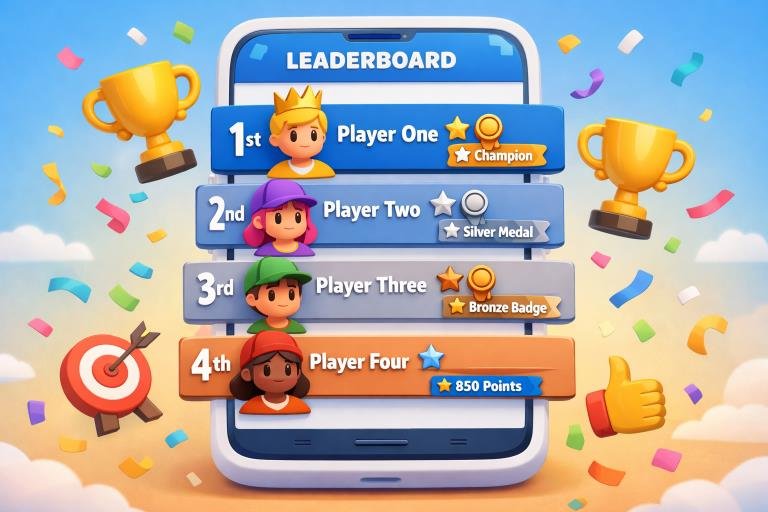
Leaderboards can transform a mobile experience by sparking competition and motivating users to keep returning. When thoughtfully executed, a leaderboard can drive both engagement and retention, becoming a core feature of the app’s ecosystem. For strong inspiration and a practical sense of trends, you can review a wide variety of leaderboard UI examples to see how top apps create user-focused competition. However, simply launching a leaderboard feature is not enough. To cultivate positive participation, the design must center on the needs and motivations of different users. Approaching leaderboard design from a user-centric perspective ensures leaderboards remain accessible and rewarding, rather than intimidating or discouraging to less competitive users. The following guide explores how to craft leaderboards that spur healthy competition, celebrate achievements, and contribute to meaningful mobile experiences. Through practical tips and proven strategies, this article will help you create leaderboards that resonate with a wide audience and foster community growth.
Understanding User Motivation
At the heart of every successful leaderboard is an understanding of what drives users. For many, competition is a thrill that inspires ongoing involvement. Some users thrive when they have the opportunity to outperform others and see their username climb public charts. Others, however, may be motivated less by direct competition and more by a desire for self-improvement, recognition for effort, or incremental progress. To meet the needs of both user types, leaderboard designers should balance direct challenges with inclusive recognition. For example, including features such as achievement badges, milestone personal bests, or improvement streaks allows more reserved users to participate meaningfully, even if they never reach the very top of the rank.
Structuring Leaderboards Effectively
Well-structured leaderboards provide context for every player and reduce barriers to participation. Multiple tiers or segments give users options to compete where they feel most comfortable. For instance, in addition to a global ranking, apps can offer leaderboards segmented by location, experience level, or social groups. Allowing users to see where they stand among friends, in their region, or within specific time frames (daily, weekly, monthly) helps provide a sense of attainable goals and frequent resets. This, in turn, sustains engagement and motivation.
- Multiple Tiers:Contextualize competition with leaderboards for friends, regions, or other groupings.
- Time-Based Rankings:Refresh competition regularly with daily, weekly, or monthly resets.
- Clear Criteria:Ensure ranking metrics are transparent and easy to understand, whether based on points, activity, or achievements.
Thoughtful segmentation allows every user to find their place, combating the demotivating effect of static leaderboards where only a few are ever visible at the top.
Real-Time Updates and Feedback
Feedback is most impactful when it is immediate. Real-time updates encourage users to repeat desired actions by showing their progress as it happens. Using technologies like WebSockets or real-time data services allows the app to push updates instantly, ensuring users always see their current standing or receive achievement notifications without delay. Instant feedback keeps the competition dynamic and helps nurture a sense of accomplishment. Notifications, animations, and sounds can further enhance real-time interactions, making every milestone feel exciting and meaningful.
Personalization and Relevance
Showing users their rank in context is a powerful way to keep leaderboards approachable. Personalized leaderboards can highlight the user’s current level, show how close they are to the next milestone, and display nearby competitors. Apart from boosting motivation, filtering leaderboards by various categories (for example, “friends only” or “new players in your city”) makes the competition more relatable and attainable. Giving users control over the leaderboard display, such as sorting by progress, time frame, or peer group, lets them engage with leaderboards in ways that best match their interests and abilities, leading to greater overall retention.
Ensuring Fair Play and Security
A leaderboard’s integrity is paramount. Without safeguards, cheating and data manipulation can quickly undermine trust in the system. To keep the experience fair for all, developers must implement the following practices:
- Data Validation:Regularly audit and verify user submissions and scores, including checks on the client and server sides.
- Anti-Cheat Mechanisms:Employ anomaly detection, behavioral analytics, and reporting features to identify and act against suspicious activity.
- Secure Data Transmission:Use modern encryption to protect user data, both during transmission and at rest, reducing the risk of tampering or interception.
Proactive security planning helps maintain long-term trust and encourages a healthy, competitive environment.
Technical Considerations for Scalability
As your app’s user base grows, the leaderboard feature must scale seamlessly to handle thousands, or even millions, of participants. Key technical strategies include:
- Efficient Database Design:Use read-optimized databases like Redis for rapid leaderboard lookups and updates.
- Load Balancing:Distribute queries across multiple servers or instances, preventing bottlenecks and preserving a fast user experience.
- Asynchronous Processing:Handle intensive calculations or background tasks outside the user session, ensuring the user interface remains fast and responsive during peak usage times.
Routine monitoring and performance testing can help catch issues early, ensuring your app’s leaderboard continues to function smoothly as its popularity grows.
Conclusion
User-centric leaderboards are a cornerstone for long-term app engagement. By deeply understanding user motivation, structuring leaderboards to be both competitive and accessible, providing real-time feedback, investing in personalization, ensuring fair play, and building for scalability, developers can turn a simple ranking system into a motivating, valuable feature. Well-designed leaderboards encourage users to celebrate achievements, foster healthy competition, and keep returning to your app, ultimately supporting broader product success.