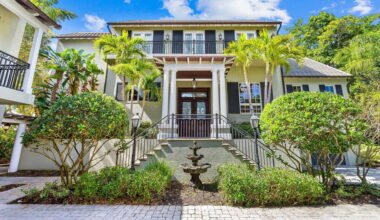
Insurance is meant to protect one of the most valuable things people own-their property. Whether it is a home, rental property, or commercial building, most owners believe their insurance policy will cover the full cost if something goes wrong.
However, this is often not the case. Many properties are under-insured, meaning the insurance coverage is lower than the actual cost needed to rebuild or repair the property after damage. This can create a serious financial problem when disasters such as fires, storms, or floods occur.
Understanding why properties become under-insured-and how to avoid it-is important for every property owner. Getting the value right is not just about numbers; it is about making sure your investment is properly protected. Read on.
What Is Property Underinsurance?
Property underinsurance happens when the amount of insurance coverage on a property is less than the cost required to rebuild it. For example, imagine a house would cost $400,000 to rebuild, but the insurance policy only covers $250,000. If the home is destroyed in a fire, the insurance payout may not be enough to rebuild the same house.
This means the owner may have to pay the remaining amount out of their own pocket. Many people assume their policy will cover all damages automatically, but insurance companies typically only pay up to the insured amount stated in the policy.
This is why choosing the correct insured value is so important. If the value is too low, the protection offered by the insurance policy may not be enough to restore the property to its original condition.
Why Underinsurance Is More Common Than People Think
Underinsurance is surprisingly common. Many homeowners and property investors do not realize their property is underinsured until they need to file a claim.
This usually happens for a few simple reasons:
Property values change over time. Construction costs increase. Renovations are not reported to insurers.
Insurance policies are not updated regularly. Owners underestimate rebuilding expenses.
Because these changes happen slowly, property owners often don’t notice that their coverage is no longer accurate. In many cases, people buy insurance when they first purchase a property and rarely review it afterward. Over time, this can create a gap between the insured value and the real cost of rebuilding.
The Big Mistake: Confusing Market Value with Rebuild Cost
One of the biggest causes of underinsurance is misunderstanding the difference between market value and rebuild cost. Market value is the price someone would pay to buy the property. This includes factors such as location, land value, and demand in the neighborhood.
Rebuild cost, however, is the amount needed to rebuild the structure if it were destroyed. This includes:
- Building materials
- Construction labor
- Debris removal
- Architectural and engineering services
- Building permits and inspections
- Meeting modern building regulations
These two numbers can be very different. For example, a home might sell for $600,000 because it is in a desirable neighborhood. But the actual cost to rebuild the house itself may only be $350,000.
Insurance should always be based on rebuild cost, not market value. Understanding this difference helps property owners choose a more accurate insurance amount.
Rising Construction Costs
Construction costs do not stay the same. Prices for building materials, labor, and equipment can change quickly.
In recent years, the cost of materials such as steel, timber, and concrete has increased in many parts of the world. Labor shortages in the construction industry can also make rebuilding more expensive.
If a property owner does not update their insurance policy regularly, the coverage amount may slowly become too low. For example, a house insured for $300,000 ten years ago may now cost $450,000 or more to rebuild because of inflation and higher construction costs.
Without updating the policy, the property becomes under-insured. This is why many experts recommend reviewing insurance policies regularly to make sure the coverage keeps up with changes in rebuilding costs.
Renovations That Change Property Value
Home improvements can also create underinsurance if they are not reported. Many property owners upgrade their homes over time by adding features such as:
- New kitchens or bathrooms
- Additional bedrooms
- Home offices or study spaces
- Outdoor living areas
- Garages or extensions
These improvements increase the cost to rebuild the property. However, if the insurance policy is not updated, the coverage remains based on the old value. As a result, the property may become under-insured without the owner realizing it.
The “Set and Forget” Problem
Many people buy insurance and then forget about it. Once the policy is in place, it may stay unchanged for many years. Unfortunately, property values, rebuilding costs, and personal belongings all change over time.
A policy that was accurate five or ten years ago may no longer reflect the true value of the property today. Experts recommend reviewing insurance coverage at least once every year to make sure the insured amount is still correct.
During this review, property owners should consider whether any changes have occurred that may affect the rebuilding cost of the property. Regular reviews help ensure that insurance coverage continues to provide adequate protection.
The Role of Inflation in Property Insurance
Inflation plays a major role in property insurance. As the cost of materials, labor, and transportation increases, the overall cost of rebuilding a property also increases. Even small annual increases can add up over time.
For example, if rebuilding costs increase by only 5 percent per year, the cost of rebuilding a property could increase significantly within a decade. If insurance coverage remains unchanged during this time, the property may gradually become under-insured.
Some insurance policies offer inflation protection, which automatically increases the insured value each year. This feature helps ensure that coverage remains closer to the actual rebuild cost. However, even with inflation protection, property owners should still review their policies regularly.
What Happens When a Property Is Under-Insured?
The real problem appears when a property owner files an insurance claim. If the property is under-insured, the insurance company may reduce the payout. In some cases, the insurer may only pay a percentage of the claim.
For example:
A property is insured for 50 percent of its real value. A claim is made for $100,000 in damage.
Instead of paying the full $100,000, the insurer may only pay $50,000. This rule exists because insurance premiums are based on the amount of coverage purchased. If a property is insured for less than its value, the premium paid may also be lower than it should be.
Unfortunately, this means the property owner must cover the remaining costs. In severe cases, this financial gap can delay rebuilding or force property owners to make compromises when repairing their homes.
Why Accurate Valuation Matters
Determining the correct insurance value requires careful consideration. Several factors affect how much it costs to rebuild a property.
These include:
- Size and design of the building
- Type of construction materials used
- Local labor and contractor costs
- Architectural details and special features
- Demolition and debris removal costs
- Professional services such as architects and engineers
- Updated building safety regulations
Because of these factors, calculating the correct rebuild cost is not always simple. However, taking the time to estimate the value accurately can prevent major financial problems in the future. Accurate valuation helps ensure that insurance coverage truly reflects the real cost of rebuilding the property.
The Benefits of Professional Property Valuation
Some property owners choose to work with professionals when estimating the rebuild cost of their property. Professional valuers, insurance brokers, and construction experts can provide more detailed assessments of rebuilding costs. They consider factors such as construction materials, property size, and regional building costs.
Using professional advice can help property owners avoid the risk of underinsurance. These experts may also recommend appropriate coverage levels and additional protection options that property owners may not have considered. Although professional valuation may involve an additional cost, it can provide greater confidence that the property is insured correctly.
How to Avoid Underinsurance
The good news is that underinsurance can usually be prevented with a few simple steps. Here are some of them:
Review Your Insurance Every Year
Regular policy reviews help ensure the insured amount keeps up with changes in property value and rebuilding costs. This yearly check helps you confirm that your coverage is still accurate.
Update Your Policy After Renovations
Any major improvements or structural changes should be reported to your insurer so the coverage can be adjusted. This ensures that new additions or upgrades are included in your insurance.
Use Rebuild Cost Calculators or Appraisals
Professional valuations or rebuild cost tools can provide a more accurate estimate of the amount of insurance needed. These tools help property owners understand the true cost of rebuilding.
Consider Inflation Protection
Some policies automatically increase coverage each year to keep up with rising costs. This helps prevent your coverage from falling behind over time.
Talk to Insurance Professionals
Insurance brokers or advisors can help ensure the coverage matches the property’s true value. Their advice can help you avoid common mistakes when choosing coverage. Check out the Florida HOA Insurance Appraisal Services for more information.
Know Your Property’s Value
Property insurance helps protect you if something bad happens to your property. But this protection only works if the insurance amount is enough to rebuild your property.
Checking your insurance regularly can help prevent this problem. When you review your policy and update the insured value, you make sure your property is still properly covered.
In simple terms, accuracy matters. When the insured amount matches the real cost to rebuild your property, you can feel more confident that your investment is protected.
If you want to read more articles, visit our blog.