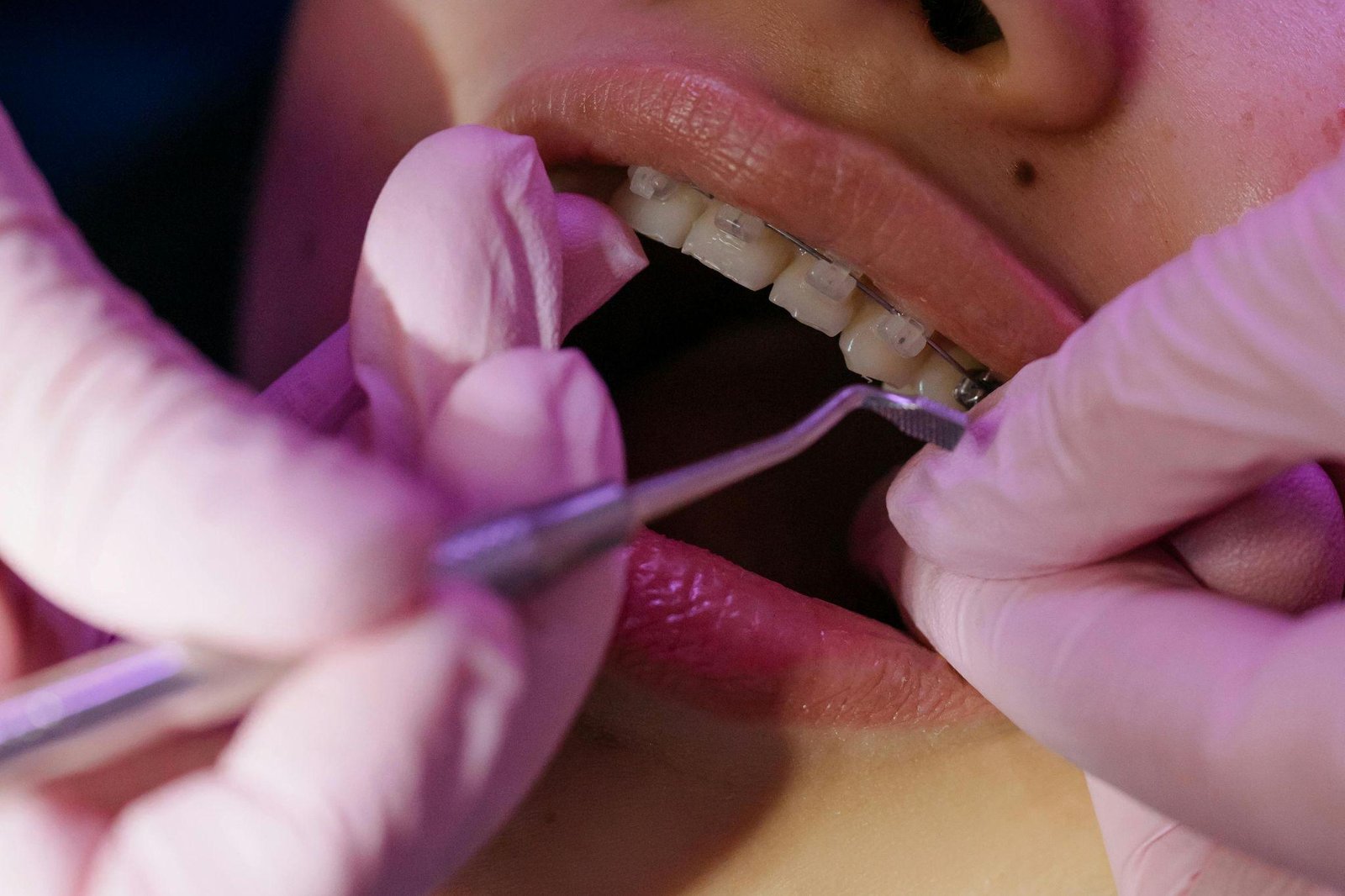
Getting braces feels like a big thing at the start. Even if it was planned for a while, there’s still that moment where it actually happens and it’s like… okay, this is real now.
There’s usually a mix of thoughts all at once. How much is this going to hurt? Is eating going to be weird? Will it feel uncomfortable all the time? It’s not just one worry, it’s a bunch of small ones stacked together.
Most of that stress, though, comes from not knowing yet. Once a few days pass and things settle a bit, it doesn’t feel as overwhelming as it did in the beginning. The routine starts forming on its own.
And honestly, it’s not big changes that make things easier. It’s small adjustments. Things that don’t seem like much at first but end up helping more than expected.
It Helps to Just Accept It’s a Slow Process
One thing that makes the whole experience harder is expecting quick results.
They don’t come quickly. Teeth move slowly, and there’s really no shortcut around that part. It’s gradual, sometimes so gradual that it feels like nothing is happening at all.
That’s usually where frustration starts.
So it helps to just accept that early on instead of constantly checking for changes and feeling disappointed. Progress is happening, just not in a way that’s obvious every day.
At some point, it becomes less about “when will this be done” and more about just sticking with it and letting it work.
Keeping the reason in mind helps too. Whether it’s fixing alignment, improving oral health, or just wanting to feel more confident later on — that part matters more in the long run than the temporary inconvenience.
A lot of people notice that once they stop overthinking every small change and just stay consistent with care, things naturally feel easier. That kind of steady approach is usually what leads to a recommended smooth orthodontic experience, even if it doesn’t feel perfect in the beginning.
Cleaning Your Teeth Feels Annoying at First (Then It Doesn’t)
Brushing and flossing definitely take more effort with braces. That part isn’t avoidable.
Food gets stuck more easily, especially around brackets and wires, and it’s noticeable. So brushing after meals becomes more important than before.
It doesn’t have to be perfect every single time. Just being a bit more consistent helps a lot.
Flossing feels like a whole process in the beginning. It’s slower, a bit awkward, and honestly kind of frustrating at first. But using the right tools makes a difference.
Those small interdental brushes or floss threaders make it less complicated, even if it still takes a little time.
After a while, it just becomes part of the routine. Not something enjoyable, but not something that feels like a big effort either.
Food Is Probably the Biggest Adjustment
This is where most people notice the change right away.
Certain foods just don’t work anymore, or they do, but not without causing some kind of issue. Hard foods, sticky things, anything that requires a lot of chewing — those are usually the ones to avoid.
So naturally, softer foods become the easier option, especially in the first few days after getting braces or after adjustments.
Things like pasta, rice, yogurt, eggs, soft fruits. Nothing fancy, just simple and easy to eat without discomfort.
It does take some getting used to. There will probably be moments where something is eaten and immediately regretted.
But over time, it becomes easier to know what works and what doesn’t.
The Soreness Comes and Goes
There’s usually some soreness at the beginning. Or after adjustments.
It’s not constant pain, more like pressure. A kind of dull discomfort that makes chewing feel a bit off for a couple of days.
The good part is it fades fairly quickly.
Cold drinks help, softer food helps, and just giving it time usually does most of the work. There’s not always a need to do anything complicated.
Orthodontic wax is one of those small things that helps more than expected. Especially when a wire or bracket starts rubbing against the inside of the mouth in an annoying way.
Most of these issues don’t last long. They just feel more noticeable in the beginning because everything is new.
Asking Questions Actually Helps
A lot of people just deal with things quietly instead of asking questions.
But asking helps more than expected.
Even simple things, like whether something feels normal or not, can make a difference. It removes that uncertainty.
Orthodontists are used to these questions. Nothing really surprises them, so there’s no need to hold back.
Clear answers make things easier to manage.
Being Slightly Prepared Makes a Difference
It doesn’t have to be anything overly organized.
Just small things.
Keeping a toothbrush, floss, or wax nearby when going out can help avoid uncomfortable situations later.
It’s not about being perfect. Just being a little prepared so things don’t feel harder than they need to be.
Progress Feels Slow… Until It Doesn’t
At first, it feels like nothing is changing.
Days go by, then weeks, and everything looks exactly the same. That’s usually when it starts to feel a bit frustrating.
Then at some point, something shifts.
Teeth start to look slightly different. Not dramatically, but enough to notice.
Some people take photos and compare over time. Others just notice it randomly one day without expecting it.
Those small changes help with motivation. They make it feel like everything being done is actually leading somewhere.
Comfort Matters More Than Expected
Comfort isn’t something to ignore during this process.
Small things help more than expected. Staying hydrated, using lip balm, adjusting anything that feels off instead of just tolerating it.
If something feels uncomfortable, fixing it early makes a difference.
It’s usually those small daily adjustments that prevent bigger issues later on.
At the start, braces feel like a big change. Everything feels different — eating, cleaning, even just being aware of them all the time. It can feel like a lot, especially in the first few days when nothing feels familiar yet.
But that fades.
It becomes routine. Not perfect, not completely effortless, but normal enough.
And most of the stress that’s there in the beginning… it doesn’t really stay.
It just takes a bit of time to get there.