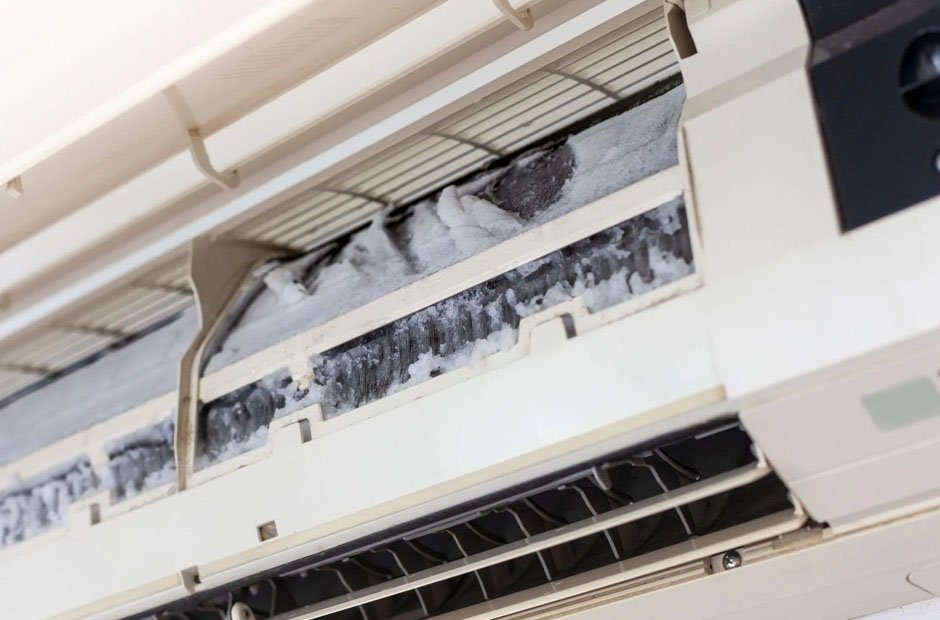
An air conditioner is supposed to keep your home cool and comfortable—but what happens when it starts freezing instead? If you’ve ever noticed ice building up on your unit, you’re not alone. Many homeowners face this issue, especially during peak summer months when systems are working overtime. Left unchecked, ice on an air conditioner can lead to reduced efficiency, higher energy bills, and even costly repairs.
Understanding why this happens—and how to stop it—can save both time and money while keeping your cooling system running smoothly.
Why Ice Forms on Your AC Unit
At first glance, it might seem strange that an appliance designed to cool air could freeze itself. However, the process is rooted in how air conditioners operate.
Your AC works by absorbing heat from indoor air and transferring it outside. When something disrupts this balance, the evaporator coil can become too cold, causing moisture in the air to freeze instead of evaporating. Over time, this ice builds up and further restricts airflow, creating a cycle that worsens the problem.
Common causes include restricted airflow, low refrigerant levels, or dirty components. Each of these factors interferes with the system’s ability to regulate temperature effectively.
Keep Airflow Consistent and Unrestricted
One of the most common triggers of freezing is poor airflow. When warm air cannot circulate properly over the evaporator coil, the temperature drops too low, leading to ice formation.
A simple but often overlooked solution is to check your air filters regularly. Dirty or clogged filters block airflow and force your system to work harder than necessary. Replacing or cleaning filters every one to three months can make a noticeable difference.
It’s also important to ensure that vents and registers are not blocked by furniture, curtains, or dust buildup. Even minor obstructions can disrupt airflow and contribute to freezing issues over time.
Maintain the Right Refrigerant Levels
Refrigerant plays a crucial role in absorbing and releasing heat. When levels are too low, the pressure inside the system drops, causing the evaporator coil to become excessively cold.
This is a more technical issue and typically requires professional attention. If you suspect a refrigerant leak or imbalance, it’s best to contact a qualified technician. Ignoring the problem can lead to long-term damage and reduced system lifespan.
Clean and Inspect Key Components
Over time, dirt and debris can accumulate on essential parts of your AC unit. The evaporator coil, condenser coil, and blower fan all need to remain clean to function efficiently.
A dirty coil cannot absorb heat properly, which can cause temperatures to drop below freezing. Regular maintenance, including seasonal inspections, helps prevent this buildup and ensures all components are working as intended.
Keeping the outdoor unit clear of leaves, dust, and obstructions is equally important. Good airflow around the external unit supports overall system performance and reduces the risk of freezing.
Recognize Early Warning Signs
Catching the issue early can prevent more serious damage. Signs of trouble often appear before visible ice forms.
You might notice reduced cooling performance, unusual noises, or water pooling around the unit. In some cases, airflow from vents may feel weaker than usual. Paying attention to these indicators allows you to act quickly before the problem escalates.
The Importance of Routine Maintenance
Preventing ice on an air conditioner is not about a single fix—it’s about consistent care. Regular servicing by a professional ensures that all components are inspected, cleaned, and adjusted as needed.
Annual maintenance checks can identify minor issues before they turn into costly repairs. This proactive approach not only prevents freezing but also improves energy efficiency and extends the life of your system.
Conclusion
Ice forming on your AC unit is more than just an inconvenience—it’s a sign that something isn’t working as it should. By maintaining proper airflow, keeping components clean, monitoring refrigerant levels, and using your thermostat wisely, you can prevent the conditions that lead to freezing.
A well-maintained system runs more efficiently, lasts longer, and keeps your home consistently comfortable. Taking a proactive approach today can help you avoid unexpected breakdowns tomorrow. When in doubt, professional support ensures your air conditioner remains reliable through every season.