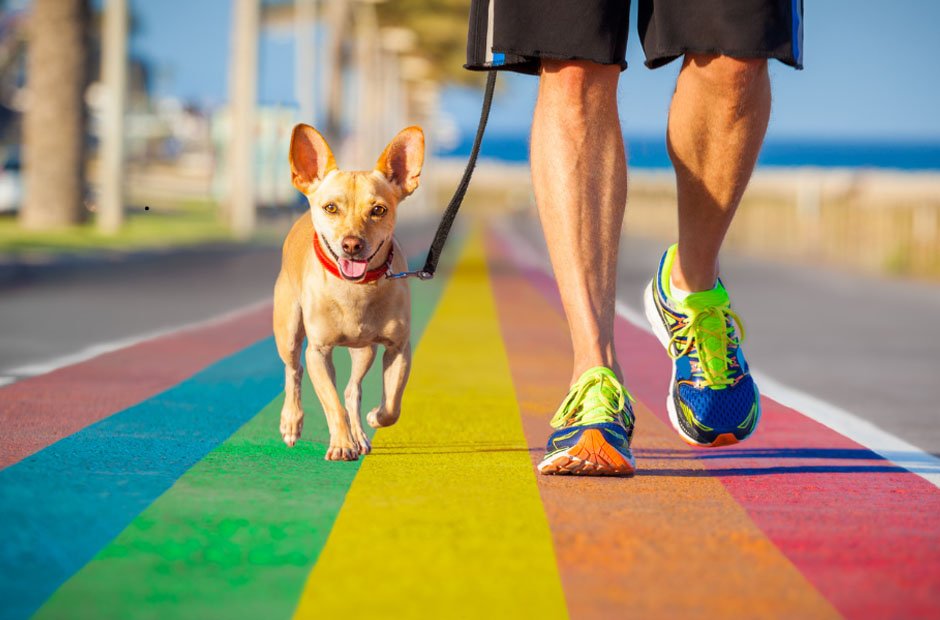
We all want that peaceful morning stroll with our dogs, enjoying the fresh air before the day begins. But if your dog lunges at squirrels or constantly pulls ahead, that relaxing walk quickly turns into a physically exhausting chore. You might find yourself gripping the leash so tightly that your hands ache, or bracing your shoulders just to stay upright.
This physical toll is a widespread problem that goes beyond simple annoyance. In fact, a Johns Hopkins University study revealed that dog-walking injuries quadrupled between 2001 and 2020. Researchers identified finger fractures, shoulder sprains, and even traumatic brain injuries as the most common results of a sudden pull.
With nearly 53% of U.S. households owning at least one dog, safe walking habits are a major public health interest. You don’t have to accept hand fatigue and joint pain as a normal part of pet ownership. Upgrading your walking gear and adjusting your posture can transform a painful daily chore into the relaxing bonding experience you actually want.
Why Your Daily Dog Walk Causes Physical Strain
If your hands and shoulders ache after a lap around the neighborhood, your leash is likely working against you. Many standard leashes are made from stiff, rigid nylon webbing that digs into your skin. When a dog pulls forward, you naturally tighten your grip, forcing your hand muscles to work overtime.
This death grip directly causes hand fatigue, cramping, and long-term joint pain. Even worse, if your dog suddenly lunges, that stiff material rips through your hands. This friction removes the top layer of skin, causing a painful leash burn that takes days to heal.
The mechanics of this strain travel right up your arm. A rigid grip locks your elbow and shoulder, meaning any sudden jolt transfers directly into your rotator cuff and upper back. The right leash material acts as a shock absorber, immediately solving these pain points by reducing the friction against your skin.
When your dog unexpectedly lunges or pulls, a rough leash can quickly cause painful friction and hand fatigue. Upgrading to comfortable, lightweight nylon dog leads that prevent leash burn can instantly reduce this discomfort while maintaining secure, ergonomic control. Soft, tightly braided materials sit gently in the palm, letting you maintain a secure grip without overworking your hand muscles.
How to Choose the Right Gear for a Comfortable Walk
Finding the right equipment means customizing your setup to match your body and your dog’s walking style. The length of your leash plays a massive role in your daily comfort. A four-foot leash is excellent for tall owners with large dogs, keeping the dog close in crowded urban areas without requiring you to awkwardly wrap excess material around your wrist.
Alternatively, a six-foot leash gives smaller dogs plenty of room to sniff while allowing you to walk upright without bending over. You also need to consider the thickness and weight of the material. A thick, heavy leash on a small dog drags them down, while a bulky clasp adds unnecessary weight to your own arm during long outings.
A lightweight setup reduces overall arm fatigue, letting you walk further without feeling tired. You should also look for tangle-free features at the connection points. Swivel clips at the base of the leash rotate as your dog moves, eliminating the frustration of awkward twisting and constant readjustments.
| Feature | Standard Clunky Leash | Ergonomic Custom Leash |
| Material | Stiff, flat webbing that causes friction. | Soft, braided material that protects hands. |
| Weight | Heavy hardware that drags and causes arm fatigue. | Lightweight design tailored to the dog’s size. |
| Hardware | Fixed clasps that twist and tangle the line. | Swivel clips that rotate freely for smooth movement. |
| Comfort | Requires a tight, fatiguing grip for control. | Sits naturally in the palm, reducing muscle strain. |
The Correct Posture for Injury-Free Dog Walking
Even with the best gear, how you hold your body determines how much force your joints absorb. Most dog owners subconsciously lean backward and lock their arms straight out when their dog pulls. This rigid posture turns your body into a lever, ensuring that every sudden jerk yanks painfully on your shoulder socket and lower back.
To walk ergonomically, you need to create a posture that naturally absorbs shock. Keep your shoulders relaxed and pulled slightly down, rather than hunched up by your ears. Keep a soft bend in your elbows, holding your hands close to your center of gravity near your waist.
When you keep your core slightly engaged, your abdominal muscles take the brunt of a sudden pull instead of your delicate shoulder tendons. This bent-arm, grounded posture gives you a massive mechanical advantage over a pulling dog. It also helps you stay balanced if your pet suddenly darts sideways.
Situational awareness is just as important as your physical stance. The Johns Hopkins data shows that trips and falls are a leading cause of traumatic brain injuries and fractures among dog walkers. Keep your eyes up, scan the environment for squirrels or other dogs, and anticipate your dog’s reactions before they happen.
Simple Behavioral Techniques to Stop the Pulling
Upgrading your gear and posture makes walking physically tolerable, but you must pair these changes with training to solve the root problem. Dogs pull because it usually works; they see something they want, they pull, and we step forward. To break this habit, you have to show them that leash tension means the walk completely stops.
The most effective method is a simple game of “red light, green light.” According to the American Kennel Club, you can stop dogs from pulling by planting your feet the second the leash gets tight. Allowing forward motion rewards the bad behavior, so you must refuse to take another step until the leash goes slack.
When your dog eventually turns around or steps back to relieve the tension, praise them and immediately start walking again. This requires immense patience at first, and you might only make it to the end of your driveway during the first few training sessions. However, dogs are incredibly smart, and they quickly learn that a loose leash is the only way to move forward.
You can also encourage loose-leash walking by rewarding your dog for choosing to walk by your side. Bring small, high-value treats and hand them out occasionally when your dog is walking nicely next to your leg. Over time, your dog will naturally default to this relaxed position, making your outings peaceful and entirely stress-free.
Conclusion
Walking your dog should be a painless, enjoyable part of your day, not an athletic event that leaves you icing your shoulder. By combining ergonomic gear with a grounded posture and consistent behavioral training, you can completely eliminate the daily physical strain. Swapping a rigid, painful strap for a soft, lightweight leash is the simplest way to instantly protect your hands and joints.
Once your hands are comfortable, you can focus on absorbing shock through relaxed elbows and teaching your dog that a loose leash is the key to moving forward. These small adjustments work together to keep you safe from the very real risks of trips, falls, and sprains.