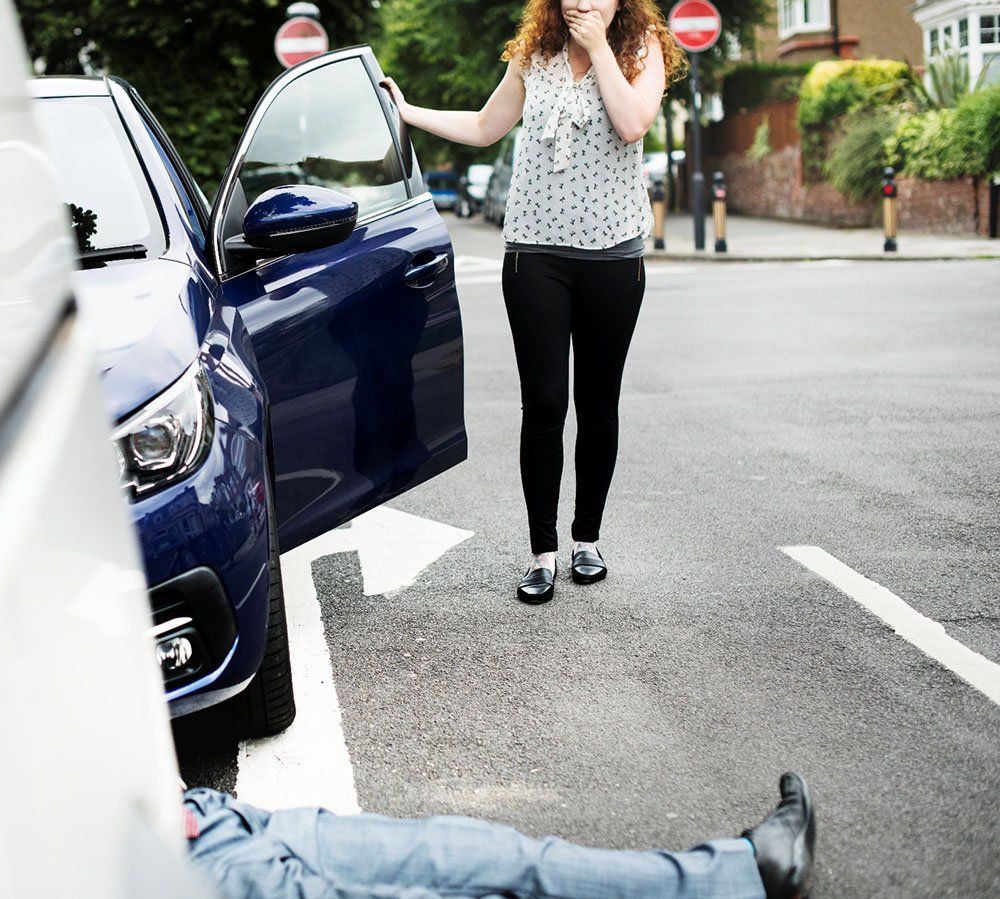
Pedestrians face the greatest risk in places where speed, visibility, and road design work against them, like multi-lane roads, busy commercial areas, and low-light environments. These locations see more serious crashes because drivers have less time to react and pedestrians have fewer safe crossing options.
San Antonio, Texas, has a rapidly growing population and heavy traffic flow. It features a mix of high-speed highways, suburban corridors, and dense urban zones. Like many major cities, it has identified pedestrian safety as a priority through infrastructure planning.
If you’ve been injured in one of these high-risk areas, a pedestrian accident attorney near San Antonio can help you understand how location affects fault and liability.
High-Speed, Multi-Lane Roads
Wide roads with fast-moving traffic are among the most dangerous places for pedestrians. These roads often have multiple lanes, higher speed limits, and fewer safe crossing points. Long distances between crosswalks push people to cross mid-block, increasing risk.
Crashes here tend to be severe due to impact speed. Under general negligence principles and rules like Uniform Vehicle Code (UVC) § 11-403, drivers are expected to exercise due care, including adjusting speed in areas where pedestrians are likely.
Busy Commercial Corridors
Retail strips, restaurant zones, and gas station clusters create constant interaction between cars and pedestrians. People move between parking lots, sidewalks, and storefronts, while drivers focus on turning, parking, or navigating traffic.
These areas often lack clear pedestrian infrastructure. Poor lighting, faded crosswalks, and complex traffic patterns increase the chance of accidents.
Courts sometimes examine whether businesses or municipalities contributed to unsafe conditions.
Intersections Without Clear Pedestrian Signals
Not all intersections are designed well. Missing crosswalk markings, unclear signals, or poorly timed lights can confuse both drivers and pedestrians.
Drivers turning left or right may overlook someone crossing, especially during busy traffic cycles. Under UVC § 11-401, drivers must yield to pedestrians in crosswalks, and failure to do so is often treated as clear negligence.
Nighttime and Low-Visibility Areas
Dim lighting, shadows, and reduced visibility make it harder for drivers to spot pedestrians in time.
Many nighttime accidents involve distraction, fatigue, or impairment. Legally, drivers are still expected to adapt to conditions by slowing down and staying alert. Failing to do so can strengthen a negligence claim.
Rural and Suburban Roads
In rural or suburban areas, sidewalks are often missing. Pedestrians may walk along narrow shoulders close to traffic, sometimes around curves with limited visibility.
Higher speeds and fewer safety features make these roads especially risky. In some cases, poor road design or lack of pedestrian infrastructure can raise questions about government responsibility.
Nightlife and Entertainment Districts
Areas with bars, clubs, and event venues see a mix of heavy foot traffic and late-night driving. Crowds, distractions, and impaired drivers create a volatile environment.
Alcohol-related crashes are more common here, and liability may involve both criminal and civil elements. Evidence of intoxication, speeding, or failure to yield often plays a major role in these cases.
Why Location Matters Legally
Where an accident happens can shape how fault is determined. High-risk areas often come with higher expectations for driver caution.
In Texas, comparative negligence rules allow compensation even if a pedestrian shares some fault, though the amount may be reduced. When duties prescribed under local laws are ignored, it strengthens the case for liability.
Final Takeaways
- Multi-lane, high-speed roads pose the greatest danger.
- Commercial areas increase risk due to mixed traffic and foot activity.
- Poorly designed intersections lead to confusion and collisions.
- Low-light conditions significantly reduce driver reaction time.
- Rural roads lack safe walking infrastructure.
- Nightlife zones combine crowds, distraction, and impairment.
- Location plays a key role in proving negligence and liability.