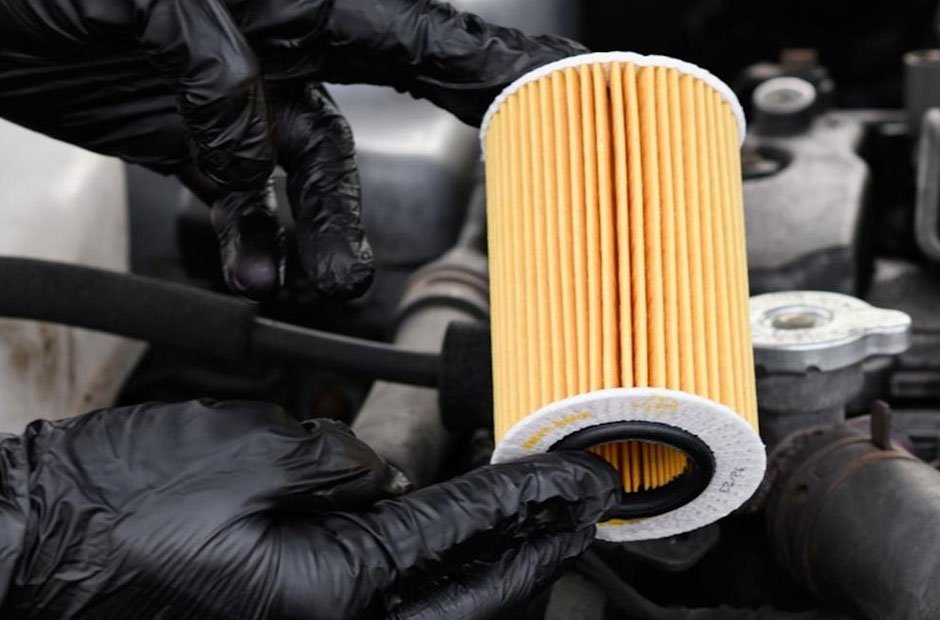
Choosing the right oil filter is not just a box-ticking exercise during servicing. Fitment has a direct effect on how well the filter seals, how oil flows through the engine, and whether the filter can do its job under normal operating pressure. Even when two filters look similar from the outside, small differences in dimensions, thread size, valve settings, or housing shape can create problems that affect reliability over time.
A Proper Match Protects the Engine
Fitment matters because an oil filter is built to work with a specific engine design, not just a general vehicle type. When people search for car oil filters for a wide range of vehicles, the real goal should be finding one that matches the exact engine requirements rather than simply picking a filter that appears close enough. A correct fit helps maintain proper oil circulation, keeps contaminants trapped, and supports steady lubrication where it is needed most.
An ill-fitting filter can create sealing issues, poor alignment, or the wrong internal pressure response. That means oil may not move through the system as intended, especially during cold starts or higher-load driving. Over time, that mismatch can increase engine wear instead of reducing it.
Seal Quality Depends on Correct Dimensions
One of the most important fitment factors is the seal between the filter and the engine mounting surface. If the gasket diameter is wrong or if the filter housing does not sit correctly, oil can leak once pressure builds. Even a minor leak can become a serious issue if it goes unnoticed, particularly on long drives or in hotter conditions.
Correct dimensions also affect how securely the filter threads on. A filter that cross-threads, bottoms out incorrectly, or does not tighten as designed may fail under pressure. In practical terms, proper fitment is what allows the filter to function as a sealed part of the lubrication system rather than just an accessory screwed into place.
Engine Layout Leaves Little Room for Error
In many vehicles, the oil filter sits in a tight engine bay near other components, heat sources, or shielding. A filter with the wrong length or diameter may interfere with surrounding parts or make installation awkward enough to damage the housing or seal. This is especially relevant in modern engines where packaging is tighter and access is already limited.
Fitment also matters during removal and replacement. A properly sized filter allows for a cleaner installation and reduces the risk of overtightening, damaged threads, or accidental contact with nearby parts. In short, correct fitment makes the job safer and the result more dependable.
Internal Valve Settings Also Need to Match
Oil filters are not only about the outer shell. Many include components such as a bypass valve and an anti-drainback valve, both of which are chosen to suit the engine’s oiling system. The bypass valve controls what happens if oil flow through the filter media becomes restricted, while the anti-drainback valve helps prevent oil from draining out of the filter when the engine is switched off.
If these settings are wrong for the application, the engine may not receive oil in the way the manufacturer intended. That can affect start-up lubrication, filtration efficiency, and pressure stability. So even if a filter screws on properly, it may still be the wrong fit internally.
The Wrong Filter Can Affect Oil Pressure
Oil pressure is closely tied to how freely oil can move through the filter and into the engine. A poorly matched filter may restrict flow, respond differently under load, or fail to maintain the pressure characteristics expected by the system. That does not always trigger an immediate failure, but it can contribute to poor lubrication performance over time.
This is why vehicle compatibility should never be treated as a rough guide. Engine code, production year, and specific variant can all matter. Two cars from the same model line may use different filter specifications, so accuracy matters more than assumptions.
Small Differences Can Lead to Bigger Costs
Oil filters are relatively inexpensive compared with the cost of engine repairs, which is why fitment should be taken seriously. Choosing the correct part helps avoid oil leaks, uneven wear, poor filtration, and the risk of using a filter that does not operate within the engine’s intended parameters.
When an oil filter fits properly, it becomes a quiet but important part of routine maintenance. That one detail supports cleaner oil flow, more stable operation, and better long-term engine protection. In that sense, fitment is not a minor specification. It is one of the main reasons the filter works at all.