Key Takeaways
- Recovery from SUDs is a personalized journey with multiple pathways to long-term wellness.
- Reducing substance use, even without achieving total abstinence, can significantly improve physical and mental health.
- Support systems such as peer networks and recovery housing are essential for sustainable recovery outcomes.
- Innovative care models and whole-health approaches continue to advance recovery success rates and quality of life.
Embarking on the journey toward recovery from substance use disorders (SUDs) can be a life-changing but challenging process. Recovery is an individual experience that requires a holistic approach, often involving personalized treatment plans, the support of others, and the adoption of new life skills for long-term success. Whether you are considering starting your own journey or supporting a loved one, understanding the various recovery pathways is crucial. For those seeking more intensive support, Inpatient Rehab in Nashville provides structured and round-the-clock care tailored to support safe detoxification and ongoing wellness. Modern recovery approaches recognize that everyone’s experience is unique. Some people thrive with traditional programs, while others may benefit from innovative, community-based solutions. Exploring different models ensures each person’s needs are met and makes recovery more accessible and sustainable for all. This article examines the most effective strategies and frameworks for achieving lasting recovery, emphasizing practical solutions, compassionate care, and the holistic well-being of each individual.
Multiple Pathways to Recovery
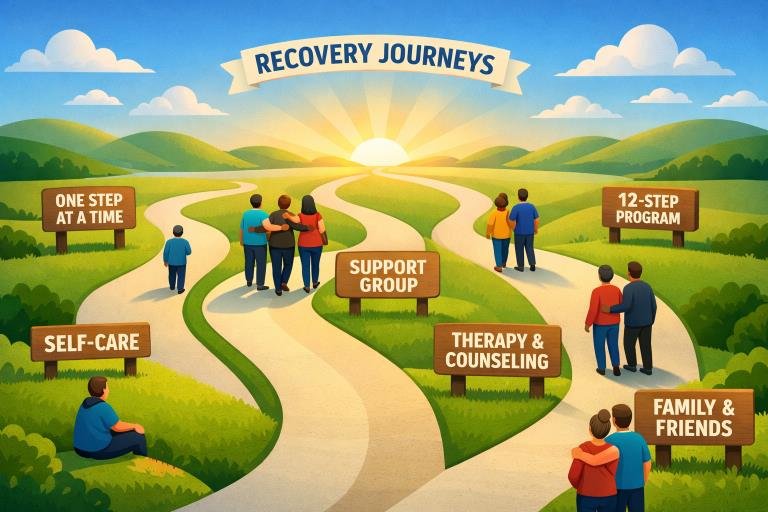
The recovery journey is not linear and is rarely the same for any two people. Individuals achieve success through a variety of channels, including mutual aid groups such as Alcoholics Anonymous or Narcotics Anonymous, recovery community organizations that offer peer-driven support, and comprehensive programs that include vocational training, housing, and legal support. These diverse models acknowledge the complex circumstances surrounding addiction, including socioeconomic status and mental health concerns. For many, integrating multiple pathways leads to sustainable success and improved overall health.
In addition to established models, emerging community resources such as recovery cafes and online support platforms have made help more accessible, especially for those who may be isolated due to geographical or personal limitations. The flexibility of online meetings, educational resources, and instant peer support has enabled individuals to engage in recovery on their own terms and at their own pace. These advancements empower individuals and promote a sense of autonomy within the recovery process.
Harm Reduction Strategies
Harm reduction refers to strategies that lessen the negative effects of drug or alcohol use, even if abstinence is not immediately achieved. Studies, such as those summarized by the Centers for Disease Control and Prevention, show that even incremental reductions in substance use can improve mental health, reduce cravings, lower the risk of overdose, and foster better social relationships. Harm reduction methods may include medication-assisted treatment (MAT), needle exchange programs, and overdose prevention education. By offering compassionate, realistic solutions, harm reduction opens doors to further treatment opportunities and empowers individuals to regain control of their lives.
Real-world evidence demonstrates that harm reduction does not undermine efforts toward abstinence, but instead, it often serves as a bridge to more comprehensive treatment. Individuals who participate in harm reduction programs report increased hope, lower stigma, and a renewed belief in the eventual possibility of full recovery. This approach also includes the distribution of naloxone, which helps to prevent deaths from opioid overdoses, and community outreach to connect vulnerable populations to healthcare and support services. By appreciating incremental progress, society creates a more inclusive environment for individuals navigating the complex landscape of addiction and recovery.
The Role of Support Systems
Support systems are foundational for sustainable recovery. Peer networks, such as mentorship and support groups, reduce isolation and enable individuals to share experiences, offer advice, and offer encouragement. Recovery housing offers safe, substance-free living environments while facilitating access to employment and family reconnection. Recovery housing can significantly decrease relapse rates and improve emotional health. However, consistent funding and accessibility remain notable challenges to maintaining these essential supports. Families and friends also play a vital role by providing ongoing support and understanding. Educational programs and family therapy sessions help loved ones learn effective ways to communicate, set boundaries, and encourage positive change. Furthermore, an increasing number of employers are embracing workplace recovery initiatives and offering support to employees with SUDs. These programs can reduce stigma, improve morale, and contribute to a healthier, more productive work environment, demonstrating that supportive networks can exist in many aspects of life.
Innovations in Recovery Care
The field of recovery has evolved to emphasize both compassion and individuality. Trauma-informed care recognizes the lasting impact of trauma and integrates safety, trust, and empowerment into every aspect of treatment. Many recovery programs are now built around integrated models that address not only substance use but also co-occurring mental health issues, ensuring a seamless continuum of support. Novel approaches such as telemedicine, outpatient step-down programs, and personalized treatment plans reflect an understanding of the complex and varied nature of addiction.
Another significant innovation is the growing focus on data-driven care. Many treatment providers now use digital tools to monitor symptoms and progress, allowing for real-time adjustments to care plans. This can include remote check-ins, app-based symptom tracking, and even virtual support groups. Such innovations ensure that treatment is responsive and can quickly address new challenges as they arise, further promoting positive, long-term outcomes in recovery. Research into genetic, social, and behavioral factors is also shaping future treatments and may soon help offer even more tailored, effective interventions.
The Whole-Health Approach
Recovery goes beyond treating substance use alone; it encompasses mental, physical, emotional, and spiritual well-being. A whole-health approach includes therapeutic interventions, wellness activities such as physical exercise and mindfulness, healthy nutrition, and skills that build resilience. Family involvement and community engagement further strengthen recovery by fostering a sense of belonging and positive relationships. Recognizing the importance of holistic support ensures that recovery is not just about stopping substance use, but about thriving in all areas of life.
Healthcare providers are increasingly working in multidisciplinary teams that bring together social workers, counselors, primary care doctors, and mental health professionals to design and implement comprehensive care plans. Additionally, recovery often involves rediscovering sources of joy or meaning, such as volunteering, engaging in creative arts, or building new hobbies. These activities can serve as positive outlets for stress relief and significantly contribute to a sense of self-worth and achievement. Ultimately, viewing recovery through a whole-health lens helps people create fulfilling lives and decreases the risk of relapse over the long term.
Conclusion
Recovery from substance use disorders is a multifaceted journey that is unique for everyone. By embracing harm reduction, investing in strong support systems, encouraging innovative treatment models, and prioritizing whole-person wellness, individuals can achieve lasting health and fulfillment. Communities, families, and professionals must continue to expand and adapt these resources to meet people where they are and support them in living empowered, substance-free lives. Sustainable recovery is best fostered through ongoing education, advocacy for accessible services, and the reduction of stigma at every level of society. As awareness grows and treatment options diversify, individuals and families are better equipped to seek help and remain engaged in their recovery journeys. With a compassionate, flexible, and steadfast approach, lasting change is within reach for all who are impacted by substance use disorders.