Many homeowners judge an air conditioner by one simple result: does the house feel cool? That makes sense, but it does not tell the whole story. An AC can still cool the home while its performance slowly changes under the strain of long daily run times. In hot climates, cooling systems often operate for hours at a stretch, day after day, month after month. That level of use changes the way the system behaves over time.
These changes do not always show up as sudden breakdowns. More often, they build gradually. The house may take longer to cool in the afternoon. Airflow may feel weaker in a few rooms. Evening comfort may feel less stable than it used to. The thermostat may need more adjustments than before. Homeowners often think the system is simply “getting older,” but long daily cooling cycles play a major role in that shift.
Understanding how extended run times affect an AC helps explain why some systems slowly lose comfort control, airflow balance, and cooling consistency even before major repairs become necessary.
Why Long Cooling Cycles Happen
A long cooling cycle means the air conditioner stays on for an extended period before reaching the thermostat setting. In very hot weather, this can be normal. The system has to remove a large amount of indoor heat while also fighting against outdoor heat pushing into the home.
Several factors can lead to longer daily cycles:
- High outdoor temperatures
- Strong afternoon sun exposure
- Heat gain through the attic or walls
- Poor insulation
- Air leaks around doors and windows
- Duct airflow problems
- Increased indoor heat from cooking, appliances, or occupancy
Some long cycles are expected, especially during peak summer conditions. The issue is what those long cycles do to the system over time. Even when the AC keeps running and still cools, daily heavy use slowly changes how the equipment performs.
The AC Works Harder Than Many Homeowners Realize
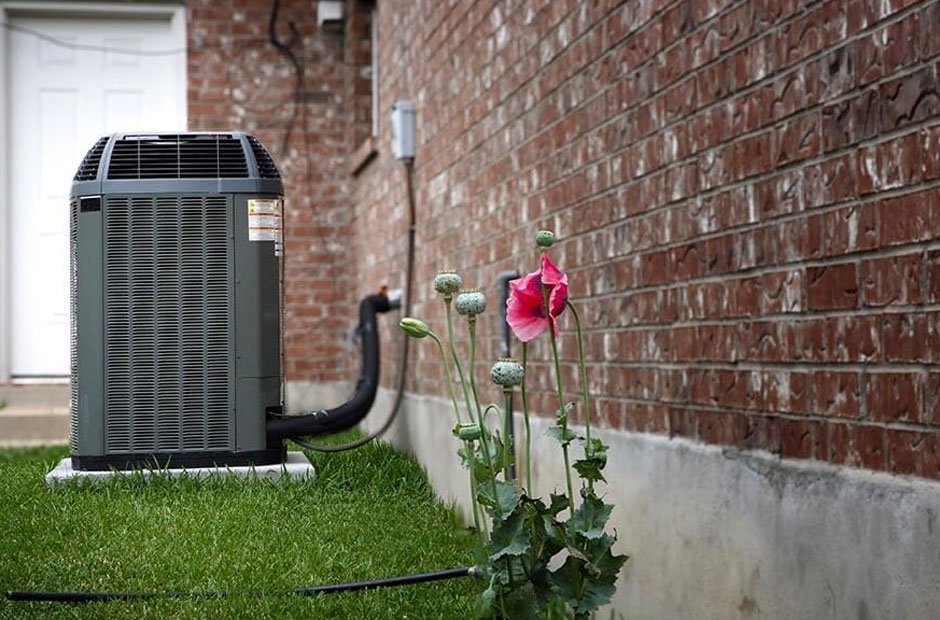
An air conditioner does more than blow cool air. It has to move indoor air through the return side, cool that air across the evaporator coil, circulate it through the supply ducts, and transfer heat outdoors through the condenser side. Each long cycle means every major part of the system stays active for a longer period.
That includes:
- The compressor
- The blower motor
- The condenser fan motor
- Electrical controls
- Refrigerant movement through the system
- Airflow across coils and ductwork
When daily cycles stay long for months at a time, all of these parts face repeated strain. That does not mean the system is failing right away. It means the wear pattern changes. The AC may still operate, but it may start doing so with less balance, less efficiency, and less responsiveness.
Long Cycles Change How Fast the Home Recovers
One of the first things homeowners often notice is a slower recovery. The AC still turns on and still cools, but the house no longer comes back to the set temperature as quickly as it used to.
This happens because long daily use gradually exposes and amplifies small performance losses. Dust buildup on coils, slight airflow restrictions, and minor electrical wear all become more noticeable under extended operation. The system begins needing more time to produce the same comfort result.
This can show up as:
- Hot afternoons that take longer to recover
- Bedrooms cooling later than expected
- Longer evening run times after sunset
- More noticeable temperature drift between rooms
The air conditioner may still reach the thermostat setting, but the path to getting there becomes less efficient and less stable.
Airflow Often Starts Changing Before Cooling Fails
Cooling performance and airflow are closely connected. Many people assume an AC problem means the air no longer feels cold. In reality, airflow often changes first.
When an air conditioner runs for long periods every day, airflow related issues tend to build gradually. Filters load up faster. Dust collects on blower components. Duct weaknesses become more noticeable. Return air design problems become harder to ignore. As airflow drops, the system has a harder time cooling the house evenly.
This often leads to comfort patterns like:
- Strong cooling in one area, but weak cooling in another
- Air from vents that feels lighter than before
- Rooms with doors closed are becoming harder to cool
- The thermostat area is cooling faster than the rest of the house
Long daily cycles do not automatically create these issues, but they reveal and intensify them over time.
Coil Buildup Matters More Under Heavy Use
Evaporator and condenser coils handle the heat exchange process that makes cooling possible. Clean coil surfaces allow the system to remove heat efficiently. Once dirt and debris collect, the system still runs, but it loses some of its ability to move heat effectively.
Under short or moderate run times, this loss may stay subtle for a while. Under long daily cycles, it becomes much more obvious. The AC has to stay on longer because heat transfer has become less efficient. That added run time leads to even more stress on the rest of the system.
Coil related performance loss often causes:
- Longer cycles during the hottest part of the day
- Slower indoor temperature drop
- More effort from the system with less comfort improvement
- Greater strain on the compressor and fan motors
This is one reason maintenance matters so much in homes where the AC runs for many hours each day.
Long Operation Affects Temperature Balance Across the Home
Not every room in a house gains heat at the same rate. Some rooms face a stronger sun. Some sit farther from the air handler. Some lose cooling faster because of insulation or duct conditions. Long daily cooling cycles make these differences easier to feel.
The system may keep running, but that does not mean the whole home cools evenly. In fact, the longer the AC runs under imperfect conditions, the more obvious room to room imbalance can become.
Homeowners may notice:
- One room feels comfortable, while another still feels warm
- Upper floors drift out of balance faster
- Some rooms hold cooling poorly even after long cycles
- Evening comfort varies more than it used to
Over time, this can create the impression that the AC has become weaker, even though the actual issue may be the combination of long daily use and uneven home conditions.
Daily Heat Exposure Can Shift How the System Behaves
An air conditioner that runs long hours every day begins operating in a predictable strain pattern. It may start strong in the morning, then lose some control later in the day as outdoor temperatures rise and the home stores more heat.
That daily pattern can lead to symptoms such as:
- Good cooling in the morning, but weaker comfort by afternoon
- More cycling or longer operation after the hottest hours
- Slower response to thermostat changes late in the day
- More noticeable cooling lag after sunset
These patterns do not always point to one broken part. They often reflect a system that is gradually losing performance under repeated heavy use.
Electrical Parts Feel the Strain Too
Long daily cooling cycles do not just affect airflow and temperature control. They also affect the electrical side of the system. The longer the unit runs, the more often electrical parts stay energized and the more heat they must handle.
Over time, this can contribute to wear in:
- Capacitors
- Contactors
- Wiring connections
- Control boards
- Motor related electrical parts
The system may still cool, but it may start less smoothly, respond less consistently, or behave less predictably. Homeowners may notice strange timing changes, delayed starts, or longer cooling cycles without an obvious cause.
Again, these are often gradual changes, not sudden failures.
Longer Run Times Can Create a False Sense of “Normal”
In very hot areas, homeowners sometimes get used to long run times and assume they are all normal. Some of them are. Still, a big difference exists between a system that runs long because the day is extreme and a system that runs long because its performance has declined.
The tricky part is that the second case often looks like the first one. That is why slow performance changes are easy to miss. The air conditioner still works, so it does not feel urgent. Meanwhile, comfort becomes less stable, parts wear down, and the system loses more of its original control.
What feels “normal for summer” may actually be a sign that the AC has changed under the stress of long daily operation.
Humidity Control Can Shift Along With Cooling Control
Even in dry climates, indoor humidity still affects comfort. A system that runs long under declining performance may not manage moisture and airflow the same way it once did. The house may feel cooler at the thermostat reading but less comfortable in reality.
This can show up as:
- Heavier indoor air
- Less crisp cooling feel
- Rooms that feel stuffy despite active cooling
- More discomfort, even when the AC seems to be doing its job
Long cycles combined with airflow or maintenance issues can make comfort feel less sharp and more uneven over time.
Maintenance Matters More in High Use Conditions
Homes with long daily AC run times need maintenance support more than most. High use does not always mean a problem exists, but it does mean small issues build faster and show up more clearly.
Routine inspection helps catch:
- Airflow restrictions
- Coil buildup
- Early electrical wear
- Thermostat response problems
- Refrigerant performance changes
- Drain issues and moisture related concerns
This matters because long daily cycles accelerate the effect of small performance losses. What might stay minor in a lightly used system can become noticeable much faster in a heavily used one.
Signs Long Daily Cycles Are Changing AC Performance
Homeowners should pay attention when they notice patterns such as:
- The home takes longer to cool than it used to
- Evening run times keep getting longer
- The thermostat needs more adjustments
- Certain rooms have become harder to control
- Airflow feels weaker in some areas
- The system still works, but comfort feels less stable
These signs do not always mean replacement is needed. They often mean the AC is being shaped by heavy daily use and needs professional evaluation.
The Goal Is Not Just Cooling, but Consistent Cooling
A healthy AC system does more than reduce temperature. It maintains a stable indoor environment with balanced airflow and predictable comfort. Long daily cooling cycles can gradually pull the system away from that level of performance, especially when maintenance issues, insulation gaps, or airflow limits are present.
That is why homeowners should pay attention not just to whether the system still runs, but to how it runs. The way an AC behaves over time often reveals far more than a simple on or off result. A system that once cooled smoothly may still cool, but with more strain, less balance, and more effort.
Long daily cycles do not ruin an air conditioner overnight. They change it gradually. Understanding that process helps homeowners recognize comfort shifts early and respond before those changes turn into larger problems.