As sustainability and efficiency grow in importance, homeowners and builders are seeking impactful ways to upgrade their properties. Windows and doors represent key opportunities for energy savings and improved comfort. The latest innovations can cut utility costs, boost interior comfort, and help you meet evolving energy codes. Before selecting new windows or planning an exterior door replacement, it is important to understand what advances make a real difference in performance and cost over time.
Modern builds and renovations often start with a focus on insulation and design, but choosing the right windows and doors is just as critical. Thanks to research and new materials, today’s products block heat transfer more effectively, reduce drafts, and offer superior durability. Upgrading these critical home elements not only saves money but also contributes to a healthier environment for future generations.
The U.S. Environmental Protection Agency’s ENERGY STAR® program has set the pace for innovation by providing clear efficiency benchmarks. Leading manufacturers are now producing advanced options designed to keep homes cooler in summer and warmer in winter. The choice of frame material, glass type, and professional installation all play vital roles in maximizing the efficiency of these products. Detailed knowledge about current technology empowers smarter homeowner decisions. Navigating the options and understanding which features deliver the most value sets the stage for long-term savings and comfort. Below is a guide to the most significant technological advancements and best practices in energy-efficient windows and doors.
Understanding Energy Efficiency in Windows and Doors
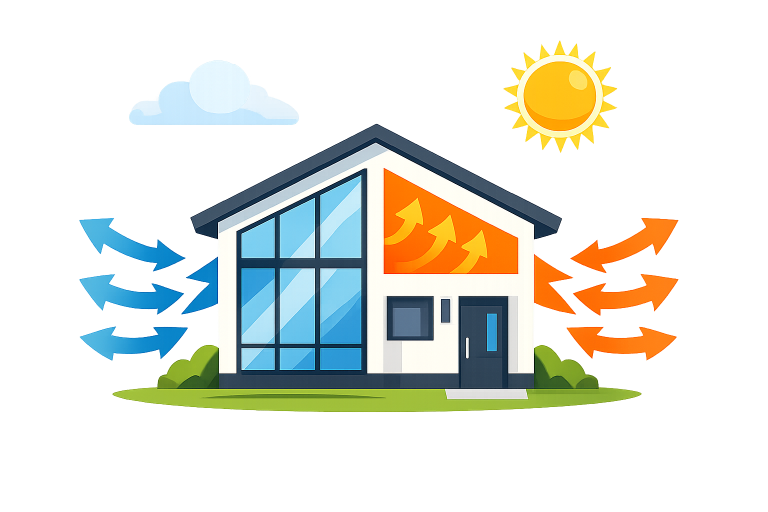
Energy efficiency depends on several key features, including advanced insulation, double- or triple-glazing, gas fills such as argon or krypton, and high-quality frame materials. Modern windows and doors are tested and rated for heat transfer (U-factor), solar heat gain, and air leakage. Products with low U-factors and tight seals help control both heated and cooled air year-round. The ENERGY STAR® label helps buyers quickly identify top performers.
Latest Technologies in Energy-Efficient Windows
Innovative materials and engineering have dramatically improved window performance in recent years:
- Vacuum Insulating Glass (VIG):By placing a vacuum between panes, VIG offers exceptional thermal barriers while keeping frames slim and modern. This prevents heat loss in winter and keeps interiors cooler in summer. Manufacturers like Kolbe Windows & Doors have introduced VIG upgrades to balance aesthetics and performance.
- Thin-Triple Glass:Thin-triple technology introduces a third, ultra-thin pane, boosting energy efficiency and helping dampen exterior noise. Brands such as Renewal by Andersen are integrating this approach to exceed new building codes and customer expectations.
Advancements in Energy-Efficient Doors
Entry doors receive less attention but are equally important for insulation and draft control:
- Aerogel-Insulated Glass:New aerogel materials, pioneered by AeroShield, allow remarkable insulating power while maintaining glass transparency and manageable weight. This breakthrough, now in entry door prototypes, is expected to reach consumers within a few years.
- High-Performance Frame Materials:Innovations in fiberglass and composite wood make doors that excel in resisting temperature swings, warping, and moisture damage, offering additional insulation beyond what wood or metal frames provide.
Benefits of Upgrading to Energy-Efficient Windows and Doors
- Lower Utility Bills:Superior insulation cuts down on heating in winter and cooling in summer, directly reducing monthly costs.
- Consistent Comfort:Modern windows and doors limit drafts and keep temperatures steady, creating a more enjoyable indoor environment regardless of season.
- Environmentally Responsible:Decreasing household energy usage lowers your carbon impact, helping global efforts to combat climate change.
Choosing the Right Products for Your Home
To make smart investments, factor in these priorities:
- Regional Climates:Windows tailored to your climate zone maximize efficiency. For example, colder climates benefit from low U-factor windows while hot regions should prioritize low solar heat gain coefficients.
- Trusted Certifications:Always look for ENERGY STAR and local certifications, which back up claims with real testing and results.
- Best Insulating Materials:Analyze frame and glazing combinations to balance aesthetics, durability, and insulation for your setting.
Installation and Maintenance Tips
- Hire Professionals:Precise installation ensures weather-tight seals. Even the most advanced windows can underperform if they are not properly fitted.
- Ongoing Care:Clean frames and glass regularly, check for wear or air leaks, and swiftly repair or replace damaged seals to preserve efficiency.
Cost Considerations and Available Incentives
While advanced products can have higher initial price tags, energy savings over time justify the expense. Homeowners should research current rebates and tax credits offered by local governments and utilities to promote upgrades.
Conclusion
Investing in the newest energy-efficient windows and doors offers immediate and lasting gains. Upgrades in both categories ensure lower utility costs, greater comfort, and stronger environmental stewardship. By staying up to date on technological advances and following best installation practices, homeowners enhance both their quality of life and the value of their property.