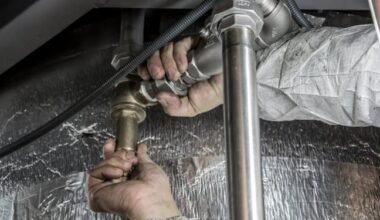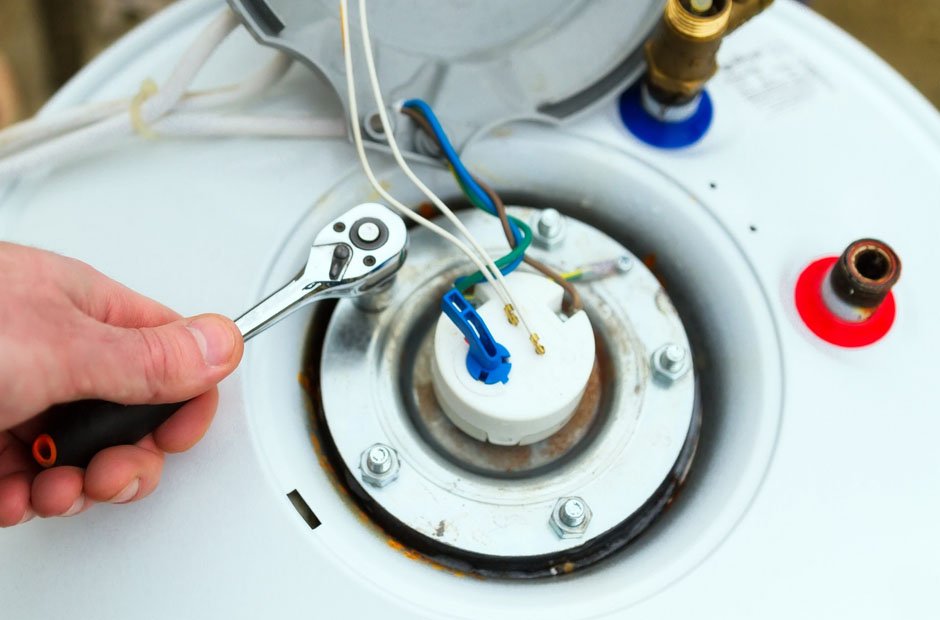
A reliable water heater is crucial for everyday comfort, as it provides hot water for showers, laundry, and various household chores. Even the best systems can experience issues over time, leading to unexpected cold showers or other inconveniences. Understanding typical water heater problems and knowing how to address them can save both time and money. For homeowners seeking help or professional troubleshooting, learning when to contact a specialist for water heater repair is also important.
Taking the time to diagnose water heater problems ensures safety and maintains water quality. Simple fixes, such as adjusting a thermostat or checking connections, may resolve minor concerns, while persistent issues might signal deeper faults. Knowing the common signs of trouble helps prevent larger breakdowns in the future and helps you address problems before they escalate.
Routine water heater maintenance and timely intervention can extend your unit’s lifespan and enhance energy efficiency. Homeowners who familiarize themselves with frequent issues typically enjoy consistent hot water and fewer surprises. Tackling a problem early is always better than waiting for a major failure, which could lead to costly repairs or replacements. Beyond basic troubleshooting, knowing which symptoms require professional attention is vital for your safety. DIY repairs are useful in some cases. Still, electrical and gas systems involve hazards that should never be taken lightly.
No Hot Water
If you suddenly find yourself without hot water, identifying the root cause is the first step. For electric heaters, a tripped circuit breaker or a malfunctioning heating element is often to blame. In gas water heaters, an extinguished pilot light or a faulty gas control valve may prevent the system from producing hot water. Always check your breaker panel and relight the pilot if necessary. If these steps do not resolve the issue, seek help from a certified professional to avoid further complications.
Inadequate Hot Water
Sometimes the water doesn’t seem quite hot enough, or you run out of hot water too quickly. Common causes include an incorrectly set thermostat, a faulty heating component, sediment accumulation, or a broken dip tube. Start with adjusting the thermostat before inspecting other components. Addressing sediment buildup with a tank flush or replacing broken parts can restore your system’s heating capacity.
Discolored or Rusty Water
If you notice brown or rusty water coming from your taps, corrosion inside the water heater tank or pipelines could be the culprit. Most electric and gas heaters use an anode rod to delay internal rust, but this part can wear out and lose effectiveness. Replacing the anode rod or installing a water softener may correct color and taste issues. Consult an expert if the problem originates from your home’s plumbing system rather than the heater itself. For additional guidance, consult American Home Shield’s resources.
Strange Noises
Loud rumbling, popping, or banging sounds from your water heater are often caused by sediment buildup at the bottom of the tank. This accumulation creates a barrier between the heating element and the water, leading to overheating and noise. Flushing the tank annually can prevent this, while recurring sounds could indicate a failing heating element that should be inspected and possibly replaced.
Water Leaks
Water pooling near or leaking from a water heater usually points to loose connections, a damaged pressure relief valve, or tank corrosion. Identifying whether the leak comes from the top or bottom helps to pinpoint the problem—top leaks often involve loose connections, while bottom leaks might suggest internal corrosion. Prompt attention can prevent water damage to your home’s structure and minimize costly repairs.
Foul Odors
A rotten-egg smell in your hot water typically means bacteria in the tank are reacting with the anode rod. Flushing the tank and replacing the existing rod with a zinc or aluminum-zinc alloy model can resolve the issue. Sometimes, treating your water supply is necessary to eliminate persistent odors.
Low Water Pressure
If water pressure drops when using hot water, scale or sediment buildup in your pipes or heater may be to blame. Regular tank flushing and inspection for plumbing obstructions can maintain adequate flow. For ongoing concerns or older homes with galvanized pipes, professional assistance may be necessary.
Water Temperature Too Hot
Water that feels scalding is often the result of a thermostat that is set too high. For safety and efficiency, ensure the thermostat never exceeds 120°F. If lowering the setting does not help, you may have a malfunctioning thermostat that needs to be replaced.
Pilot Light or Ignition Issues
With gas heaters, a pilot light that repeatedly extinguishes can indicate a failing thermocouple or a malfunctioning gas control valve. Cleaning or replacing the thermocouple is usually an effective solution for straightforward fixes, but a professional should evaluate persistent issues to ensure safety and compliance with gas codes.
Preventive Maintenance Tips
- Flush your tank once each year to remove accumulated sediment and maintain energy efficiency.
- Inspect and, if necessary, replace the anode rod every two years to prevent rust inside the tank.
- Test the temperature and pressure relief valve regularly to make sure it is working properly.
- Insulate your water heater and pipes to improve heat retention and reduce energy consumption.
- Schedule professional inspections at least once a year to identify minor issues before they become major repairs.
Being proactive about water heater care ensures a steady supply of hot water and helps avoid major breakdowns. Proper attention to warning signs and routine maintenance allows you to resolve most issues early, minimizing inconvenience and costly repairs in the future.
Conclusion
Understanding common water heater problems and addressing them early can help homeowners maintain reliable hot water, improve energy efficiency, and avoid costly repairs. Issues such as inconsistent temperatures, leaks, strange noises, discolored water, and ignition failures often begin as minor concerns but can quickly develop into larger system failures if ignored. Regular troubleshooting and routine maintenance are essential for extending your water heater’s lifespan and ensuring safe operation. By performing preventive tasks such as flushing the tank, inspecting the anode rod, monitoring thermostat settings, and scheduling professional inspections, homeowners can reduce the risk of unexpected breakdowns and maintain consistent year-round performance. While some minor problems can be resolved with simple adjustments, more complex electrical, gas, or plumbing issues should always be handled by qualified professionals to protect both your home and your safety.