Have you ever wondered why some roofs last decades while others fail early? Small maintenance habits often make the biggest difference because they stop water, heat, and debris from causing damage over time.
A roof that gets regular attention is less likely to develop leaks, loose shingles, mold, or costly structural problems. This article explains the simple maintenance habits that help extend roof life, lower repair costs, and protect your home through every season without major repairs or early replacement needs.
Clean Gutters Before Every Rainy Season
Regular gutter cleaning is one of the easiest ways to protect your roof from early damage. When gutters stay clear, rainwater moves away from the roof instead of soaking into vulnerable areas.
Remove Leaves and Sticks Early
Leaves, twigs, and seed pods collect quickly in gutters during the fall and spring. If they stay there, they trap water and create extra weight along the edge of the roof.
Standing water can work its way beneath shingles and gradually harm the roof deck. Removing debris at least twice each year helps stop these issues before they begin.
Look for Sagging Gutter Sections
Heavy debris and standing water can pull gutters away from the roofline. Sagging sections stop water from flowing in the right direction and may cause water to spill onto the roof or siding.
Inspect the gutter line after every major storm or at the start of each season. Tighten loose brackets and replace damaged sections before they create a bigger problem.
Install Gutter Guards for Less Maintenance
Gutter guards help limit how much debris gets into the gutter system. While they do not remove the need for cleaning entirely, they can make maintenance easier and needed less often.
Choose a guard that fits your roof type and local weather conditions. A simple upgrade can lower maintenance needs and help gutters work better year round.
Trim Tree Branches Hanging Over the Roof
Tree branches that hang over your roof can cause more damage than many homeowners expect. Trimming them back helps protect shingles, gutters, and the roof surface from constant wear.
Prevent Branches From Scraping Shingles
Branches that touch the roof move every time the wind blows. Over time, that repeated scraping can wear away shingle granules and shorten the life of the roof.
Even small branches can damage the surface if they stay in contact for months. Keep at least six to ten feet of space between tree limbs and the roofline.
Reduce the Risk of Falling Limbs
Dead or weak branches can fall without warning during storms or strong winds. A heavy branch can crack shingles, damage flashing, or even break through the roof deck.
Inspect nearby trees at the start of each season and after severe weather. Remove damaged limbs early so they do not become a larger problem later.
Stop Pests From Reaching the Roof
Tree limbs create an easy path for squirrels, raccoons, and other pests to reach your roof. Once they get close, they may damage shingles, vents, or attic spaces while looking for shelter.
Trim branches that reach near the roof or upper windows. Creating more distance makes it harder for animals to access your home.
Inspect Shingles for Cracks and Missing Pieces
Roof shingles are your home’s first layer of protection against rain, wind, and heat. Checking them often helps you catch small damage before it turns into leaks or larger repair costs.
Look for Cracked Shingle Surfaces
Cracks often appear after years of sun exposure or severe weather. Once a shingle cracks, water can slip underneath and reach the roof deck.
Walk around your home and look for shingles with visible splits or broken corners. Even a small crack can grow quickly after another storm or hot season.
Check for Missing Shingles After Storms
Strong wind can lift shingles and pull them completely off the roof. Missing pieces leave exposed spots where rain can soak into the underlayment and wood below.
Inspect your roof after every major storm, especially if you hear strong wind overnight. If you find an empty patch, repair it as soon as possible to prevent further damage.
Watch for Curling or Buckling
Shingles that curl at the edges or buckle in the middle are signs of aging or trapped moisture. These weak spots no longer seal the roof properly and can allow water inside.
Look closely at roof sections that get the most direct sun or hold moisture longer. Replacing curled shingles early can prevent larger sections from failing later.
Look for Granules Around the House
As shingles wear down, they begin to lose the protective granules on their surface. You may notice these granules in gutters, near downspouts, or along the driveway.
Granule loss makes shingles weaker and more likely to crack or leak. If you see large amounts of granules, the roof may need repairs or closer inspection.
Remove Moss and Algae Before They Spread
Moss and algae may seem harmless at first, but they can slowly weaken your roof. Removing them early helps prevent trapped moisture, stained shingles, and long term roof damage.
Identify Early Signs of Growth
Moss usually appears as green patches that grow between shingles. Algae often looks like dark streaks running down the roof, especially on shaded sections.
Check the north side of the roof and areas under trees because they stay damp longer. Finding growth early makes it easier to remove before it spreads.
Remove Moss With the Right Tools
Never scrape moss with a metal shovel or hard brush because it can damage shingles. Use a soft brush or a roof safe cleaning tool to loosen the moss gently.
Work from the top of the roof downward so you do not lift the shingles. Slow, careful cleaning removes the moss without causing extra damage.
Use a Roof Safe Cleaning Solution
A simple roof cleaner can kill moss and algae without harming the roof surface. Many homeowners use a mix made for roofs instead of harsh chemicals that may damage shingles or plants.
Spray the solution on the affected area and let it sit for the recommended time. Afterward, rinse lightly with water and allow the roof to dry completely.
Trim Shade to Prevent Future Growth
Moss and algae grow fastest in dark, damp areas that do not get much sunlight. Tree branches that hang over the roof create the perfect environment for growth.
Trim back nearby branches to allow more sunlight and airflow across the roof. A drier roof surface is much less likely to develop moss or algae again.
Schedule Professional Cleaning for Large Areas
If moss or algae covers a large section of the roof, it may be safer to call a professional. Large growth areas can make the roof slippery and increase the chance of damage during cleaning.
A roofing professional has the right tools and products to clean the roof safely. Professional cleaning can also help identify any hidden damage under the growth.
Check Flashing Around Vents and Chimneys
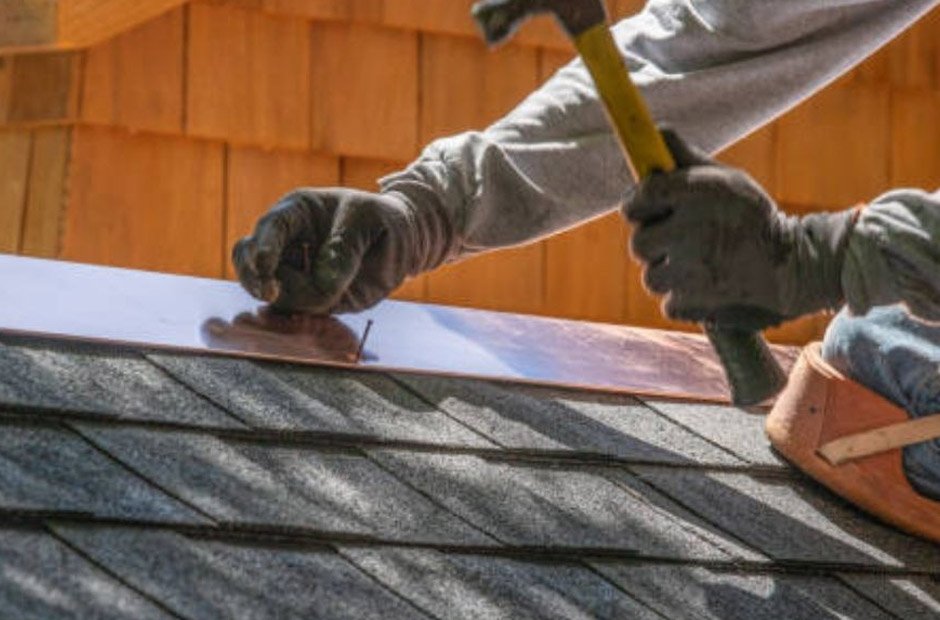
Flashing around vents and chimneys helps keep water from slipping into the roof. When flashing becomes loose or damaged, even a small gap can lead to leaks and wood rot.
Look for Rust or Corrosion
Metal flashing can begin to rust after years of rain and sun exposure. Rust weakens the metal and creates small holes where water can pass through.
Inspect flashing around chimneys, vent pipes, and skylights at least twice a year. Replace any sections that show heavy rust before they begin to fail.
Check for Loose Flashing Edges
Flashing should sit flat against the roof and stay firmly attached. If the edges begin to lift, wind and water can work their way underneath.
Look closely around vents and chimney bases for any gaps or lifted corners. Secure loose flashing right away to keep moisture out of the roof structure.
Inspect Caulk Around Roof Openings
Many flashing systems use roofing caulk to seal small gaps around vents and chimneys. Over time, that caulk can crack, dry out, or pull away from the surface.
Examine the sealant for breaks, holes, or missing sections. Replacing old caulk helps keep water from entering through weak spots.
Watch for Water Stains Nearby
Water stains inside the attic or on ceilings near a chimney often point to flashing problems. Stains may appear small at first, but they usually grow if the leak continues.
Check the attic after heavy rain and look around roof openings for damp wood or dark marks. Early signs of moisture can help you find flashing damage before it spreads.
Know When to Call a Roof Repair Company
Roof problems do not always need a full replacement, but some issues should never wait. Knowing when to call a professional can help you stop damage before it spreads through the rest of the home.
Call After a Major Storm
High winds, hail, and heavy rain can damage a roof even if the problem is not easy to see. Missing shingles, dented flashing, and hidden leaks often appear after severe weather.
Walk around your home after a storm and look for debris, fallen branches, or damaged shingles. If you notice any signs of damage, call a roof repair company right away for an inspection.
Get Help When You See Interior Leaks
Water stains on ceilings or walls often mean the roof is already letting water inside. Even a small stain can point to a larger issue above the attic or roof deck.
Do not wait for the leak to get worse before calling for help. A roofing professional can find the source and repair it before the water causes mold or wood damage.
Contact a Professional for Repeated Repairs
If you keep fixing the same roof problem again and again, there may be a deeper issue underneath. Replacing a few shingles will not help if the roof deck or flashing is damaged.
A roof repair company can inspect the full roof system and identify the real cause. This saves time and money because you avoid making the same repair over and over.
Call When the Roof Starts Sagging
A sagging roof is one of the clearest signs that you need professional help. It can mean there is trapped moisture, rotting wood, or damage to the structure below the shingles.
Never try to fix a sagging section on your own because it can become dangerous. Call a roof repair company in Columbia as soon as you notice uneven or dipping areas.
Schedule an Inspection Before Selling Your Home
Many buyers want proof that the roof is in good condition before they purchase a house. A professional inspection can show whether repairs are needed before the home goes on the market.
Fixing roof problems early can help prevent delays during the sale process. It can also make the home more appealing and protect your asking price.
Build a Simple Roof Maintenance Routine
A simple roof maintenance routine makes it easier to spot problems before they become expensive repairs. When you follow the same steps each season, your roof stays in better condition year after year.
Create a Seasonal Checklist
Write down the roof tasks you want to complete each spring and fall. Include gutter cleaning, shingle checks, flashing inspections, and tree trimming so nothing gets missed.
Keep a Record of Repairs
Save notes, photos, and receipts every time you repair or inspect the roof. A clear record helps you track recurring problems and makes it easier to explain issues to a roofing professional.
Set Reminders for Annual Inspections
Choose a month each year to schedule a professional roof inspection. Setting a reminder on your phone or calendar helps you stay consistent and avoid forgetting.
Act Quickly When You Notice Damage
Do not wait weeks or months to fix a leak, loose shingle, or damaged flashing. Small repairs are usually faster and less expensive when you handle them right away.
Small Habits Save Roofs
Good roof care does not take much time, but it can prevent major damage. Cleaning, inspections, and quick repairs help your roof stay strong through every season.
When you stay ahead of small problems, you avoid bigger bills and longer repairs. A simple routine today can add several extra years to the life of your roof for your home.
If you want to keep your roof in good shape for years, start building these habits into your regular home maintenance plan.