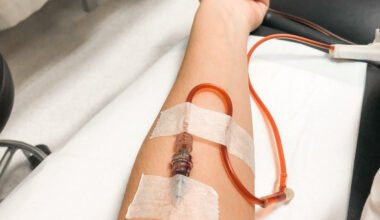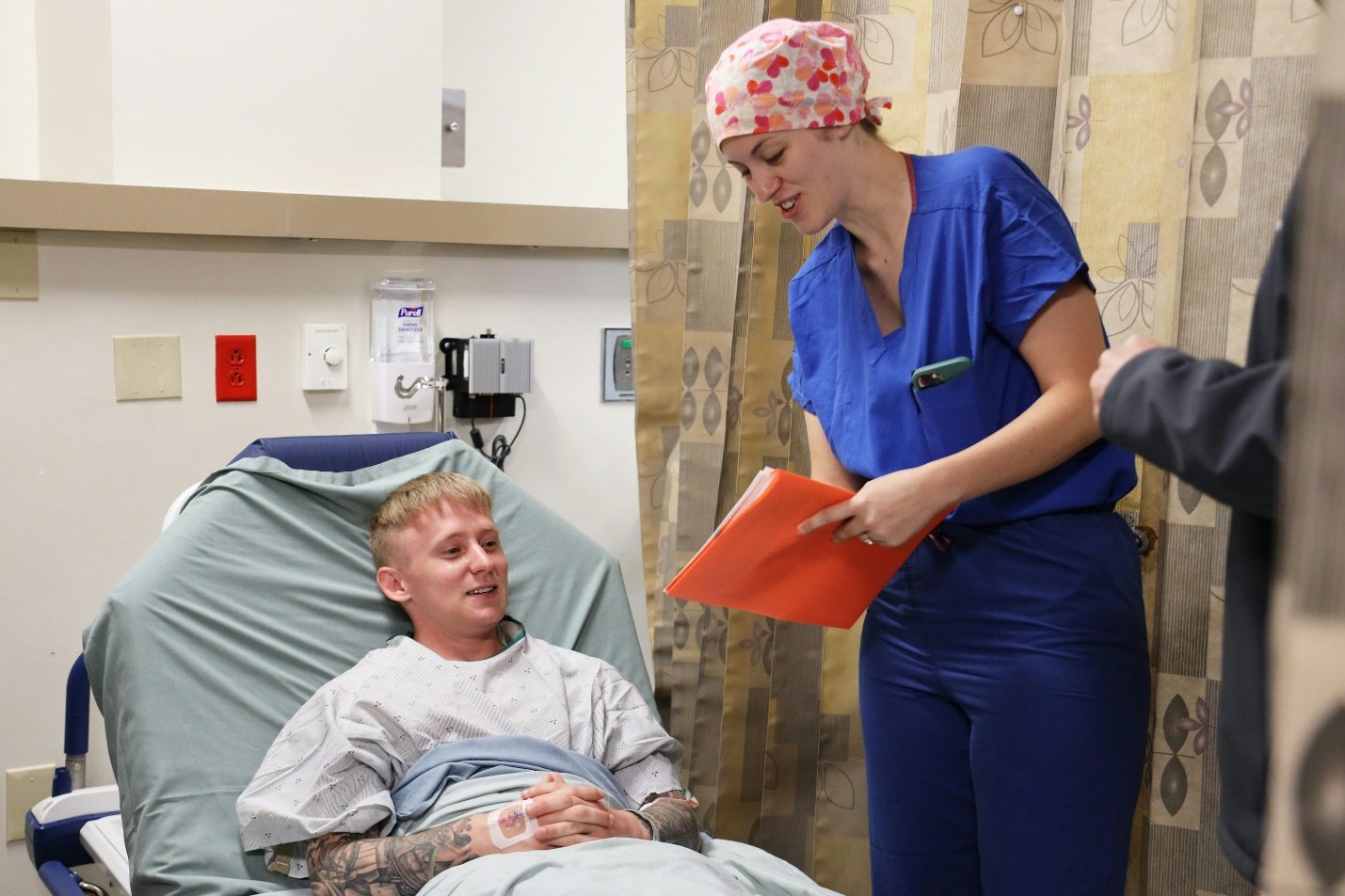
Outpatient procedures have become increasingly common because they allow patients to return home on the same day while still receiving effective medical treatment. Advances in minimally invasive techniques have shortened recovery times for many surgical and diagnostic procedures. However, patients should not assume that a shorter hospital stay means recovery requires less attention. The body still needs time to repair tissues, reduce inflammation, and restore normal function after any medical intervention.
A structured recovery plan helps patients avoid complications and return to daily activities more safely. Each stage of healing places different demands on the body, which is why healthcare providers often recommend temporary lifestyle adjustments after treatment.
Stage One: The Initial Recovery Period (First 24–48 Hours)
The first two days after an outpatient procedure focus on protecting the surgical area and controlling inflammation. During this stage, the body increases blood flow to the affected tissue to begin the repair process. Patients may notice swelling, bruising, mild bleeding, soreness, or fatigue. These symptoms are usually expected and often improve gradually with proper care.
Many patients also begin thinking about when they can safely return to their normal routines, including exercise, work responsibilities, and intimate activity. Questions about sexual recovery are particularly common after urological procedures because premature activity may interfere with healing or increase discomfort. For this reason, healthcare providers frequently discuss concerns related to masturbation after vasectomy to help patients understand when it is safe to resume ejaculation without disrupting the healing process.
Stage Two: Early Tissue Repair and Inflammation Control (Days 3–7)
As the initial inflammation begins to decrease, the body shifts toward rebuilding damaged tissue. During this stage, collagen production increases, and healing tissues start becoming more stable. Although patients often feel physically better after a few days, the surgical area may remain vulnerable to strain or irritation.
Activity restrictions remain important throughout the first week of recovery. Heavy lifting, intense exercise, and sudden movements can interfere with tissue repair and increase swelling or bleeding. Patients should also continue taking prescribed medications exactly as directed. Pain relievers and antibiotics help manage discomfort while lowering the risk of complications. Skipping medications or returning to normal activity too quickly may slow the healing process and prolong recovery.
Stage Three: Wound Healing and Infection Prevention (Week 1–2)
By the second week, most incision sites begin closing more effectively as new tissue develops beneath the skin. Patients often experience less tenderness and swelling during this stage, although mild sensitivity can still occur. Proper wound care becomes especially important because healing tissue remains susceptible to irritation and infection.
Keeping the surgical area clean and dry helps reduce bacterial exposure and supports healthy healing. Patients should wash their hands before touching dressings and follow all instructions regarding bandage changes or bathing restrictions. It is also important to monitor for warning signs such as fever, redness, unusual drainage, warmth around the incision, or worsening pain. Contacting a healthcare provider early can prevent minor issues from becoming more serious complications.
Stage Four: Gradual Return to Daily Activities (Weeks 2–4)
Many patients begin regaining energy during this phase of recovery. Swelling and soreness often continue to improve, making routine activities feel more manageable. However, internal healing may still be ongoing even if symptoms appear mild. Returning to physically demanding tasks too quickly can place unnecessary stress on healing tissue.
Doctors usually recommend easing back into exercise, work responsibilities, and household activities gradually. Light walking may support circulation and mobility, but strenuous workouts should still be avoided unless approved by a healthcare provider. Paying attention to pain, fatigue, or swelling can help patients recognize when the body needs additional rest.
Stage Five: Resuming Physical Intimacy and Sexual Health
Patients recovering from outpatient procedures involving the pelvic or abdominal region often have concerns about resuming intimacy safely. Healing timelines vary depending on the procedure, overall health, and whether complications occurred during recovery. Mild tenderness or sensitivity may still be present even after visible healing improves.
Healthcare providers typically advise waiting until swelling, discomfort, and incision irritation have decreased before resuming sexual activity. Patients should also avoid rushing back into intimacy simply because they feel better physically. Following professional recommendations can reduce the risk of pain, delayed healing, or reopening sensitive tissue during recovery.
Stage Six: Long-Term Recovery and Internal Healing
Even after patients return to normal routines, the body may continue healing internally for several weeks or months. Soft tissues often require additional time to regain strength and stability beneath the skin. Some patients may also experience temporary fatigue or mild discomfort as the body completes the healing process.
Healthy lifestyle habits can significantly support long-term recovery outcomes. Proper hydration, balanced nutrition, quality sleep, and avoiding smoking all contribute to better tissue repair and immune function. Attending scheduled follow-up appointments also allows healthcare providers to monitor progress and address lingering concerns before they become more serious.
Stage Seven: Recognizing Recovery Setbacks and When to Seek Medical Care
Recovery does not always progress at the same pace for every patient. Temporary soreness, swelling, or mild fatigue may still occur as the body heals. However, certain symptoms should never be ignored because they may indicate infection, bleeding, or another complication requiring medical attention.
Patients should contact a healthcare provider if they develop fever, severe pain, excessive swelling, unusual drainage, breathing difficulties, or persistent bleeding. Early medical evaluation can prevent minor recovery issues from worsening. Staying aware of these warning signs helps patients protect their health while recovering more confidently and safely.
Supporting a Safe and Successful Recovery
Every stage of outpatient recovery serves a specific purpose in helping the body heal properly. From controlling inflammation during the first few days to gradually returning to normal activities, each phase requires patience and careful attention to medical guidance. Even minor procedures place temporary stress on the body, which makes proper aftercare essential for long-term wellness.
Patients who follow recovery instructions closely often experience fewer complications and smoother healing overall. Rest, wound care, medication adherence, and healthy daily habits all play important roles throughout the process. Understanding the stages of recovery can help patients feel more prepared, reduce unnecessary anxiety, and return to everyday life with greater confidence.