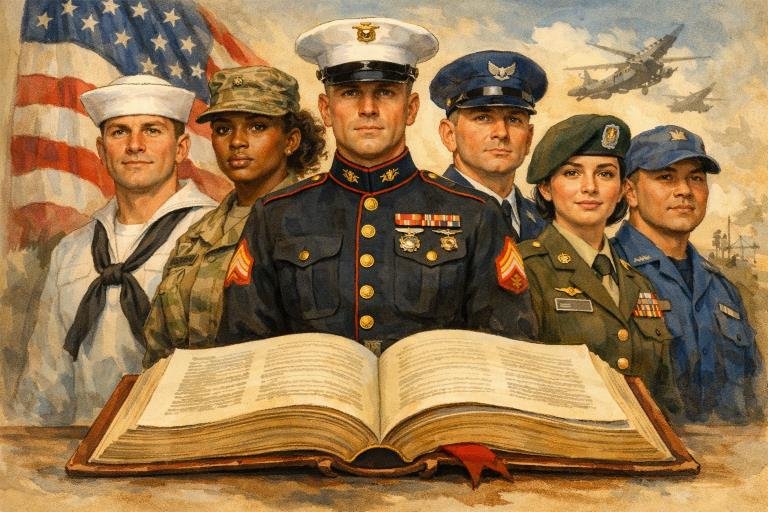
For service members and their families, understanding the Uniform Code of Military Justice (UCMJ) is vital to military life. The UCMJ lays the foundation for discipline, accountability, and justice within all branches of the United States Armed Forces. Knowing how violations are handled and the consequences that can follow is essential for anyone serving or supporting those who serve. To learn more about defending your rights within the military justice system, visit defendyourservice.com.
The military’s legal framework differs from civilian criminal justice, with specific offenses, procedures, and potential penalties. Service members are expected to adhere to these standards on and off duty, whether stateside or deployed overseas. Because of this, infractions under the UCMJ can carry significant career and personal consequences, making it crucial to understand the basics of violations and your rights within the military justice system. This guide will walk you through the scope of the UCMJ, discuss common violations, explain the process of military investigations and courts-martial, and offer resources for legal assistance. Being informed ensures you or your loved one can respond effectively if accused of a UCMJ violation. The military justice system emphasizes both discipline and fairness. Learning the essentials will help you protect your rights and navigate the challenges that may arise from a UCMJ investigation or accusation.
What Is the UCMJ?
The Uniform Code of Military Justice is a federal law enacted by Congress that serves as the foundation of military law in the United States. It applies to all members of the armed forces, including the Army, Navy, Air Force, Marine Corps, Coast Guard, and the Space Force. The UCMJ covers a broad spectrum of offenses unique to the military, as well as crimes recognized under civilian law. It also details the procedures for conducting courts-martial and handling appeals, ensuring a structured form of justice that is both prompt and efficient.
Common UCMJ Violations
Violations under the UCMJ range from minor disciplinary infractions to serious criminal offenses. Common violations include:
- Article 92: Failure to obey an order or regulation
- Article 86: Absence without leave (AWOL)
- Article 120: Sexual assault and related offenses
- Article 121: Larceny and wrongful appropriation
- Article 134: General article covering various offenses not specified elsewhere
While some violations might be addressed through non-judicial punishment (also known as Article 15), others require formal prosecution through courts-martial. Understanding the nature of the alleged offense is critical to determining the potential outcomes and defense strategies.
Investigations and Military Discipline
When an alleged infraction occurs, a military command may initiate an investigation to determine the facts. This process can include interviews, examination of evidence, and statements from the accused and witnesses. Commanders wield significant discretion in how they address violations, which can range from administrative actions (such as counseling and reprimands) to more formal proceedings, such as non-judicial punishment or referral to a court-martial. The investigation phase is a pivotal opportunity for the accused to present evidence or correct misunderstandings before more serious actions advance.
Courts-Martial and the Judicial Process
Courts-martial serve as the main venue for adjudicating serious offenses under the UCMJ. There are three types of courts-martial: summary, special, and general. Each type corresponds to the severity of the alleged offense and the rights of the accused. A summary court-martial handles minor offenses and is the least formal, while a general court-martial is reserved for the most severe crimes and offers the greatest legal protections to the accused. The trial process includes investigation, pretrial proceedings, trial before a military judge or panel, and, if convicted, sentencing. Appeals may be taken to military appellate courts.
Rights of Service Members
Service members retain basic legal rights throughout military justice proceedings. These rights include the presumption of innocence, the right to remain silent, the right to counsel, and the right to confront and cross-examine witnesses. Legal representation may be provided by a military defense attorney at no cost, or service members may opt to hire civilian counsel. Understanding and exercising these rights are crucial for building a strong defense and ensuring fair treatment throughout the process.
Potential Consequences
Penalties for UCMJ violations vary depending on the nature and seriousness of the offense. Possible consequences include confinement, reduction in rank, loss of pay, reprimands, and a dishonorable or bad-conduct discharge. These outcomes not only impact a service member’s military career but can also have lasting effects on future employment, veterans’ benefits, and personal reputation. Even minor disciplinary actions can become part of a permanent record, influencing future promotions and opportunities.
Seeking Legal Support
If you are facing a UCMJ violation or are concerned about disciplinary measures, seeking legal support is essential. Military defense counsel can provide guidance specific to your branch and case. In complex or high-stakes situations, hiring a civilian military law specialist might further improve your chances of a positive outcome.
Conclusion
Understanding the UCMJ is essential for every service member because it defines the standards of conduct and the consequences for violating military law. From minor infractions to serious criminal charges, the military justice system operates under strict procedures that can significantly impact a service member’s career, benefits, and future opportunities. Knowing your rights, such as the presumption of innocence, access to counsel, and the ability to present a defense, can make a critical difference during investigations and courts-martial. Because UCMJ cases often involve complex rules and serious penalties, seeking timely legal support is strongly advised to ensure fair treatment and a proper defense strategy. Staying informed, proactive, and aware of available resources helps service members better navigate the military justice process and protect both their rights and their future.