Skin deals with the outside world nonstop. Heat, dust, humidity, dry air, pollution, sweat, sunlight, pool chemicals, traffic exposure, air conditioning, and weather shifts all land on the skin daily, whether people think about it or not. A lot of skin changes people blame on random “bad skin days” actually connect closely to environmental exposure that builds up gradually through regular routines. Skin reacts constantly to what surrounds it, especially once seasons change or daily habits keep repeating in the same conditions for months at a time.
That connection becomes especially noticeable in places like Abuja, Nigeria, where strong sunlight, dusty dry seasons, traffic pollution, heat exposure, and changing weather conditions can affect skin throughout the year. Somebody spending hours commuting through traffic, sitting under indoor cooling systems daily, and moving between outdoor heat and heavily air-conditioned buildings may notice texture changes, dryness, congestion, or irritation building gradually without realizing how much the environment contributes.
Seasonal Buildup and Outdoor Exposure
Seasonal buildup changes how skin feels because exposure accumulates slowly across weeks and months instead of appearing instantly overnight. Sweat, sunscreen residue, dust particles, oil buildup, pollution exposure, dead skin cells, and heavy humidity can all collect on the skin gradually during hotter periods. Dry seasons create different problems completely, especially once dust and heat exposure start leaving skin rough, tight, or irritated after long outdoor days.
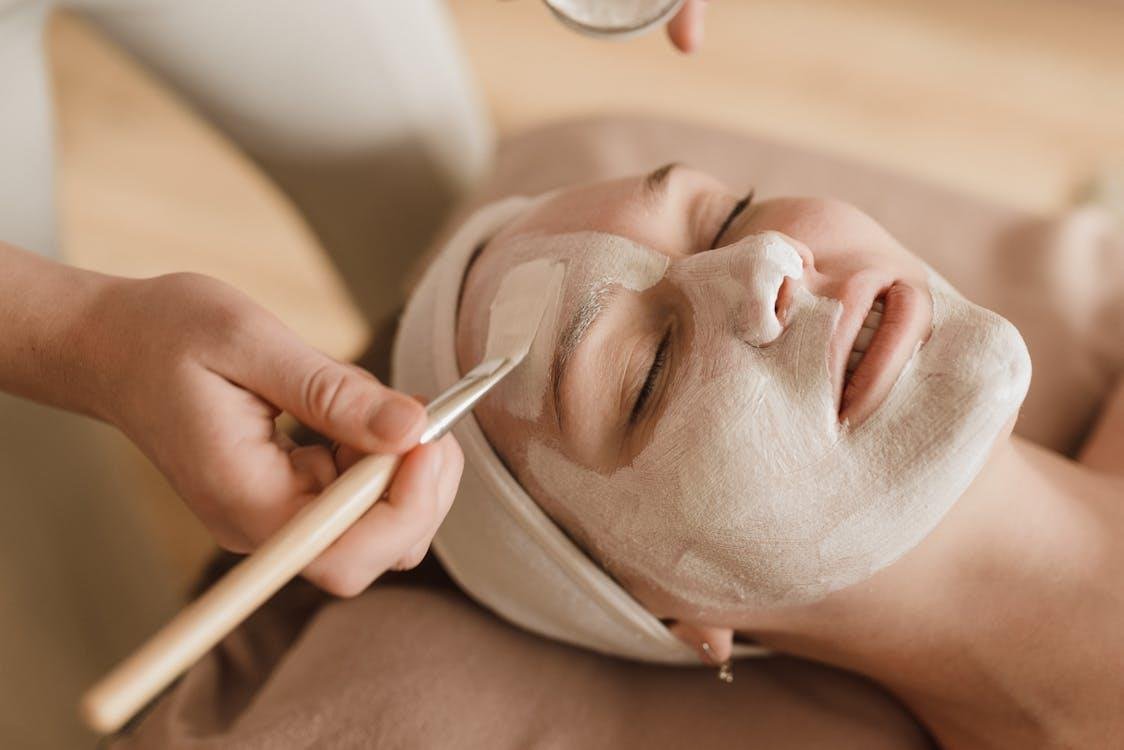
A lot of people notice their skin feeling heavier, duller, rougher, or more congested once outdoor exposure increases consistently during certain times of the year. Given this, professional skincare treatments often become more relevant during periods of strong environmental exposure. Many people consult Abuja facial experts once buildup, uneven texture, clogged pores, and weather-related skin fatigue start becoming more noticeable during ordinary daily routines. Facials can help remove buildup from pollution, sweat, oil, and dead skin cells while supporting skin recovery after repeated environmental exposure throughout the year.
Wind, Pollution, and Temperature Changes
Wind and pollution affect skin far more aggressively than many people realize because exposure happens daily during ordinary routines like commuting, walking outdoors, sitting near traffic, or spending time in crowded urban areas. Pollution particles can settle onto the skin repeatedly throughout the day, especially in busy environments where heat, exhaust, dust, and outdoor exposure combine constantly. Wind creates another layer of stress because it can leave skin feeling dry, irritated, or rough after repeated exposure.
Temperature swings make things even more noticeable. Moving repeatedly between outdoor heat and cold indoor air conditioning can leave skin feeling confused and uncomfortable very quickly. Some people notice redness, uneven texture, tightness, or sensitivity after long days moving through different environments nonstop. Environmental exposure affects skin gradually through repetition, which is why many changes become easier to notice after seasonal transitions or long stretches of consistent outdoor activity.
Dry Indoor Air Effects
A lot of people think environmental skin exposure only happens outdoors, though indoor air conditions affect skin heavily, too. Dry indoor air from cooling systems, fans, and climate-controlled buildings can leave skin feeling dehydrated even when the weather outside feels humid or hot. Spending entire workdays inside artificially cooled environments often changes how skin behaves across time, especially once the moisture balance starts getting disrupted daily.
Indoor dryness can make skin feel tight, flaky, irritated, or unusually sensitive during ordinary routines. Some people notice makeup sitting differently, rough patches appearing more often, or irritation developing around the cheeks and forehead after long stretches inside heavily air-conditioned spaces. Indoor environmental exposure matters because skin reacts to surrounding conditions constantly, not just during outdoor activities or direct sunlight exposure.
Outdoor Activities and Skin Condition
Outdoor activity affects skin differently depending on the environment, weather conditions, and how frequently exposure happens. Long walks, sports, swimming, hiking, outdoor commuting, open-air exercise, and recreational activities all increase contact with heat, sweat, wind, sunlight, dust, or chlorine throughout the year. Even enjoyable outdoor routines can create visible skin changes once exposure becomes repetitive across seasons.
People who spend a lot of time outdoors often notice texture changes, tanning patterns, irritation, dryness, or congestion appearing more noticeably after busy outdoor periods. Sweat mixed with environmental particles can leave skin feeling uncomfortable after long days outside, especially during hotter weather. Outdoor recreation affects skin because exposure rarely happens in isolation. Heat, humidity, pollution, wind, and physical activity usually combine at the same time, creating repeated environmental pressure on the skin during regular routines.
Seasonal Allergies and Skin Irritation
A lot of people notice skin becoming itchier, more reactive, puffier, or unusually sensitive during allergy-heavy periods throughout the year. Environmental allergens floating through the air can increase irritation around the eyes, cheeks, forehead, and neck, especially once exposure continues daily during changing seasons.
Skin reactions during allergy periods often feel frustrating because irritation may appear inconsistent from one week to the next. Some people notice redness after outdoor exposure, while others experience dryness, sensitivity, or texture changes during heavy pollen or dusty weather conditions. Seasonal allergies affect the skin because inflammation and environmental exposure often overlap, creating reactions that become much more noticeable once weather conditions shift throughout the year.
Everyday Exposure Habits
Often, skin exposure happens through completely ordinary habits people barely think about anymore. Sitting near traffic every day, touching the face constantly, wearing makeup during long humid days, forgetting to remove sunscreen properly, sleeping in air-conditioned rooms nightly, or spending hours beside dusty roads can slowly affect skin texture over months. Environmental exposure usually builds through repetition rather than one dramatic event, causing sudden changes immediately.
Someone spending two hours daily moving through heat, pollution, and outdoor dust may experience very different skin conditions compared to someone working mostly indoors. Repeated exposure to sunlight during errands, outdoor waiting areas, or open transportation routes adds up gradually, too. Skin often reacts to the accumulated habits people repeat automatically every single day, leading to aging skin.
Travel and Climate Changes
Travel can completely throw skin off balance because the environment changes faster than the skin can comfortably adjust sometimes. Different humidity levels, stronger sunlight, airplane cabin dryness, hotel air conditioning, unfamiliar water quality, pollution exposure, and changing temperatures all affect skin differently within a short period. A person may leave one climate with balanced skin and arrive somewhere else dealing with dryness, congestion, breakouts, or irritation within days.
Long travel periods create repeated environmental transitions that can leave skin looking tired or uneven. Moving between hot outdoor environments and freezing indoor cooling systems during trips often makes sensitivity more noticeable, too. Many people experience texture changes or increased irritation after returning from vacations, business trips, or long travel schedules because the skin has spent days reacting continuously to unfamiliar environmental conditions without much recovery time in between.
Environmental exposure affects skin constantly through weather, pollution, dry indoor air, allergens, and repeated daily habits happening throughout the year. Many visible skin changes develop gradually through accumulated exposure instead of a sudden cause appearing overnight.