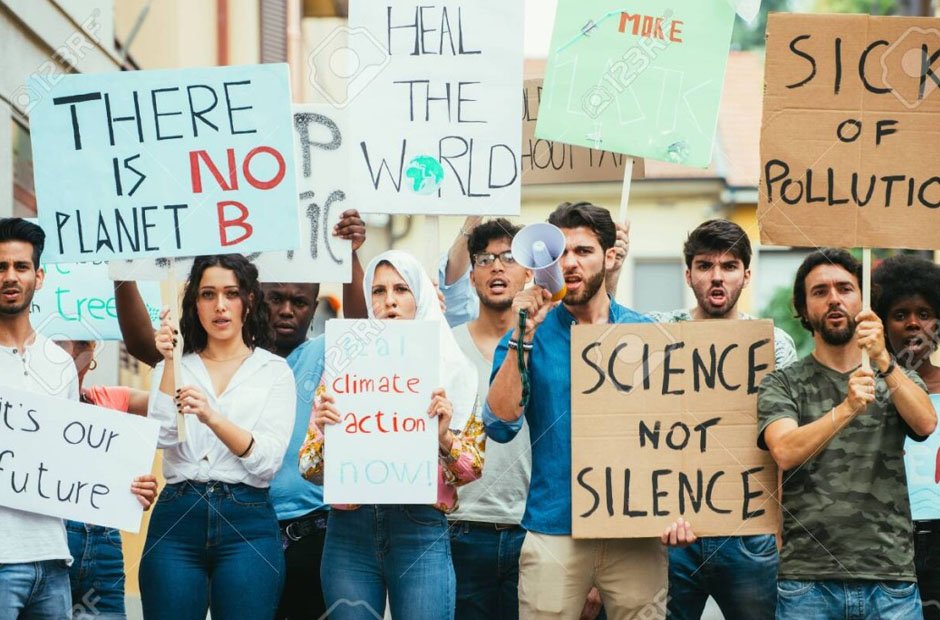
Public opinion is central to the functioning of any democracy, directly shaping political outcomes from policy decisions to elections. When examining how people collectively view issues, policies, and leaders, we see the immense power of group perspectives on governance. Whether influencing policymakers’ actions or driving change through mass movements, the collective voice of citizens can be a decisive factor in shaping public policy in tangible ways. Both policymakers and everyday citizens benefit from understanding the forces that mold public opinion and the pathways it travels in politics.
As political landscapes evolve, so too does the importance of public sentiment. Leaders rely on information about what the population thinks in order to maintain support, stay relevant, and enact meaningful legislation. Citizens, in turn, depend on their voices being heard, knowing that political legitimacy rests on popular approval. The channels through which opinion is formed and measured, ranging from traditional media to social platforms and interpersonal networks, highlight the dynamic and multifaceted nature of this influence.
Importantly, public opinion is not static. It can change rapidly due to unfolding events, new information, or persuasive messaging from influential figures. This reality means that interpretation and measurement of public sentiment must remain both vigorous and critical if we are to fully appreciate its role in politics.
Whether in times of stability or crisis, public attitudes remain a key factor in determining both the direction and the speed of the government’s response. Recognizing how and why public opinion shifts empowers voters and leaders alike to participate more effectively in democratic processes.
Formation of Public Opinion
Public opinion is best described as the summation of views held by the adult population on matters of public concern. It develops through a complex synthesis of personal experiences, cultural traditions, education, and exposure to current events. While individual backgrounds shape private beliefs, public opinion arises when these views coalesce in the public square, influencing the greater sociopolitical climate. The process is shaped by a blend of personal logic and collective reasoning, making public opinion both uniquely individual and broadly reflective of group sentiments.
Influences on Public Opinion
Several critical forces and actors mold public opinion. Mass media outlets and evolving social media networks have perhaps the most visible role, distributing vast quantities of information that frame and at times distort how events are perceived. Opinion leaders, including politicians, celebrities, and prominent community members, also wield significant power in setting or steering the public agenda. Interest groups advocate for specific causes, strategically aiming to mobilize and persuade people to influence policy and public sentiment. Additionally, broader contextual factors such as economic health, social justice movements, and global affairs often leave a deep imprint on what the public collectively thinks and feels.
Public Opinion and Policy Making
Effective policymakers pay close attention to public sentiment as it directly impacts their legitimacy and ability to implement policy. Leaders who fail to consider their constituents’ views risk alienation, loss of support, or even electoral defeat. Public opinion can shape the priorities set by a government; issues more sharply felt by the public may quickly rise to the top of the policy agenda, shifting the focus and resources of state action. There are instances where the demands of public opinion and the best interests of the country conflict. In these cases, experienced leaders must balance popular will with evidence-based guidance and long-term strategic goals. Prominent analyses from sources like Pew Research Center highlight how the interplay between opinion and policy shapes the course of nations.
Role of Media in Shaping Public Opinion
Media outlets serve a dual function. They inform the public about ongoing developments and, through editorial decisions, shape the perceived importance of particular issues. Agenda-setting, the deliberate focus on certain events or topics, often determines what the public thinks about, if not always what they think. The framing of news stories can alter how facts are interpreted by focusing on specific aspects or omitting others, potentially coloring public sentiment. During critical periods such as national elections or emergencies, media narratives become even more potent, rapidly disseminating perspectives that can shift mass opinion. The modern media environment intensifies these dynamics, especially with the integration of digital and social platforms.
Public Opinion During Crises
Crises—whether public health, economic, or security-related are periods of heightened awareness and uncertainty. During these times, public opinion can change abruptly as people seek accurate information and clear guidance. The COVID-19 pandemic, for example, brought dramatic swings in public attitudes toward government actions, vaccination, and social distancing. Media reporting, combined with political messaging and scientific updates, played a decisive role in framing public debates. The sheer speed at which information was shared also led to evolving narratives, highlighting both the possibilities and perils of an interconnected world in crisis.
Measuring Public Opinion
Understanding the direction and intensity of public sentiment requires systematic measurement. Surveys and polls remain the most widely used methods, providing quantitative data on how people feel about specific issues. Focus groups add qualitative depth, allowing researchers to capture the nuances behind numbers. Increasingly, social media analysis offers a real-time pulse on public sentiment, tracking trends and identifying emerging opinions as they develop online. Each method has its strengths and limitations, making triangulation across sources essential for a complete picture.
Challenges in Interpreting Public Opinion
Interpreting public opinion is far from straightforward. Social desirability bias can lead people to provide answers they believe are acceptable rather than their true opinions. Sampling errors and poorly constructed survey questions can undermine reliability and validity. Furthermore, the rapid pace at which public opinion can shift, especially in the digital age, means that data can quickly become outdated or misleading. Analysts and leaders must therefore approach interpretation with expertise and caution to avoid misjudging the mood of the populace.
Conclusion
Public opinion wields undeniable influence over political outcomes, guiding the efforts of leaders and shaping the contours of policy. Its formation, context, measurement, and interpretation are fundamental to the healthy functioning of democracy. By understanding how public attitudes develop and manifest, societies can foster a more responsive and legitimate political system.