Key Takeaways
- Dropper bottles enable precise measurements, making them ideal for essential oils, medicines, and skincare.
- Materials matter—glass often offers chemical resistance, while plastic adds durability and portability.
- Thorough cleaning and proper storage prevent contamination and product spoilage.
- Safety mechanisms like child-resistant closures and tamper-evident seals are crucial for certain applications.
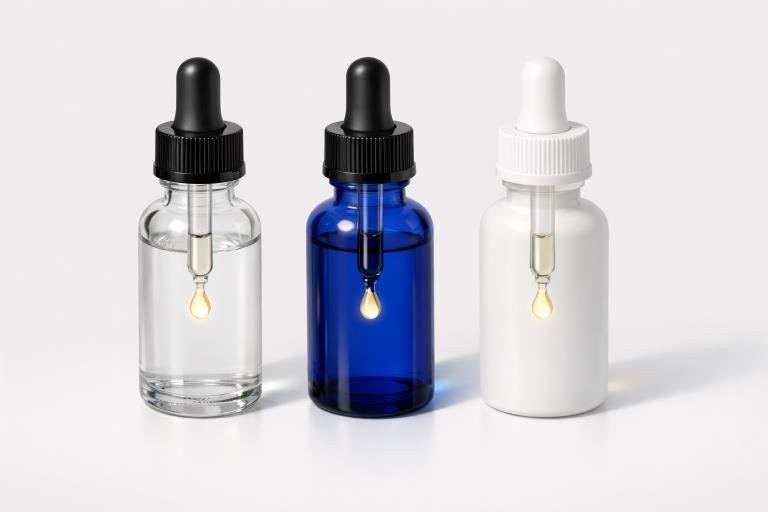
Dropper bottles play a pivotal role across multiple sectors, enabling precise dispensing of delicate substances. Their design ensures users can control dosage, making them indispensable for tasks ranging from skincare routines to laboratory experiments. If you’re searching for the best bottles with droppers, it’s helpful to understand their benefits, optimal use, and safety considerations.
These bottles are particularly favored for their precision, which minimizes waste and ensures product safety with each use. Whether you are working with essential oils, medications, or cosmetic serums, understanding the fundamentals of dropper bottle use can improve both convenience and outcomes.
Investing in the right dropper bottle can preserve the integrity of your products while simplifying dispensing. Their convenience is why they are found in medical cabinets, labs, and beauty routines worldwide, suitable for both professionals and at-home users wanting accuracy and reliability.
The design of dropper bottles has also evolved to meet stringent regulatory and consumer safety standards, providing peace of mind when storing substances that require careful handling. They are a staple of modern product packaging for many industries.
Common Applications of Dropper Bottles
Dropper bottles are integral for products that require measured application. Their main uses include:
- Essential Oils:Delivering accurate drops is vital in aromatherapy and homemade skincare, as concentrations can be potent.
- Medications:In pediatric or geriatric care, liquid medications benefit from precise dosing with dropper bottles.
- Skincare Products:High-value serums and facial oils often use droppers to avoid over-application and product waste.
- Laboratory Solutions:In science and research, accurate drop size supports replicable results and safe reagent handling.
This diverse utility extends dropper bottles to everything from home remedies to regulated pharmaceuticals.
Choosing the Right Material
The longevity and safety of dropper bottle contents often depend on the material used in bottle construction. Two dominant options are:
- Glass:Favored for its inert properties, glass resists interacting with chemicals, essential oils, and medicines. Amber and cobalt varieties provide UV protection for light-sensitive substances, helping extend shelf life.
- Plastic:Lightweight and less prone to breaking, plastic droppers are popular for travel and active work settings. However, always ensure the plastic selected is compatible with your intended contents to avoid unwanted reactions.
Understanding the chemical properties of your solution will help you choose the most appropriate container material. For details on chemical storage compatibility, you might consult resources from the American Chemical Society.
Proper Cleaning and Maintenance
Meticulous cleaning routines are necessary to avoid spoilage and maintain the integrity of both the bottle and its contents:
- Disassemble all components:Remove the pipette and rubber bulb from the main vessel.
- Clean thoroughly:Wash each part in warm, soapy water. Glass elements can be boiled for additional sterilization, which is handy for medicinal or laboratory use.
- Dry completely:Moisture encourages bacteria and mold growth. Allow all elements to air dry on a clean surface before reassembling and reuse.
This routine cleaning not only maintains product efficacy but also promotes long-term hygiene and bottle durability.
Safety Features and Considerations
Safe storage and use are critical, especially when working with medicines or chemicals. Dropper bottles used for these purposes often have:
- Child-resistant closures:These caps prevent children from inadvertently accessing potentially hazardous substances.
- Tamper-evident seals:Modern packaging often features safety seals that make unauthorized access obvious, protecting users from use of compromised products.
The FDA recommends vigilance with dropper bottles for products such as eye drops.
Avoiding Contamination
Maintaining the purity and efficacy of the contents requires adherence to a few essential practices:
- Never return unused product to the bottle; avoid touching the pipette to other surfaces.
- Wipe any residue from droppers after use with sterile tissues, where possible.
- Store in a manner that prevents exposure to dirt, dust, or extreme temperatures. Always store upright with a secure cap.
These steps improve product preservation and user safety.
Handling and Dispensing Techniques
Correct technique not only ensures accuracy but also prevents waste and mess:
- Position the dropper vertically above the application site to control flow and drop size.
- Squeeze the bulb gently to release the required dose, watching as each drop forms naturally at the tip.
- Use a pipette with measurement marks for medications or chemicals demanding precise quantities.
Accurate dispensing is especially important with potent or concentrated solutions.
Storage and Shelf Life
Storage conditions are a key factor in product longevity:
- Keep dropper bottles out of direct sunlight, excessive heat, or humidity. UV rays and warm environments can degrade active ingredients.
- Always reseal bottles tightly after use to limit air exposure. Oxygen can alter or spoil many sensitive solutions.
- Use labels to record both contents and opening dates. This practice helps track product age and ensures timely use or disposal.
Conclusion
Dropper bottles are a practical and versatile choice for precise liquid dispensing, whether for health, science, or personal care. By choosing appropriate materials, practicing proper hygiene, and adhering to safety guidelines, you can maximize the value and effectiveness of the products you keep in dropper bottles. Their continued presence in medical, cosmetic, and laboratory spaces is a testament to the convenience and peace of mind they offer to users everywhere.