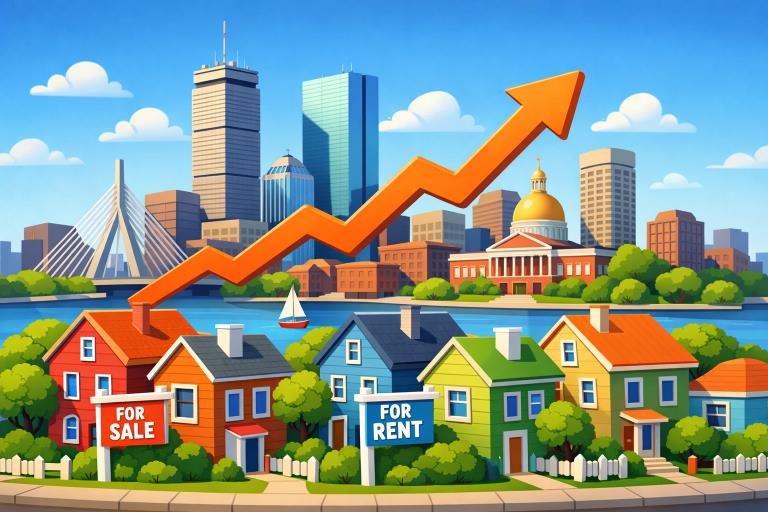
Key Takeaways
- Boston’s real estate market is defined by persistently low inventory, driving ongoing increases in home prices.
- High mortgage rates and elevated home values have led to fewer home sales.
- The rental market remains highly competitive with strong occupancy rates and steadily rising rents.
Understanding the evolving dynamics of Boston’s real estate market is essential for buyers, sellers, and investors hoping to succeed in the region. With a reputation built on expertise and comprehensive client service across Greater Boston and the surrounding areas, Ricardo Rodriguez & Associates stands out as a leading resource for expert guidance and strategic insight. As a top Boston real estate agent, Ricardo Rodriguez & Associates leverages years of industry knowledge, a data-driven approach, and a custom-tailored experience to help clients navigate the market’s complexity, whether searching for a family home, an investment property, or luxury real estate.
This article explores the latest trends shaping Boston’s real estate market, drawing on fresh data and expert perspectives to provide a detailed picture of the city’s housing landscape and a practical roadmap for making informed decisions.
Limited Inventory and Rising Prices
In Boston, the inventory of available homes continues to lag well behind demand. The city saw its median single-family home sale price climb to $655,000 in March 2026, a year-over-year increase of more than 4 percent. This limited inventory is the principal driver pushing prices ever higher and making home buying a challenge for first-time and move-up buyers alike. Boston’s real estate market has been grappling with a supply shortage for several years, prompting increasingly competitive bidding for the limited number of homes available.
The relentless upward pressure on prices signifies a challenging landscape, particularly for those hoping to enter the market. Tight inventory also limits choices and can compel buyers to expand their searches to surrounding neighborhoods or consider properties that require renovation.
Impact of Mortgage Rates on Home Sales
One of the most significant factors shaping Boston’s market recently has been the rise in mortgage rates. In April 2026, the city recorded 2,933 home sales, down 5.1 percent compared to the previous year. The combination of higher monthly payments and lofty home prices has kept some would-be buyers on the sidelines. For those with less financial flexibility, buying a home in Boston may require additional creative financing or compromise on home preferences.
The impact is widespread, affecting everyone from first-time homebuyers to downsizers. Market observers note that rate-sensitive buyers are increasingly turning to smaller properties or condos, while sellers, who may have themselves locked in lower rates, are hesitating to list their homes and re-enter the market at current borrowing costs.
Rental Market Dynamics
Boston’s rental market continues to thrive amid tight conditions in the for-sale market. As of Q3 2024, average rents reached $2,869, up 3 percent year over year, and the occupancy rate stood at 96.2 percent. These figures reflect substantial demand for rental housing, driven by residents who are either priced out of homeownership or seeking flexibility in a competitive job market. High occupancy rates suggest that desirable rental units are snapped up quickly, compelling prospective tenants to act swiftly and make competitive offers.
New Construction and Affordability Challenges
Efforts to boost housing supply through new construction have yet to resolve the market’s affordability crisis. The median listing price for new-construction homes in Massachusetts surpassed $1 million in 2024, setting the bar far above what the average homebuyer can afford. This price disparity underscores the urgent need for a wider range of affordable housing solutions, especially for younger buyers and middle-income families.
Suburban Market Trends
Boston’s suburbs are absorbing some of the city’s excess demand. In 2024, suburban condos and single-family homes saw a surge in buyer interest, particularly in neighborhoods that offer more space and better value for the dollar. Roxbury, for example, posted a remarkable 52.8 percent increase in average price per square foot, climbing to $636, thanks to new developments. Many suburban markets have become increasingly attractive for buyers seeking a respite from Boston’s intense competition. This suburban shift is also driven by greater flexibility in work arrangements and lifestyle preferences developed in recent years.
Future Outlook
The future of Boston’s real estate market is likely to remain competitive. While fluctuating mortgage rates and economic headwinds could introduce some uncertainty, sustained demand, constrained supply, and strong rental demand point to continued challenges for buyers and renters alike. Prospective participants in the market are encouraged to closely monitor trends, assess financial readiness, and assemble a knowledgeable team of professionals to guide their search or transaction.
Conclusion
Boston’s real estate market remains highly competitive due to limited housing inventory, rising prices, and elevated mortgage rates. Strong rental demand and low vacancy rates continue to pressure affordability. While suburban areas offer some relief, overall conditions suggest ongoing challenges for buyers, renters, and investors in the near term.