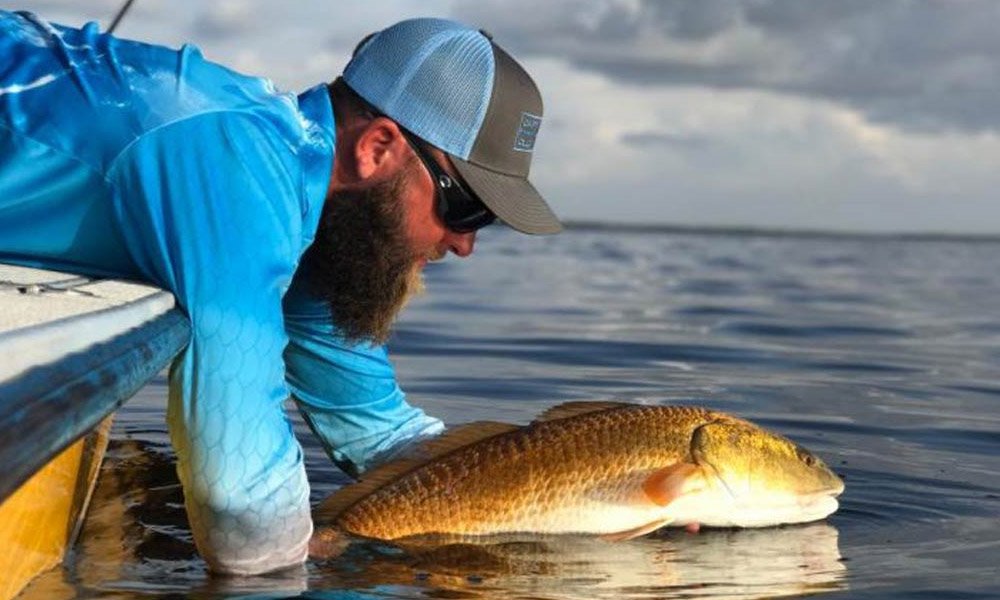
Most anglers remember the fish they landed. The best anglers remember the fish they released.
As fishing pressure increases across popular coastal and offshore waters, responsible angling has become more important than ever. Catch and release fishing is no longer just a conservation technique; it is a vital practice that helps protect fish populations, preserve ecosystems, and ensure future generations can enjoy the same fishing experiences.
However, simply releasing a fish does not guarantee its survival. Studies have shown that poor handling techniques, excessive fight times, and improper release methods can significantly reduce post-release survival rates. According to NOAA Fisheries, reducing handling stress and minimising air exposure are among the most effective ways to improve fish survival after release.
Whether you fish in estuaries, offshore reefs, or coastal waters from a dedicated fishing vessel, understanding the principles of boat catch and release can make a measurable difference.
Why Catch And Release Fishing Matters More Than Ever
Modern anglers have access to better boats, advanced electronics, and more efficient fishing techniques than ever before. While these advancements improve catch rates, they also increase responsibility.
Benefits of catch and release fishing include:
- Protecting breeding fish populations
- Supporting long-term fishery sustainability
- Maintaining a healthy ecosystem balance
- Preserving trophy fish genetics
- Improving future fishing opportunities
Many popular sportfish species rely heavily on responsible release practices to maintain healthy stocks.
Expert Insight
“The success of catch and release fishing depends less on releasing the fish and more on how the fish is handled before release.”
This distinction is often overlooked.
Why The Right Fishing Gear Improves Release Success
Equipment selection plays a major role in reducing fish mortality.
Circle hooks are often preferred because they:
- Reduce deep hooking
- Hook fish in the jaw more consistently
- Minimise internal injuries
- Simplify hook removal
Research published by The Australian Society for Fish Biology has highlighted the effectiveness of circle hooks in improving survival outcomes for many recreational fishing species.
Other recommended gear includes:
- Rubber-coated landing nets
- Long-nose pliers
- De-hooking tools
- Barbless hooks are appropriate
The right equipment makes the release process faster and safer.
How Boat Catch And Release Practices Differ From Shore Fishing
Fishing from a boat creates unique challenges and opportunities.
Effective boat catch and release practices include:
- Keeping fish beside the boat during release
- Avoiding hot aluminium decks
- Using release tools within easy reach
- Preparing cameras before lifting fish
Many serious anglers now organise their vessels with dedicated release stations to reduce handling time.
A Well-designed fishing boat helps by providing:
- Clear deck space
- Easy access to release equipment
- Safe fish handling areas
- Efficient movement around the vessel
Boat design can indirectly influence fish survival rates.
What Are The Best Practices For Handling Fish On Open Decks
Bringing a fish completely onto an open boat deck exposes it to gravitational forces its body is not built to withstand. If a fish must be lifted from the water for unhooking or quick measurement, anglers must adhere to strict handling protocols to protect its protective slime layer and skeletal frame.
| Handling Factor | Mistake to Avoid | Best Practice Standard |
| Air Exposure Time | Keeping fish out of water for photos (>30 seconds) | Restricting air exposure to less than 15 seconds maximum. |
| Grip Technique | Hanging heavy fish vertically by the jaw or gills | Supporting the fish horizontally with two hands under the belly. |
| Net Material | Using knotted nylon nets that scratch scales | Utilising knotless, smooth rubber-coated landing nets. |
| Surface Contact | Placing fish on hot, dry aluminium floor plates | Laying fish on a damp, cool, cushioned measuring mat. |
A fish’s skin is coated in a delicate mucus layer that serves as its primary immune defense against marine bacteria and parasites. Touching a fish with dry hands, rags, or abrasive surfaces strips this coating away, leaving the animal highly vulnerable to lethal infections weeks after its release. Anglers should always wet their hands thoroughly before touching any part of the fish’s body.
A useful rule followed by many experienced anglers is:
“If you’re holding your breath for the photo, the fish shouldn’t be out of the water any longer.”
What Role Does Conservation Play In Modern Recreational Fishing?
Today’s anglers increasingly see themselves as custodians of fisheries rather than simply participants.
According to Recfish Australia, recreational fishers contribute significantly to conservation initiatives through habitat restoration, citizen science programs, and responsible fishing practices. Catch and release is part of this broader shift towards sustainable fishing.
Conservation-minded anglers often:
- Follow local regulations
- Respect size and bag limits
- Use ethical release practices
- Support habitat protection programs
Why Responsible Catch And Release Fishing Will Shape The Future Of Angling
The future of recreational fishing depends on balancing enjoyment with conservation. As technology helps anglers locate and catch fish more efficiently, ethical practices become increasingly important.
Successful catch and release is not simply about letting a fish go; it is about giving that fish the best possible chance of survival. By following proven boat catch and release techniques, anglers can contribute to healthier fisheries, stronger fish populations, and better fishing experiences for years to come.
The most memorable catch is often not the fish you kept, but the one that swam away strong enough to be caught another day again.