Key Takeaways
- Military-inspired education fosters essential values like discipline, responsibility, and accountability.
- Structured routines establish equality and provide a stable environment for learning and development.
- Character-building experiences within these schools equip students to thrive under challenging circumstances.
- Lifelong, transferable skills gained from military-inspired learning prepare students for diverse careers and life’s complexities.
Military-inspired education is increasingly recognized for instilling discipline, structure, and a wealth of soft skills vital for student success. As education evolves to keep pace with technology and a globalized workforce, these models are drawing renewed interest among families and educators. Military-themed programs are not confined to those seeking military careers. Instead, they form the backbone of many of the best boarding schools, where learners of all backgrounds benefit from a well-organized and supportive environment.
Such schools integrate traditional academic instruction with structured routines and value-based leadership training. This hybrid model ensures that students not only excel academically but also develop responsibility, emotional intelligence, and perseverance. In a world where adaptability and critical thinking are essential, military institutions offer a unique advantage for both personal and professional development.
Structured Programs Based on Equality
Military-themed schools revolve around structured programs with uniform expectations, ensuring fairness and equality among all students. Strict routines, shared responsibilities, and equal standards help minimize distractions and provide the sense of security many students need to achieve their best. Clear rules and roles strengthen executive functioning and encourage students to become self-driven. According to Edutopia, consistency in classroom management is crucial for student engagement and success, and military-style routines excel at this.
Through schedule-driven days, these institutions help students build reliable habits early in life. Tasks are divided fairly, and everyone is held to the same high standard. The success of this approach is particularly evident in improvements in time management, decision-making, and peer relationships.
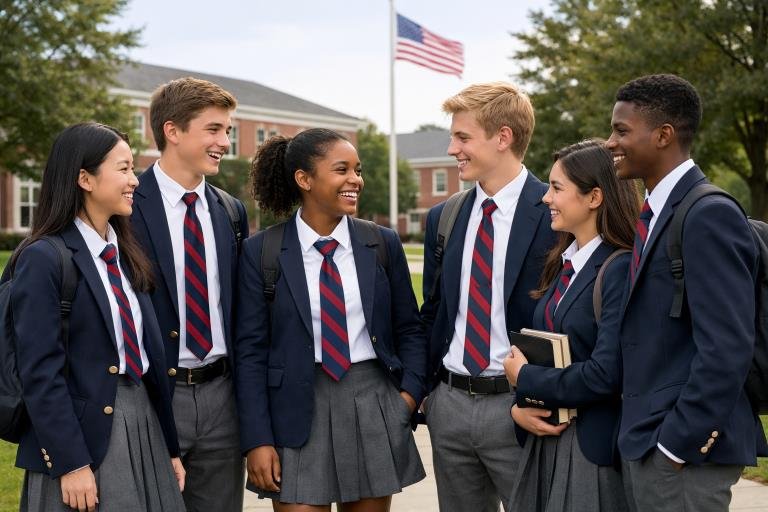
These structured environments also create a clear hierarchy and sense of belonging among students, which can be especially beneficial for those seeking predictability in their learning journey. Uniforms, shared goals, and collaborative activities foster a spirit of camaraderie and help break down barriers that sometimes emerge in more traditional school settings. For families seeking environments that eliminate distractions and promote a sense of order, military-inspired models address many of the educational challenges commonly cited.
Character-Building Experiences
Living, learning, and cooperating as part of a unit, students are exposed to teamwork and leadership opportunities that are often unavailable in more traditional settings. Group projects, physical training, and moral education challenge students, pushing them beyond their comfort zones and fostering growth in resilience, work ethic, and moral character. Peer mentorship and leadership positions give motivated students a chance to guide and support their peers. Evidence from Psychology Today illustrates how positive peer pressure and social learning accelerate personal growth.
Incentivized systems reward diligence, respect, and achievement, ensuring that students who rise to challenges see tangible results for their efforts. This prepares them for professional environments where similar dynamics exist and where character is key.
Additionally, character-building experiences are not limited to academic or physical achievements. The practice of regular reflection, honor codes, and peer evaluation nurtures a sense of duty and moral responsibility. These dimensions of learning support the development of well-rounded individuals who are capable of ethical decision-making and community leadership beyond their school years. The intensity and depth of character education in military-inspired environments set a standard that is admired and often emulated by other educational models.
Preparation for Future Success
Though the military may not be every student’s ultimate path, the self-discipline, responsibility, and commitment acquired through military-inspired education are universally valued. Students emerge better equipped for society’s demands, capable of operating with integrity, and ready to contribute to civic and professional communities. These lifelong skills build a strong foundation for post-secondary education and a variety of career paths outside the armed forces. As the Forbes Technology Council outlines, attributes such as self-discipline, collaboration, and adaptability are top priorities for today’s workforce.
Furthermore, alum networks within military-inspired institutions offer invaluable opportunities for mentorship and career development. Students can access guidance from successful graduates, establishing both a sense of legacy and practical advantages in an increasingly competitive job market. The rigorous preparation ensures that these young individuals are comfortable with challenges and adept at finding solutions under pressure, traits highly prized in today’s interconnected, evolving professional landscape.
Integration of Advanced Learning Techniques
Modern military schools and academies are increasingly integrating advanced learning methods into their curricula. Personalized feedback, immersive virtual simulations, and adaptive learning technologies meet various learning preferences and help close skills gaps. Artificial intelligence and gamification tools prepare students for high-tech roles in the digital age and foster a readiness to adapt as the world changes. These innovations not only support academic achievement but also enable students to learn problem-solving and decision-making in real-time scenarios.
By merging tradition and progress, these schools ensure that their graduates are not only informed but also technologically proficient. Offering a balance between time-tested leadership principles and advanced learning methodology, military-inspired education readies students for participation in the modern workforce and for future roles that may not even exist today. Institutions dedicated to continuous improvement showcase a commitment to keeping pace with global advancements, making their approach relevant and sustainable.
Technological Adaptations
The use of technology such as the Synthetic Training Environment and Deployable Virtual Training Environment enables hands-on learning that replicates real-world challenges. These platforms provide mission-focused education with maximum safety and cost-effectiveness. This forward-thinking adaptability keeps students relevant and prepared for future opportunities, mirroring strategies highlighted by Forbes on technology in workforce training.
Technological adaptation also enhances accessibility and enables students to develop digital citizenship, an important 21st-century competency. Exposure to cutting-edge systems increases comfort levels with advanced technologies, making transitions into higher education or technical fields more seamless for graduates of these programs. Moreover, this comprehensive approach helps bridge the gap between academic theory and practical, hands-on application in real-world scenarios.
Mindset to Missions
With an emphasis on developing critical thinking and emotional intelligence, military-inspired education moves beyond rote memorization. Students practice reflective learning and interpersonal skills crucial for multi-domain environments. They become nimble thinkers, capable of confronting rapid change and uncertainty with well-developed judgment, empathy, and composure. This comprehensive mindset prepares graduates for leadership roles in their chosen fields.
The focus on mission-driven learning urges students to identify goals, strategize effectively, and persist despite setbacks, an attitude that leads to greater long-term achievement across all industries. Through fostering a sense of accountability for both personal and group outcomes, military-inspired education produces individuals who are not only academically able but who value service, ethical leadership, and purpose-driven action in every aspect of their futures.
Conclusion
Military-inspired education stands out as a model for developing disciplined, resourceful, and adaptable individuals. With robust, structured programs, character-building opportunities, and advanced learning technologies, these schools provide more than academic achievement; they offer the tools needed for lifelong success in a complex, fast-changing world.