Key Takeaways
- Understand the unique properties of PUL fabric to enhance your sewing projects.
- Utilize appropriate tools and techniques to prevent damage and ensure durability.
- Implement proper care methods to maintain the fabric’s waterproof qualities.
Understanding PUL Fabric
PUL (Polyurethane Laminate) fabric is a specialized material that combines a fabric base with a thin polyurethane coating, rendering it waterproof yet breathable. This unique combination makes PUL ideal for projects requiring moisture resistance without sacrificing flexibility. Common applications include cloth diapers, wet bags, and reusable snack bags. For those seeking high-quality waterproof PUL fabric supplier Canada, Fabric Design Treasures offers an extensive selection. Based in Montreal since 2018, Fabric Design Treasures is an online textile store that provides a wide range of fabrics, including PUL, sourced directly from local distributors. This ensures both quality and support for the local community.
Essential Tools and Materials
To achieve optimal results when sewing with PUL fabric, it’s crucial to use the right tools:
- Needles:Opt for ballpoint or stretch needles (size 70/10 or 80/12) to prevent damage to the fabric’s laminate layer.
- Thread:Use high-quality polyester thread, which resists moisture absorption and enhances durability.
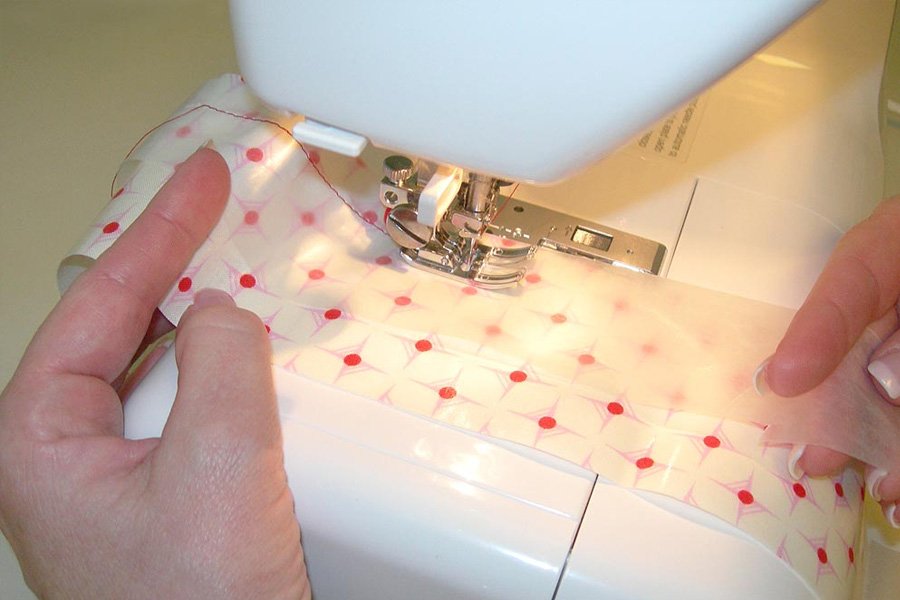
- Presser Foot:A Teflon or walking foot can help the fabric glide smoothly under the needle, reducing sticking issues.
- Clips:Instead of pins, use fabric clips to hold pieces together, as pins can create permanent holes that compromise waterproofing.
Preparing PUL Fabric for Sewing
Proper preparation is key to successful sewing with PUL fabric:
- Pre-Washing:Generally, pre-washing PUL is unnecessary and can sometimes damage the laminate. If you choose to pre-wash, use cold water and avoid harsh detergents.
- Cutting:Use sharp scissors or a rotary cutter to achieve clean edges. Employ pattern weights instead of pins to hold the fabric in place during cutting.
Sewing Techniques for PUL Fabric
Implementing the following techniques can enhance your sewing experience with PUL fabric:
- Stitch Length:Use a longer stitch length (3.0-3.5mm) to minimize the number of holes in the fabric, preserving its waterproof qualities.
- Seam Sealing:For projects requiring enhanced waterproofing, consider sealing seams with heat-activated seam tape or applying a waterproofing spray.
- Handling:Avoid excessive handling and stretching of the fabric during sewing to prevent delamination of the polyurethane layer.
Common Mistakes to Avoid
Be mindful of these common pitfalls when working with PUL fabric:
- Using Pins:Pins can create permanent holes that compromise the fabric’s waterproofing. Always use clips or fabric weights.
- High Heat:Avoid using high heat when pressing or drying PUL fabric, as it can damage the laminate. If pressing is necessary, use a low heat setting with a pressing cloth.
- Short Stitch Length:Using a short stitch length increases the number of holes in the fabric, potentially leading to leaks.
Caring for PUL Fabric
Proper care extends the life of your PUL projects:
- Washing:Machine wash in warm or cold water using a gentle detergent. Avoid fabric softeners and bleach.
- Drying:Tumble dry on low heat or line dry. High heat can damage the laminate layer.
- Storage:Store PUL fabric flat or loosely folded to prevent creasing and potential damage to the laminate.
Additional Tips for Working with PUL Fabric
While sewing with PUL fabric can present unique challenges, a few additional tricks can make your projects even more successful. If you’re struggling to get the laminate side to feed smoothly under your presser foot, consider placing a piece of tissue paper on top or underneath the fabric, then tear it away after stitching. This can help prevent “dragging” or uneven seams. Be mindful of the direction of any stretch in your PUL fabric. Some versions have a slight stretch in one direction, so aligning your pattern pieces with this grain can help create a more professional finish, especially for fitted items like diaper covers or swim diapers. Additionally, experiment with scrap pieces of PUL to test your machine settings before starting your main project. This extra step can help you avoid mistakes and achieve the right tension, stitch length, and finishing technique. For decorative finishes, you can use a zigzag or overlock stitch, but be careful not to create too many perforations. Always check the fabric manufacturer’s recommendations for laundering and using PUL fabric, as different brands may have distinct care requirements due to variations in the lamination process.
Frequently Asked Questions
- Can PUL fabric be ironed?
- It’s best to avoid direct contact with a hot iron. If pressing is required, always use a pressing cloth and the lowest possible heat setting. A burst of steam can help, but ensure the iron never comes into direct contact with the laminate side.
- Is PUL fabric safe for food?
- Most PUL fabric is food-safe (commonly used for snack bags and sandwich wraps), but confirm the safety status with your supplier before using it for any food contact projects.
- How do I repair a small hole in PUL?
- Small punctures can sometimes be patched using a scrap of PUL and a waterproof fabric glue or by applying heat-activated seam tape to cover and reseal the hole.
Creative Project Ideas Using PUL Fabric
PUL’s versatility extends beyond cloth diapers and wet bags. You can use this fabric for a variety of household and personal items that benefit from a waterproof, flexible finish. Here are some great ideas to inspire your next sewing project:
- Reusable Snack Bags:Perfect for eco-friendly lunch solutions.
- Changing Mats:Make foldable, wipe-clean mats for babies or travel.
- Swim Bags:Keep wet swimsuits separate from other belongings after swim lessons or beach trips.
- Pet Accessories:Create waterproof dog bed covers, bibs, or crate liners.
- Cosmetic Pouches:Sew simple makeup bags that resist spills and stains.
- Protective Tablecloths:Cover tables for messy crafts, meals, or outdoor picnics.
With a little creativity and knowledge of handling PUL, you can tailor it to almost any household need that requires water resistance and easy care. Don’t be afraid to combine PUL with other fabrics or try new patterns, as its durability and flexibility are sure to open up exciting sewing possibilities.
Conclusion
Sewing with PUL fabric opens up a world of possibilities for creating durable, waterproof items. By understanding its unique properties and employing the appropriate tools and techniques, you can achieve professional-quality results in your sewing projects. Whether you’re making cloth diapers, wet bags, mattress protectors, lunch bags, or reusable household products, PUL offers a practical combination of flexibility, durability, and water resistance. Taking the time to use the correct needle, presser foot, and stitching methods can help prevent damage to the waterproof layer and ensure long-lasting performance. With a little practice and attention to detail, even beginners can confidently work with this versatile material. As you gain experience, you’ll discover countless creative ways to incorporate PUL into functional and eco-friendly sewing projects that are both attractive and built to withstand everyday use.