Key Takeaways
- Check regional zoning and permit requirements before starting installation.
- Select fencing materials designed for Maryland’s unpredictable climate.
- Consistent fence maintenance preserves appearance and function.
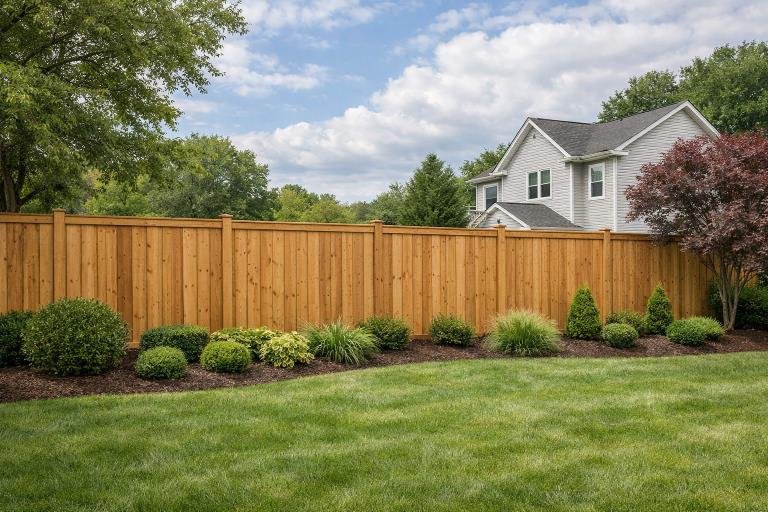
Enhancing your property with a new fence delivers benefits that go beyond simple aesthetics. In Maryland, installing the right fence brings added privacy, increased security, and a boost to curb appeal. When you opt for a solution like a custom wood fence in Bethesda, MD, it is essential to understand how local regulations, weather, and routine care affect the longevity and legal standing of your installation. From suburban neighborhoods to spacious rural lots, every Maryland homeowner can maximize their fence investment by planning ahead.
Before you begin building, understanding local property laws and climate challenges ensures your fencing project runs smoothly. Maryland’s humid summers, wet seasons, and frosty winters can put even the best fences to the test. Add in fluctuating property boundaries and neighbor expectations, and the importance of careful planning becomes clear.
Understanding Local Regulations and Permits
Every homeowner should become familiar with their county or city’s fencing rules before purchasing materials. Maryland does not have unified state-specific regulations for residential fences. Instead, statewide common law generally applies regarding property lines and shared boundaries. This means that fences along property lines may be considered jointly owned if both property owners use them, although specific rules can vary by locality. Additionally, many counties and municipalities in Maryland enforce height restrictions, often capped at six feet for backyard fences and four feet for front yards, and may require permits for certain types of fences.
Visit your local building and planning department to learn about neighborhood-specific codes, and make sure to document any permit approvals. This prevents potential legal disputes and costly modifications later on.
Choosing Materials Suited to Maryland’s Climate
The mid-Atlantic climate is tough on outdoor structures. Therefore, the material selection for your fence matters as much as the design. Common options include:
- Vinyl Fencing:Vinyl requires little upkeep, resists rot, and withstands moisture and UV exposure. Its durability makes it popular for Maryland’s changing weather conditions.
- Pressure-Treated Wood:For those who prefer a traditional look, pressure-treated wood handles humidity and insects. However, it requires regular sealing or staining to prevent warping and decay over the years.
- Aluminum Fencing:Aluminum fences are lightweight, rust-resistant, and need minimal maintenance, making them well-suited to both residential and pool areas throughout the region.
Installation Best Practices
Longevity and durability begin with expert installation. Fence post holes must be set at a depth beneath the frost line, usually 30 to 36 inches in Maryland, to prevent shifting during seasonal freeze-thaw cycles. Secure posts in concrete footings to add strength against wind and soil movement. When building with wood, purchase lumber rated for ground contact. These boards withstand moisture better and resist insect infestations.
Before you dig, always call 811 to mark underground utilities. Installing your fence in accordance with these safety guidelines reduces the risk of costly repairs or injury.
Maintenance Tips
Preserving your fence is equally as important as proper installation. Regular care increases your fence’s lifespan and maintains its value. Homeowners should inspect fences each spring and fall for damage, repair broken boards, and tighten loose fasteners. Vinyl and aluminum fences only need occasional rinsing with soap and water. Wood fences should be cleaned and either stained or sealed every few years to protect against weather damage. Remove any debris or vegetation buildup at the fence line to prevent moisture-related rot and deterioration. Consistent maintenance ensures your fence will stand solid through Maryland’s temperamental seasons.
Cost Considerations
The cost of installing residential fencing in Maryland varies greatly depending on materials, layout, and terrain. Here’s a quick look at average prices per linear foot:
- Chain Link:$10–$20
- Wood Privacy:$15–$35
- Vinyl:$20–$40
- Aluminum:$25–$75
If your design requires gates, extra height, or intricate layouts, expect your overall project cost to increase. Always consider both short-term installation costs and long-term maintenance when selecting materials.
Neighbor Relations and Property Lines
Clear communication with neighbors can prevent misunderstandings. While Maryland law does not demand boundary line surveys before installing a fence, investing in a professional survey is the most reliable way to establish property limits. This step is especially important if you plan to build directly on your shared boundary. Prioritize transparency by discussing your project plans with adjacent property owners. If disputes arise, understanding which party is responsible for repairs or maintenance is essential. In general, both owners may be equally liable if both sides make use of a boundary fence.
Conclusion
Maryland homeowners who plan carefully and follow local guidelines can expect years of privacy and protection from a quality residential fence. By investing in suitable materials, ensuring expert installation, and establishing a routine maintenance plan, any property can benefit from increased beauty and function. Taking time to communicate with neighbors, double-check regulations, and consider ongoing costs helps build a fence that adds value and reliability for years to come.