Are you tired of high energy bills? Does your home feel drafty or humid? The problem might be your insulation. Many older homes have poor insulation. This leads to wasted energy and uncomfortable rooms. But there is a better option. Closed-cell spray foam insulation is a smart choice for modern buildings. It offers superior performance in many ways. This article explores why closed-cell foam is so effective. You’ll learn about its benefits, applications, and why it’s a great investment. Understanding these facts can help you make a better decision for your home or business.
What Is Closed-Cell Spray Foam?
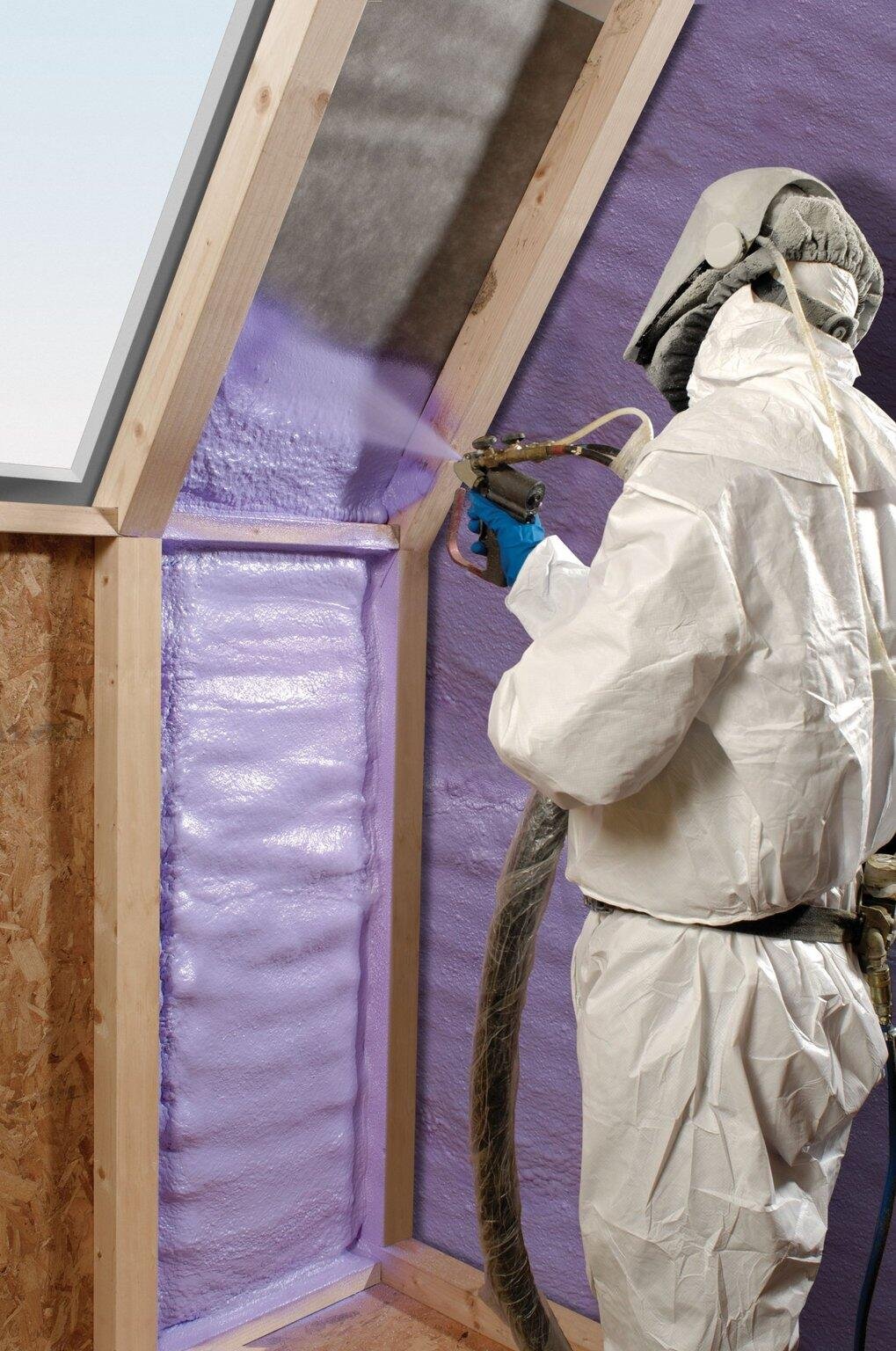
Closed-cell spray foam is a dense, rigid insulation material. It is made of polyurethane. When sprayed, it expands and hardens. The “closed-cell” name refers to its structure. Each tiny cell is filled with gas and completely sealed. This makes it strong and resistant to moisture. It also gives it a high R-value. R-value measures insulation’s ability to resist heat flow. A higher R-value means better insulation.
Why Does Closed-Cell Foam Have the Highest R-Value?
Closed-cell foam delivers R-6.5 per inch, the highest R-value per inch of any insulation product available. It bonds permanently to many surfaces, including metal, concrete, wood, and masonry. It also acts as a vapor retarder, helping stop moisture from passing through walls and roofs. No other insulation product does all these things at once, which makes it a unique and valuable material. For a deeper look at how this insulation works and where it performs best, consult a closed-cell spray foam guide or similar resource. These resources can help homeowners, builders, and contractors choose the right application for their specific project.
How Does Closed-Cell Foam Improve Energy Efficiency?
The high R-value means less heat transfer. In summer, cool air stays inside. In winter, warm air stays inside. This reduces the workload on your HVAC system. You use less energy to heat and cool your home. This leads to lower utility bills. Over time, the savings can be significant. Many homeowners notice a difference in their energy costs within the first year. Closed-cell foam also helps seal small gaps and cracks where air would normally escape. This added air barrier can make indoor temperatures more consistent from room to room. As a result, your home feels more comfortable while using less energy throughout the year.
How Does Closed-Cell Foam Protect Against Moisture?
Closed-cell foam is a Class II vapor retarder. This means it resists the passage of water vapor. It also resists bulk water. This is important in humid climates. Moisture can cause rot, mold, and structural damage. Closed-cell foam helps prevent these problems. It creates a barrier that protects your building. This is especially valuable in areas with high humidity or flood risk. By limiting moisture movement, closed-cell foam can help keep walls, roofs, and crawl spaces drier over time. It also adds an extra layer of protection around hard-to-seal areas where water vapor may enter. This helps improve the long-term durability and comfort of the home.
Does Closed-Cell Foam Add Structural Strength?
Yes, it does. Closed-cell foam bonds to surfaces and adds rigidity. It increases the racking strength of walls and roofs. This means the building can better withstand wind and other forces. This is especially important in areas prone to storms. The foam creates a composite structure that is stronger than the parts alone. This added strength is a valuable benefit.
How Does Closed-Cell Foam Seal Air Leaks?
Closed-cell foam expands to fill gaps and cracks. It creates a continuous air barrier. This stops drafts and reduces air leakage. Air leakage is a major source of energy waste. By sealing your building, you improve comfort and efficiency. You also reduce dust and allergens entering your home. This creates a healthier indoor environment.
Where Should You Use Closed-Cell Spray Foam?
Closed-cell foam is versatile. It works well in many parts of a building. It is especially useful in areas with moisture concerns.
Here are the best places to use closed-cell foam:
- Crawl spaces and rim joists
- Exterior walls
- Metal buildings
- Flood-prone areas
- Attic rooflines
- Oil and gas applications
In crawl spaces, it stops ground moisture. In exterior walls, it breaks thermal bridges. In metal buildings, it stops condensation. In flood-prone areas, it resists water damage. In attics, it provides a high R-value in thin spaces. In industrial settings, it prevents corrosion.
Closed-Cell vs. Open-Cell Spray Foam: What’s the Difference?
Many people ask about the difference. These are two different products for different uses. The choice depends on the location. It is not about which is better overall. It is about which is right for each specific area.
Choose closed-cell foam when you need:
- Maximum R-value in thin spaces
- Vapor and moisture control
- Application on metal surfaces
- Structural strength
Choose open-cell foam when you need:
- Lower-cost insulation
- Soundproofing between rooms
- Insulation in attics
- Filling large cavities
Many buildings use both products. A home might use closed-cell foam in the crawl space. It might use open-cell foam in the attic. This gives the best performance for each area. Using the right product in the right place is key.
Is Closed-Cell Spray Foam Worth the Cost?
Closed-cell foam costs more than other insulation types. It is approximately 40 to 60 percent more expensive than open-cell foam. However, it offers superior performance. The energy savings can offset the higher cost over time. The moisture protection can prevent expensive repairs. The added strength can increase building durability.
For many building owners, the benefits justify the cost. It is an investment in the long-term health of your building. Understanding these advantages helps make the decision easier.
Conclusion: A Smart Investment for Your Building
Closed-cell spray foam is a top-tier insulation choice. It offers unmatched R-value per inch. It provides excellent moisture control. It adds structural strength to buildings. It improves energy efficiency and indoor comfort. These benefits make it stand out from other options.
While it costs more upfront, the long-term benefits are significant. It can save money on energy bills. It can protect against moisture damage. It can make your building more durable. For modern homes and businesses, closed-cell spray foam is a smart investment. For more tips on improving your home, check out our other articles.