Key Takeaways
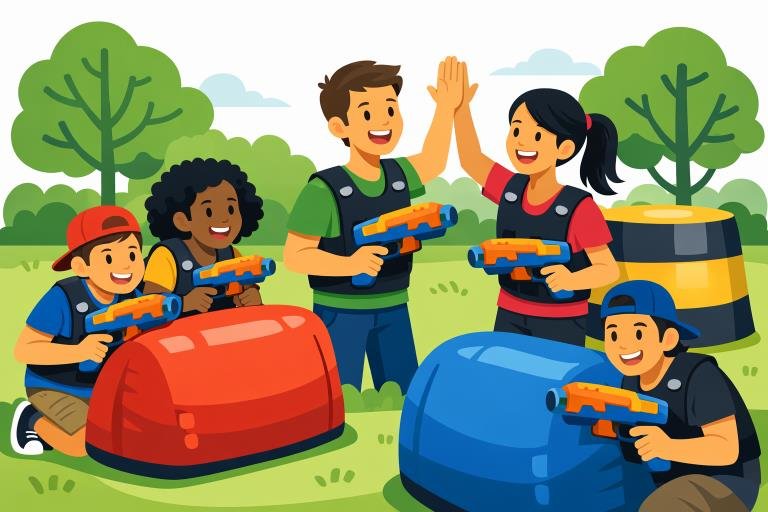
- Laser tag encourages physical activity and teamwork, enhancing social cohesion.
- Overcoming shared obstacles in the game leads to synchronized brain activity, driving deeper interpersonal bonds.
- Communication and trust flourish as participants must rely on each other to succeed.
Outdoor games have long been a foundation for fostering camaraderie and teamwork among people of all ages. Among these activities, laser tag stands out as an especially dynamic option, offering more than just thrills for its participants. Whether you are organizing a company event, a youth outing, or a laser tag birthday party, this high-energy game uniquely blends entertainment with personal and group development.
Laser tag is not only an exciting way to pass the time, but it also provides rich opportunities for participants to bond, learn, and grow together. The reasons for its effectiveness in building stronger teams and social connections run deeper than many realize. From the adrenaline rush of friendly competition to the cooperative strategies required to win, every aspect of the game contributes to a sense of connection among players.
Unlike many traditional group activities, laser tag’s fast-paced environment demands both physical movement and mental agility. Players must make quick decisions, coordinate with teammates, and adapt strategies on the fly, which creates a highly engaging experience. These elements collectively create ideal conditions for meaningful social interactions and group bonding.
Laser tag stands out for its ability to level traditional social hierarchies, allowing people from varied backgrounds and with different abilities to find common ground. This inclusivity creates a sense of unity and belonging, which is vital for any group striving for cohesion. Research presented on Psychology Today further highlights how shared goals and cooperative activities like laser tag can foster trust and break down barriers.
Physical Activity and Teamwork
Participating in laser tag requires a blend of movement, strategy, and team coordination. When players run, duck, and sprint around obstacles, they are not just burning calories but also cooperating to achieve a common objective. This synergy between physical exertion and collaboration mirrors findings in which synchronized group activities, such as dancing, were shown to enhance social connection and group cohesion.
As team members strategize and cover each other, they build a sense of partnership that carries over to other aspects of their lives. The shared victory or defeat at the end of a match helps reshape participants’ perceptions of themselves and others, cementing bonds that are difficult to form outside such high-energy settings.
Shared Challenges and Brain Synchronization
When individuals face challenges together, their brains begin to synchronize in ways that foster group unity. Research discussed by Scimex notes that activities requiring real-time teamwork can synchronize brain regions related to social interaction and communication. In laser tag, strategies must be developed and altered in response to rapid changes, pushing teams to collaborate and react as a single unit.
This neural synchronization explains why teams that participate in laser tag often report feeling more connected and in tune with each other compared to groups who engage in less immersive activities. It is the intense, shared focus that gives rise to lasting interpersonal bonds.
Improved Communication Skills
Success in laser tag depends on the group’s ability to communicate clearly and quickly. Players must relay information about opponents, share evolving tactics, and encourage one another during the game. This mirrors environments described in studies such as those highlighted by Phys.org, where shared challenging experiences enhance connection and social skills.
By fostering an atmosphere where quick, effective communication matters, laser tag contributes to the development of vital interpersonal skills that extend well beyond the arena. The intensity and excitement promote real-time feedback and swift adjustment, valuable assets for group success.
Building Trust Through Play
Allowing oneself to be vulnerable in a group setting is a key factor in building trust. Group games like laser tag offer a controlled, safe environment for participants to take social risks, openly support one another, and rely on their teammates. As noted in a New York Times article about the benefits of group games, play acts as a powerful bridge to trust, making teams stronger and more effective over time.
Encouraging Inclusivity and Collaboration
Laser tag is an inherently accessible game, welcoming players of various ages, physical abilities, and skill levels. By assigning a variety of roles and responsibilities, the activity encourages everyone to contribute to the group’s success. This inclusivity allows new friendships to blossom and ensures that every participant feels valued, which is crucial for overall group morale.
Real-Life Applications
Organizations and community groups have started integrating laser tag into their team-building routines to enhance cooperation and morale. Whether as part of professional development programs or as recreational outings, the structured yet flexible nature of laser tag promotes collaboration that can easily be translated into a workplace or classroom setting. These shared experiences often lay the groundwork for increased productivity and a positive, healthy group culture.
Conclusion
Laser tag transcends simple recreation, operating as a robust facilitator for group bonding, skill development, and interpersonal communication. From physical teamwork and shared goals to improved trust and a sense of inclusivity, the benefits extend far beyond the duration of the game itself. Incorporating activities like laser tag into group settings can spark lasting connections and build more cohesive, empowered teams.