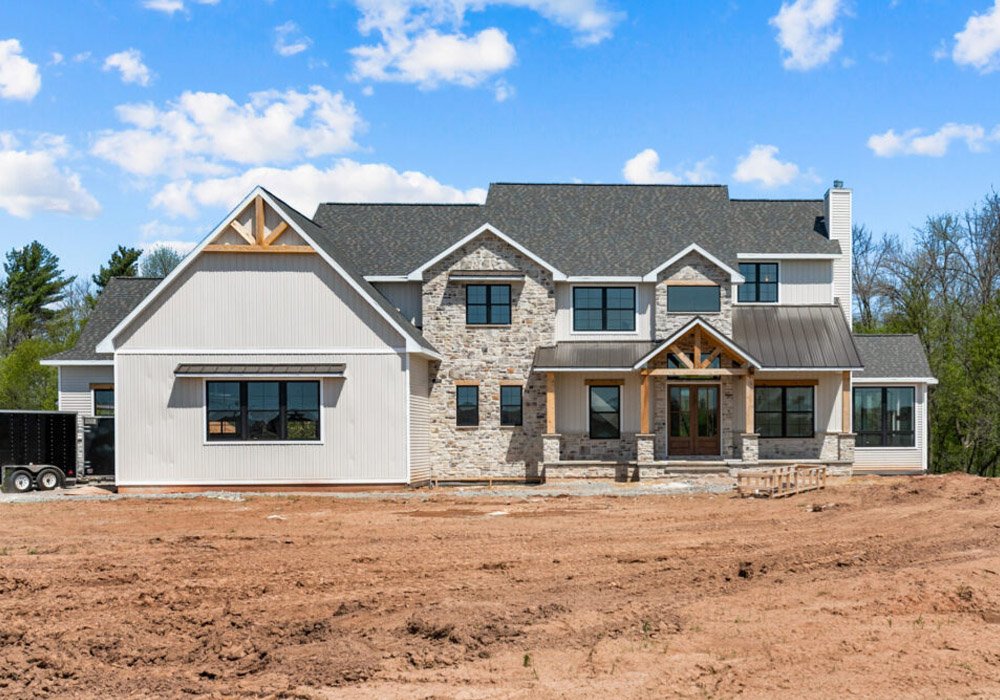
Embarking on the journey of building custom homes is both thrilling and complex. With careful preparation and informed decisions, you can turn your vision into reality while ensuring a smooth, organized experience. This long-form guide breaks down the major steps and considerations for planning a custom home that reflects your lifestyle and stands the test of time. From defining what you truly want to enlisting the best team for your project, setting a budget, and understanding how the building process works, every stage matters. Building your own home offers unique opportunities for personalization and future-proofing, but the road from dream to finished structure is full of decisions and details. Carefully following best practices can help you sidestep common pitfalls and disappointment. In addition to new builds, if you’re considering updating your existing home, professional home renovations can also help you achieve a space that suits your needs with modern style and functionality.
Define Your Vision
The first step in building a custom home is clarifying your goals and lifestyle requirements. Think about how you live now and how your needs might evolve in the future. This includes the number of bedrooms and bathrooms, preferred floor plans, and special features such as home offices or playrooms. Visual inspiration can help here, so explore websites like Architectural Digest to find designs that resonate with you. The more detail you provide at this stage, the smoother future steps will be.
Set a Realistic Budget
Developing a comprehensive and realistic budget is essential for a successful project. Your budget should factor in land acquisition, professional design and engineering fees, permits, construction materials and labor, interior finishes, landscaping, and a contingency fund for unexpected costs.
Assemble Your Team
A custom home is only as good as the professionals behind it. Begin by teaming up with a reputable architect who can turn your ideas into a workable plan. You will also need a reliable builder to handle the construction and a skilled interior designer to guide you through selecting durable, stylish materials and finishes. Having the right experts prevents common problems and ensures quality artistry. Consider referrals, reviews, and experience with similar projects when choosing your team.
Select the Perfect Location
Your lot is the foundation for every decision you make about your home’s design and features. Evaluate local amenities, school districts, and commuting distances when choosing a site. Consider how the land’s slope, soil quality, and natural features could impact your project’s feasibility and cost. It is important to research local zoning laws, which can affect what you’re allowed to build and influence future resale value.
Design Your Home
Collaboration with your architect is crucial for transforming dreams into blueprints. Prioritize factors such as maximizing natural light, improving energy efficiency, creating functional flows, and planning for potential lifestyle changes. Sustainable materials and modern technology (like smart home integrations and energy-saving systems) can reduce utility bills and environmental impact over time. Thoughtful design leads to a home that is comfortable, beautiful, and adaptable.
Navigate Permits and Approvals
Before construction can begin, you must secure all required permits from your local municipality. This stage often takes longer than expected, so it’s wise to start early and consult your professionals about regional requirements. Your plans must comply with zoning laws and building codes to avoid fines or delays. Ensuring proper approval upfront also helps protect your investment.
Plan the Construction Phase
Work with your builder to outline a construction schedule that includes milestones and payment phases. Regular meetings and site visits allow for monitoring progress and proactively addressing concerns. Communication between all team members keeps everyone aligned, reducing the risk of missteps and delays. Staying involved during this stage helps you safeguard both quality and budget.
Prepare for Move-In
As completion nears, carefully inspect each aspect of your new home to ensure everything meets your standards. Prepare a final punch list for any outstanding items and confirm that all systems are operational. Arrange for utility connections and finalize home insurance. Early planning for move-in day, including scheduling movers and purchasing furniture, will help you transition efficiently into your new, customized space. With thorough planning and trusted experts, you can successfully navigate the complexities of custom home building and create a space that truly feels like home. By following the outlined steps, you are well on your way to a rewarding, tailored experience that reflects your personal vision and responds to your family’s unique needs.
Conclusion
Building a custom home is a rewarding journey that requires thoughtful planning, realistic budgeting, and collaboration with experienced professionals. By defining your vision, selecting the right location, and staying involved throughout the design and construction process, you can create a home that reflects your lifestyle and supports your future needs. Every decision, from the floor plan to the finishing touches, contributes to a space that is both functional and uniquely personal. With careful preparation and a trusted team, your custom home can provide lasting comfort, value, and enjoyment for many years to come.