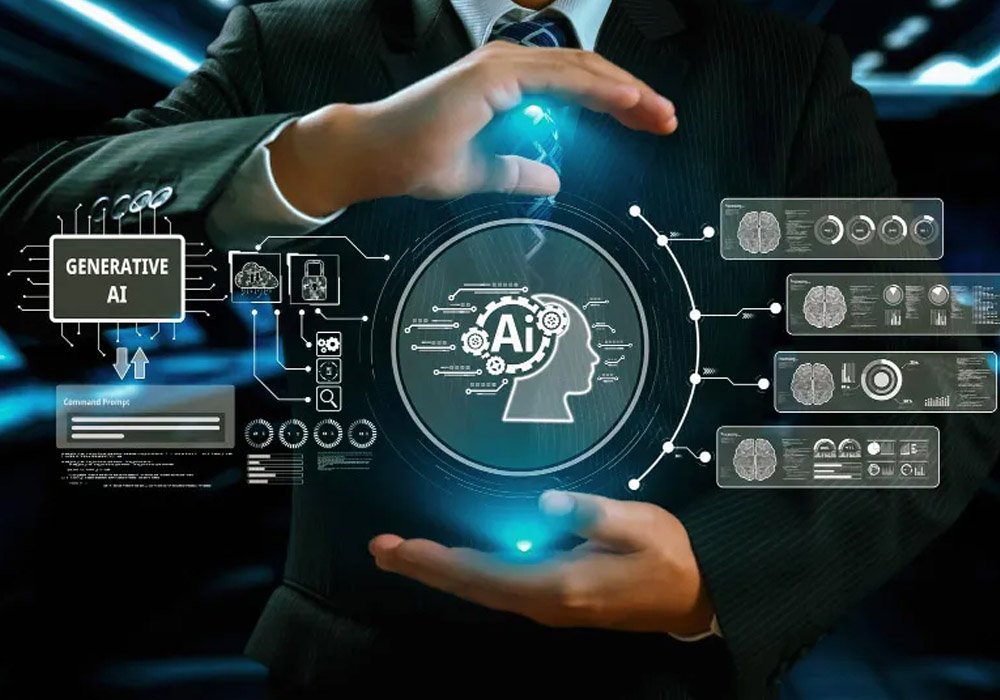
Artificial Intelligence (AI) has moved from the realm of science fiction into a practical, game-changing tool for organizations across every sector. Whether used to automate paperwork, manage customer inquiries, or analyze complex datasets for actionable insights, AI is now a central pillar of modern companies’ evolution. For many businesses seeking to stay competitive, working with an AI consultant provides expert guidance on system integration, strategy development, and the full potential of AI-driven tools. As adoption spreads, understanding the complete landscape of AI’s influence is essential.
Industries from retail to energy are investing significant resources in artificial intelligence, but the journey comes with its own set of challenges, misconceptions, and incredible opportunities. Recognizing both the benefits and challenges of AI implementation can help organizations overcome roadblocks and achieve transformative outcomes. By looking at case studies, common hurdles, and expert strategies, businesses can prepare for a future where AI is not just a tool but a critical driver of innovation.
Current State of AI Adoption
AI implementation is accelerating at an impressive rate. According to recent reports, around 20% of U.S. businesses have already integrated AI technologies, and this number is expected to rise to 22.3% within the next six months. However, for many, AI adoption is still mainly used for focused, specific functions rather than for fully transformative solutions. Most companies use AI to automate recurring tasks or enhance decision-making in certain departments, leaving ample room for broader innovation and integration.
This trend is mirrored across industries. Enterprises see AI as a necessary investment, promising immediate gains in efficiency and long-term returns. As company leaders learn from early adopters, confidence in AI’s potential continues to grow.
Benefits of AI Integration
AI’s role in business is multifaceted, driving improvements in productivity, insight, and customer engagement. By automating repetitive tasks, AI enables employees to focus on high-impact projects, thus increasing overall efficiency. Data-driven decision-making is another valuable benefit, as AI tools can sift through massive datasets and provide actionable analytics that humans might otherwise miss. Furthermore, AI-powered chatbots and personalization engines create a smoother, more engaging customer experience, leading to greater satisfaction and retention.
- Enhanced Productivity:Automation tools reduce time spent on manual processes.
- Data-Driven Decisions:Large datasets are turned into clear business insights.
- Improved Customer Relations:AI enables instant support and tailored recommendations.
Challenges in Implementing AI
Yet, AI integration is far from straightforward. Only a small fraction of organizations, about 5%, report that their data is fully prepared to support AI initiatives, representing a significant bottleneck for many. In addition, unexpected costs often arise. More than 80% of IT leaders in the UK noted unplanned AI-related expenditures over the past year, catching many budgets off guard. Employees also face the challenge of adapting to these new systems, in some cases spending over six hours a week handling tasks such as ‘bot-sitting’, which involves correcting errors and supplying missing context.
- Data Readiness:Data preparation and integration remain top concerns.
- Budget Overruns:Companies underestimate the ongoing costs tied to AI adoption.
- Employee Transition:Significant time is spent making AI tools work as intended.
Strategies for Successful AI Integration
Developing a comprehensive strategy is vital. Businesses should clarify their AI goals and ensure they align with broader company priorities. Investment in data infrastructure is also necessary. This includes cleaning, standardizing, and governing data to maximize its usability for AI systems. Promoting a culture of AI literacy throughout the organization is key; this way, employees remain engaged and feel empowered to work alongside AI solutions. Finally, establishing strong governance policies helps to manage risk and regulatory compliance, securing long-term success and public trust.
- Define Goals:Align AI initiatives with clear business objectives.
- Strengthen Data Foundations:Prioritize high-quality, accessible data.
- Build AI Fluency:Invest in staff training and encourage a collaborative culture.
- Enforce Governance:Monitor risk and adhere to evolving regulations.
Real-World Examples of AI Integration
There are numerous examples of companies that have successfully leveraged AI. In retail, nearly half of the leading brands use AI every week, integrating advanced algorithms into customer data platforms and predictive models. These tools help drive customer loyalty and improve the accuracy of inventory forecasts. In the energy industry, AI now performs tasks such as monitoring grid health and predicting renewable generation gaps, tasks previously managed by teams of analysts. These upgrades help companies meet the challenges of fluctuating demand and weather-driven disruptions.
Future Trends in AI Adoption
AI is on track to move far beyond simple automation. The next era will see machine learning and AI tools serving as autonomous participants in critical business processes. Real-time data usage and predictive intelligence will increasingly guide decision-making, supporting fast, proactive responses rather than just reactive actions. As industries embrace this trend, AI will become as fundamental to business operations as email or cloud computing is today.
Conclusion
The integration of artificial intelligence into daily business activities offers exciting opportunities alongside unique challenges. By understanding the current state of AI, addressing critical obstacles, and deploying robust implementation strategies, organizations can reap remarkable benefits and achieve sustainable growth. The journey to AI maturity is ongoing, but those willing to invest in readiness, governance, and employee training are most likely to lead in the age of intelligent automation.