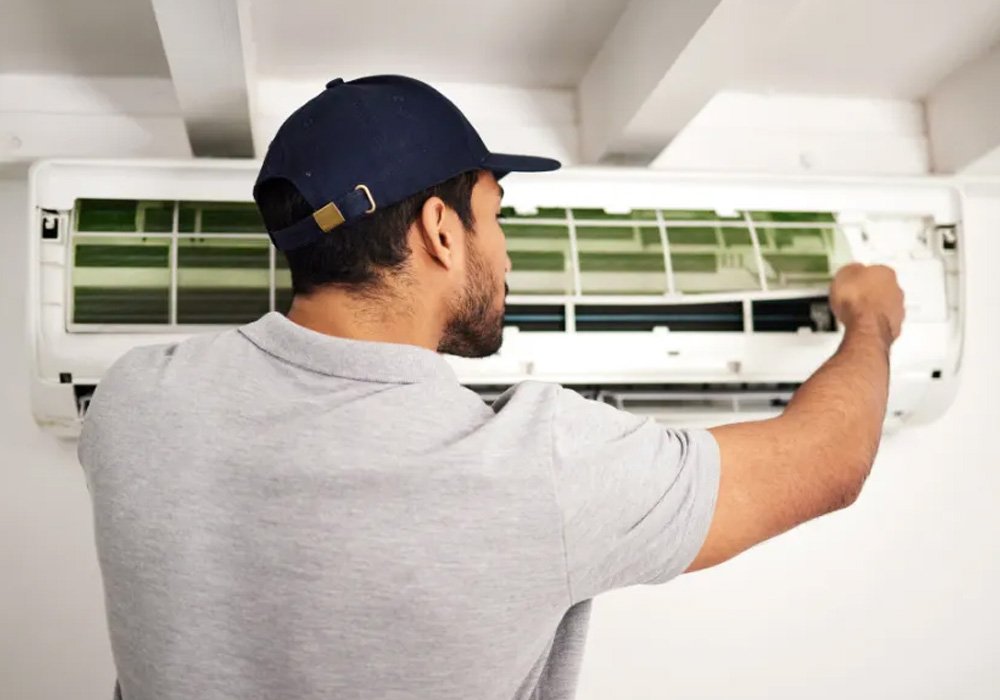
Scheduling repair work for your AC system helps maintain its performance and prolong its lifespan. It is a preventive measure that can reduce constant breakdowns caused by delayed repairs. When you should schedule these repairs depends on several factors; this includes the condition of your AC system. Here are some reasons to schedule AC repair to maintain your system’s performance:
Address Refrigerant Leaks
Low refrigerant levels affect cooling performance, and they sometimes indicate a leak in your system. Technicians may use electronic leak detectors and digital diagnostic equipment to locate the source before beginning repairs. Accurate testing helps restore proper cooling without replacing unnecessary components.
After your technician identifies the leak location, the damaged section may be repaired before refrigerant is added. A loose service valve sometimes reduces refrigerant pressure and affects indoor cooling. System pressure testing also confirms that the repair is complete and supports reliable performance.
Resolve Frozen Coils
Frozen evaporator coils can develop when airflow becomes restricted or refrigerant levels drop below normal operating conditions. Ice buildup also limits heat transfer, and it reduces cooling throughout your home. Professional diagnosis identifies the underlying cause before AC repair work begins. Inspecting the following may help technicians resolve frozen coil problems correctly:
- Evaporator coil: Technicians check the coil for ice buildup and physical damage, making sure it transfers heat correctly.
- Airflow: Closed vents or blocked return air pathways reduce airflow across the evaporator coil.
- Filter condition: Dirty air filters limit airflow and contribute to frozen coils.
- Refrigerant levels: Low refrigerant pressure sometimes causes evaporator temperatures to drop below freezing.
Monitor Cooling Performance
Reduced cooling performance is often one of the first signs that your system requires professional attention. Your home may take longer to reach the thermostat setting even though the air conditioner continues running. Warm air from supply vents sometimes indicates refrigerant loss, airflow restrictions, or failing components. These changes suggest it is time to schedule an inspection before cooling performance declines further. Once your technician evaluates the system, they may compare temperature readings, airflow, and refrigerant pressure to identify the source of the problem. Performance testing also confirms whether the system is operating within normal specifications after repairs.
Diagnose Electrical or Airflow Problems
Electrical faults sometimes prevent your air conditioner from completing a normal cooling cycle. A failing capacitor, damaged wiring, or worn contactor may interrupt system operation. Technicians inspect electrical components with professional diagnostic equipment, and they’re able to replace failed parts.
Low airflow may occur if filters are clogged or ducts do not allow adequate airflow. Your technician thoroughly checks airflow throughout the system before making repair recommendations. During normal use, balanced airflow helps distribute conditioned air throughout each room.
After airflow testing begins, blower performance and vent delivery are evaluated as part of the diagnostic process. If your blower motor is damaged, it could reduce airflow to the upstairs rooms. Duct inspections also pinpoint restrictions that have the potential to negatively affect system performance.
Schedule AC Repair
Timely repairs help maintain cooling performance while supporting the long-term operation of your air conditioning system. Professional inspections also identify developing issues before they affect additional system components. AC repair offers an accurate diagnosis and targeted solutions; it helps restore reliable cooling throughout your home. Contact a qualified HVAC contractor today to schedule AC repair services for your property.