Introduction
When we think about comfort in our homes, we often focus on temperature, but the quality of the air we breathe plays an even more crucial role in our daily lives. Many of us spend up to 90% of our time indoors, where the air can be two to five times more polluted than outside. This hidden problem can impact our health, comfort, and overall well-being. Understanding and improving our indoor air quality (IAQ) is key to creating healthier living spaces.
In this guide, we will explore what indoor air quality means, identify common pollutants, and reveal how poor air affects our short-term and long-term health. We will also dive into the benefits of clean air, from better sleep and fewer allergies to improved mood and focus. Finally, we will share practical steps and advanced HVAC solutions to help you achieve a cleaner, more comfortable home environment. To learn more about comprehensive solutions, consider exploring our main services page or contact us today for personalized advice.
Understanding Indoor Air Quality and Its Impact on Health
Indoor Air Quality (IAQ) refers to the air within and around buildings. It directly impacts the health and comfort of everyone inside. Our homes are not sealed environments. Air exchange rates describe how often outdoor air replaces indoor air. Unfortunately, pollutant concentrations can remain high for long periods due to various sources and poor ventilation. Fine particulate matter, for instance, can reach deep into our lungs, irritating or even damaging delicate alveoli and lung tissue. For more insights into maintaining a healthy indoor environment, visit Thompson’s clean air HVAC solutions.
Primary Sources of Indoor Pollution
Many things in our homes can make the air unhealthy. Understanding these sources is the first step toward controlling them.
- Combustion Pollutants:These are gases and particles released when fuels are burned. Common sources include unvented gas stoves, fireplaces, wood-burning stoves, kerosene heaters, and even candles. These can release carbon monoxide (CO), nitrogen dioxide (NO2), and fine particulate matter, all of which are harmful to respiratory health.
- Volatile Organic Compounds (VOCs):These are gases emitted from certain solids or liquids. VOCs are found in a surprising number of household products, including paints, varnishes, cleaning supplies, air fresheners, pesticides, and even new furniture and carpeting. They can off-gas into your indoor environment for extended periods.
- Formaldehyde:A specific type of VOC, formaldehyde is commonly found in pressed-wood products (like particleboard and plywood), glues, adhesives, and some fabrics. It can cause eye, nose, and throat irritation.
- Pet Dander:Tiny flakes of skin shed by pets, along with their fur and dried saliva, are potent allergens. These microscopic particles can remain airborne for long periods and accumulate in carpets, upholstery, and bedding.
- Mold Spores:Mold thrives in damp, humid environments. Spores are released into the air and can trigger allergic reactions, asthma attacks, and other respiratory problems. Common places for mold growth include bathrooms, basements, and areas with water leaks.
- Dust Mites:These microscopic insects feed on shed human skin flakes and thrive in warm, humid conditions. They are commonly found in mattresses, pillows, carpets, and upholstered furniture, and their waste products are a major allergen.
- Radon Gas:A naturally occurring radioactive gas, radon seeps into homes from the soil through cracks in foundations and other openings. It is colorless, odorless, and tasteless, making it undetectable without testing. The EPA states that radon is the leading cause of lung cancer among non-smokers and the second leading cause overall.
- Secondhand Smoke:Smoke from tobacco products contains thousands of chemicals, many of which are toxic and carcinogenic. Even after a cigarette is extinguished, these harmful particles can linger in the air and on surfaces (thirdhand smoke), posing significant health risks to occupants.
Short-Term vs. Long-Term Health Effects
The impact of poor indoor air quality can range from immediate discomfort to severe, chronic conditions.
- Immediate Irritation:Short-term exposure often results in irritation of the eyes, nose, and throat, along with headaches, dizziness, and fatigue. These symptoms are sometimes collectively referred to as “sick building syndrome” when they occur in office environments. For individuals with existing respiratory conditions, such as asthma, poor IAQ can trigger immediate and severe symptoms, including coughing, wheezing, and shortness of breath.
- Asthma Triggers:Common indoor pollutants like dust mites, mold spores, pet dander, pollen, and VOCs are powerful asthma triggers, leading to increased frequency and severity of attacks.
- Chronic Bronchitis:Long-term exposure to airborne irritants can lead to chronic inflammation of the airways, resulting in persistent coughing and mucus production.
- Cardiovascular Disease:Fine particulate matter (PM2.5) is small enough to enter the bloodstream, causing inflammation and increasing the risk of heart attacks, strokes, and other cardiovascular problems. Daily use of air purifiers has been shown to improve vascular health by reducing exposure to these particles.
- Impaired Lung Development:Children are particularly vulnerable to poor IAQ. Long-term exposure can impair lung development, making them more susceptible to respiratory infections and chronic lung diseases later in life.
- Cognitive Function and Mental Fog:Stagnant, polluted air can reduce oxygen balance and lead to a build-up of carbon dioxide, resulting in mental fog, decreased concentration, and reduced productivity. Studies have shown that improved IAQ can enhance cognitive performance and decision-making.
- Weakened Immune System:Constant exposure to allergens, pathogens, and irritants can place a continuous burden on the immune system, potentially weakening its ability to fight off infections.
- Poor Sleep Quality:Stuffy rooms or the presence of airborne irritants can lead to restlessness, congestion, or snoring, fragmenting sleep and causing morning fatigue despite adequate time in bed.
The Role of Proper Ventilation in Modern Homes
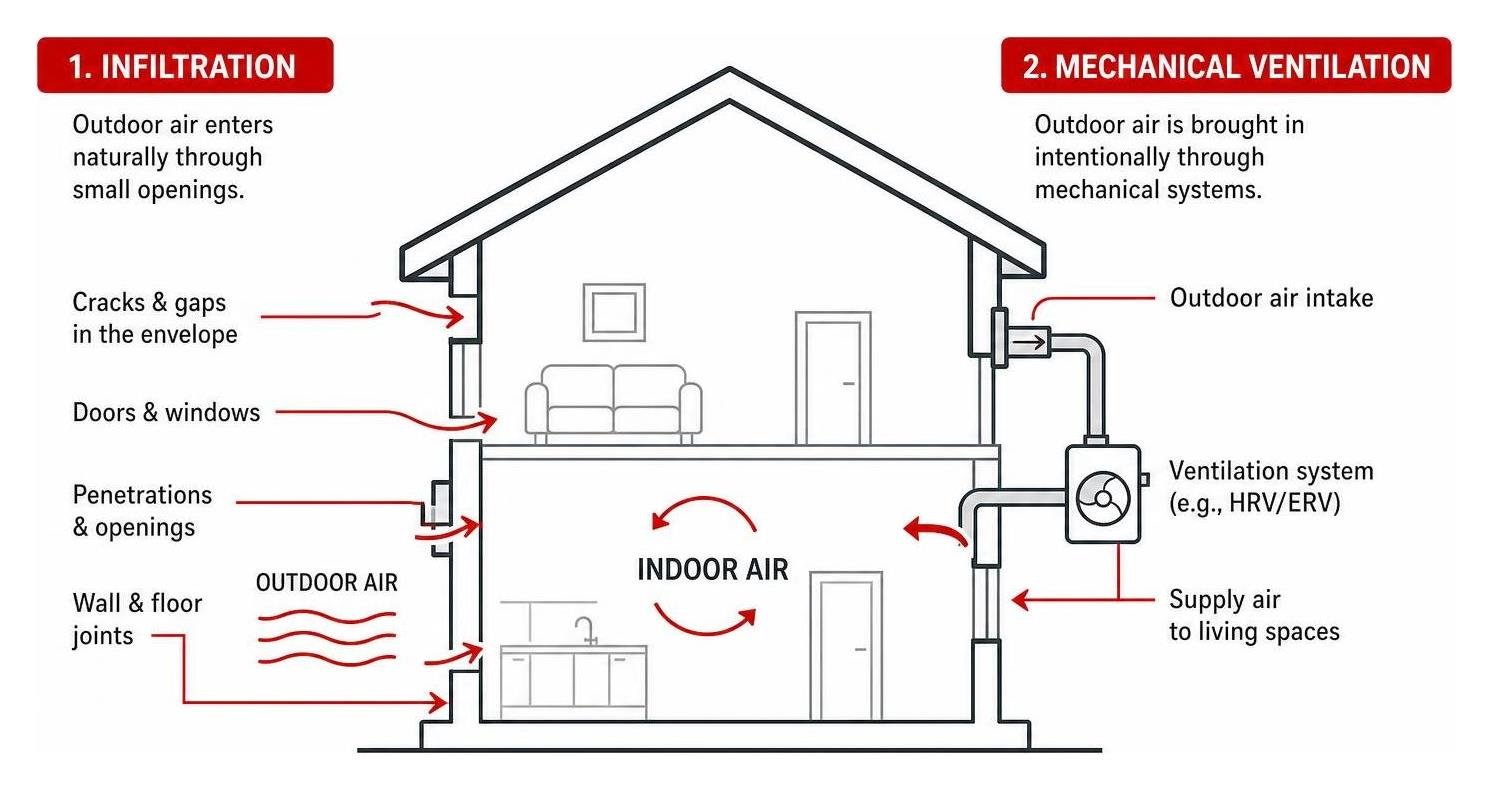
Modern homes are increasingly built with tight building envelopes designed for energy efficiency. While this is excellent for keeping conditioned air in and utility bills down, it inadvertently limits natural air exchange. This can lead to stagnant air, higher concentrations of indoor pollutants, and increased moisture levels. Proper ventilation is crucial for diluting these pollutants, controlling humidity, reducing carbon dioxide levels, and continuously bringing in fresh outdoor air. We rely on both natural ventilation, such as opening windows and doors, and mechanical ventilation systems that use fans and ductwork to manage airflow. Advanced solutions like heat recovery ventilators (HRVs) not only introduce fresh air but also recover energy from the outgoing stale air, making them highly efficient.
How Inadequate Ventilation Harms Your Home
When air doesn’t circulate effectively, the consequences extend beyond health, directly impacting the structural integrity and comfort of your home.
- Condensation and Window Moisture:A common sign of poor ventilation is excessive condensation on windows, especially during colder months. This moisture can lead to mold growth on window sills and frames, and eventually damage the window structure itself.
- Musty Odors:Persistent musty smells often indicate the presence of mold or mildew, particularly in damp areas like basements, bathrooms, or poorly ventilated closets.
- Peeling Paint and Wallpaper:Moisture trapped behind walls due to inadequate ventilation can cause paint to peel and wallpaper to bubble, leading to costly repairs.
- Structural Mold:Beyond surface mold, chronic dampness can lead to mold growth within walls, ceilings, and flooring, potentially compromising structural materials and requiring extensive remediation.
- Warped Wood:High humidity levels can cause wooden floors, doors, and cabinets to swell, warp, or crack, affecting their appearance and functionality.
- Uneven Temperature Consistency:Poor airflow can result in hot and cold spots throughout your home, making it difficult to maintain a consistent, comfortable temperature, even with a well-functioning HVAC system.
- Pest Attraction:Damp, stagnant environments created by poor ventilation can attract unwanted pests, including insects and rodents, further compromising home hygiene.
Enhancing Airflow with Modern HVAC Solutions
Improving airflow within your home is a cornerstone of good indoor air quality. Modern HVAC systems offer several solutions to achieve this.
- Exhaust Fans:Properly sized and vented exhaust fans in kitchens and bathrooms are critical. Kitchen fans remove cooking fumes, odors, and moisture, while bathroom fans quickly vent steam and humidity generated by showers, preventing mold and mildew growth.
- Balanced Airflow:Ensuring that the amount of fresh air brought into your home roughly equals the amount of stale air exhausted is key to maintaining balanced airflow. This prevents negative or positive pressure imbalances that can draw in unfiltered outdoor air or push conditioned air out.
- Fresh Air Intake Systems:Dedicated fresh air intake systems, often integrated with your HVAC unit, bring in a controlled amount of filtered outdoor air. This is especially important in modern, airtight homes where natural infiltration is minimal.
- Continuous Circulation:Running your HVAC fan continuously at a low speed helps to mix the air throughout your home, preventing stagnation and ensuring that the air passes through your filtration system more frequently.
- System Upgrades:Older HVAC systems may not be equipped to handle the demands of modern filtration or ventilation. Upgrading to a newer, more efficient system can significantly improve airflow and air quality.
- Variable-Speed Blowers:These advanced components offer precise control over airflow, allowing your HVAC system to run more quietly and efficiently while maintaining consistent air circulation and filtration.
- Duct Sealing:Leaky ducts can waste a significant amount of conditioned air and draw in unfiltered air from unconditioned spaces like attics or crawl spaces. Sealing your ducts ensures that air flows efficiently to where it’s needed and prevents the introduction of unwanted pollutants.
Advanced Filtration and Purification HVAC Solutions
Beyond basic air circulation, advanced HVAC systems incorporate sophisticated filtration and purification technologies to actively remove pollutants from your indoor environment.
- HEPA Filters:High-Efficiency Particulate Air (HEPA) filters are the gold standard for particle removal. They are designed to capture 99.97% of airborne particles as small as 0.3 microns. This includes common allergens like pollen, dust mites, pet dander, mold spores, and even fine particulate matter from smoke.
- MERV Ratings:The Minimum Efficiency Reporting Value (MERV) rating indicates a filter’s ability to capture larger particles. A higher MERV rating (typically 8-13 for residential use) means better filtration. While HEPA filters are ideal, many residential HVAC systems can’t accommodate them without modifications. We can help you find the highest MERV rating your system can handle without restricting airflow.
- Electrostatic Filters:These filters use static electricity to attract and trap airborne particles. They can be very effective and are often washable, offering a reusable option.
- Activated Carbon Filters:While HEPA and MERV filters excel at particle removal, activated carbon filters are specifically designed to absorb gaseous pollutants, odors, and VOCs. They are highly effective at removing smells from cooking, pets, and chemicals.
- UV Light Technology:Ultraviolet (UV-C) lamps can be installed within your HVAC system, typically near the evaporator coil. The UV light neutralizes bacteria, viruses, and mold spores as they pass through, preventing their growth within the system and distributing them throughout your home.
- Whole-Home Air Purifiers:These systems integrate seamlessly with your existing HVAC ductwork, purifying all the air that circulates through your home. They often combine multiple technologies, such as HEPA-level filtration, activated carbon, and UV-C light, for comprehensive air cleaning.
Combatting Seasonal and Environmental Allergens
Advanced filtration and purification solutions are particularly effective in mitigating the impact of allergens and environmental threats that compromise our health.
- Winter Allergies:During colder months, we tend to keep windows closed, trapping indoor allergens like dust mites, pet dander, and mold. Whole-home air purifiers continuously filter these irritants, providing significant relief from symptoms like sneezing, coughing, and itchy eyes.
- Pollen:While primarily an outdoor allergen, pollen can easily enter our homes. High-efficiency filters effectively capture pollen particles, reducing indoor concentrations, especially during peak seasons.
- Dust Mites:By filtering out dust mite allergens and helping to control humidity, these systems create an environment less hospitable to these microscopic pests.
- Pet Dander:Pet dander particles are notoriously small and light, remaining airborne for extended periods. HEPA-level filtration is highly effective in removing pet dander, making homes more comfortable for allergy sufferers.
- Wildfire Smoke:With increasing concerns about wildfire smoke, advanced filtration, especially systems combining HEPA and activated carbon, becomes critical. These filters can capture the fine particulate matter (PM2.5) and gaseous pollutants found in smoke, protecting respiratory health.
- Vascular Health:Research indicates that reducing exposure to fine particulate matter through consistent air purification can lead to modest improvements in vascular health, particularly for individuals with respiratory or heart conditions.
- Improved Sleep Quality:Cleaner air means fewer irritants to disrupt breathing, leading to more restful and longer sleep durations. Studies have shown that consistent use of air purifiers can improve sleep quality, including longer sleep duration and more time spent in bed.
- Stronger Immune Support:By continuously removing airborne pathogens, allergens, and irritants, our immune systems are less burdened, allowing them to function more effectively and potentially reducing the frequency and severity of illnesses.
Best Practices for Maintaining HVAC Filtration
To ensure your advanced filtration and purification systems operate at their peak, consistent maintenance is essential.
- Filter Replacement:We recommend replacing your HVAC air filters every 1 to 3 months. Factors such as the presence of pets, allergies, the number of occupants, and outdoor air quality can necessitate more frequent changes. A dirty filter restricts airflow, forcing your HVAC system to work harder and reducing its effectiveness in cleaning the air.
- Duct Cleaning:Professional duct cleaning is generally recommended every 3 to 5 years. However, if you notice excessive dust, visible mold, or persistent musty odors, or if you’ve recently completed a renovation, it may be beneficial to schedule cleaning sooner. This removes accumulated dust, allergens, and debris from your ductwork.
- System Inspections:Annual professional HVAC system inspections are crucial. During these checks, technicians assess the overall health and efficiency of your system, including all air quality components. They can identify potential issues before they become major problems.
- Coil Cleaning:The evaporator and condenser coils within your HVAC system are critical for heat exchange. When they become dirty, efficiency drops, and they can become breeding grounds for mold and bacteria. Regular professional cleaning prevents this.
- Source Control:While filtration is powerful, it’s always best to address pollutants at their source first. This includes proper ventilation during cooking, using exhaust fans, minimizing VOC-emitting products, and managing humidity to prevent mold growth.
- Humidity Control:Maintaining indoor humidity levels between 30% and 50% is vital. Too high, and you risk mold and dust mite proliferation; too low, and you can experience dry skin, irritated airways, and static electricity. Whole-home humidifiers or dehumidifiers can help achieve this balance.
- Regular Cleaning Routines:Complement your HVAC filtration with consistent household cleaning. Vacuum regularly with a HEPA-filter vacuum, dust surfaces with microfiber cloths, and wash bedding weekly in hot water to minimize dust mites and pet dander.
Daily Comfort, Mood, and Lifestyle Benefits of Clean Air
The advantages of clean air extend far beyond preventing illness, profoundly influencing our daily comfort, mood, and overall lifestyle.
- Respiratory Comfort:When the air is clean, our bodies don’t have to work as hard to filter out irritants. This respiratory comfort allows our bodies to operate at their baseline, conserving energy that can then be used for focus, movement, and rest, rather than constantly compensating for poor air conditions.
- Stress Reduction and Emotional Calm:Breathing clean, fresh air can have a calming effect. When our physical environment feels supportive and free of unseen threats, our bodies interpret this as a safe space. This can lead to a reduction in stress hormones and a greater sense of emotional steadiness and well-being.
- Enhanced Mental Focus and Energy Levels:Stagnant air and airborne pollutants can contribute to “mental fog,” making it difficult to concentrate. Clean air, with optimal oxygen balance and reduced irritants, supports clearer thinking, improved cognitive function, and sustained energy throughout the day. We wake up feeling more refreshed and maintain that alertness.
- Improved Sleep Duration and Quality:The quality of the air in our bedrooms significantly impacts how well we sleep. Stuffy rooms or the presence of allergens and irritants can lead to congestion, restlessness, and fragmented sleep. Clean air promotes easier, more natural breathing, resulting in deeper, more restorative sleep and fewer instances of snoring or waking during the night.
- Odor Elimination:Clean air means fresher-smelling rooms. Advanced filtration systems, particularly those with activated carbon, effectively absorb and neutralize odors from cooking, pets, cleaning products, and general indoor activity, making your home a more pleasant place to be.
- Reduced Dust and Cleaner Home:By continuously filtering airborne particles, clean air systems significantly reduce the amount of dust that settles on surfaces. This translates to less frequent cleaning, a visibly cleaner home, and less exposure to dust in general.
- Enhanced Productivity:Whether working from home or simply engaging in daily activities, improved cognitive function and sustained energy levels fostered by clean air can lead to greater productivity and enjoyment of our living spaces.
- Overall Sense of Well-being:Living in an environment with clean, fresh air contributes to a pervasive sense of peace, comfort, and security. It’s a foundational element for a healthy and enjoyable home life.
Frequently Asked Questions About HVAC Solutions
We often encounter common questions about how HVAC systems can contribute to better indoor air quality. Here are some of the most frequent inquiries:
What is the difference between whole-home air purifiers and portable units?
The primary distinction lies in their coverage and integration. A whole-home air purifier is integrated directly into your existing HVAC system’s ductwork. This means that every time your heating or cooling system runs, the air circulating throughout your entire home passes through the purification unit, cleaning the air in all rooms consistently. These systems are typically more powerful, quieter (as they operate within the ductwork), and require less user intervention.
Portable air purifiers, on the other hand, are standalone units designed to clean the air in a single room or a limited area. While effective for localized purification, they only impact the air quality in the immediate vicinity where they are placed. To achieve whole-home air purification with portable units, you would need multiple units, which can be less efficient and more costly in the long run. Whole-home systems offer a more comprehensive and seamless approach to improving IAQ throughout your entire living space.
How often should I replace my home’s HVAC air filters?
We generally recommend replacing your HVAC air filters every 1 to 3 months. However, this timeframe can vary significantly based on several factors:
- Presence of Pets:Homes with furry pets will accumulate dander and hair in filters more quickly, necessitating more frequent changes (monthly).
- Allergies or Asthma Sufferers:If anyone in your household has allergies or asthma, changing filters monthly can significantly reduce airborne triggers.
- Occupancy:Homes with more residents tend to generate more dust and particles, requiring more frequent filter replacements.
- Outdoor Air Quality:If you live in an area with high outdoor pollution (e.g., near construction, heavy traffic, or during wildfire season), your filters may need to be changed more often.
- Filter Type:Higher MERV-rated filters, while more effective, can sometimes become clogged faster due to their ability to capture smaller particles.
- System Usage:If your HVAC system runs almost continuously, filters will need more frequent replacement than if it runs only occasionally.
Regularly checking your filter every month will help you determine the best schedule for your specific home. A dirty filter not only compromises air quality but also restricts airflow, forcing your HVAC system to work harder, which can lead to increased energy consumption and premature system wear.
Can improving my HVAC system’s airflow help reduce my energy bills?
Yes, absolutely. There is a direct and significant link between optimal HVAC system airflow and energy efficiency. When your HVAC system has proper airflow, it operates more efficiently because it doesn’t have to work as hard to heat or cool your home.
Here’s how improved airflow contributes to lower energy bills:
- Reduced Strain on Equipment:Dirty filters, blocked vents, or leaky ducts restrict the flow of air. This forces your system’s fan and compressor to work harder and longer to achieve the desired temperature, consuming more energy in the process. Clean filters and unobstructed airflow allow the system to operate with less strain.
- Efficient Heat Exchange:Proper airflow ensures that air passes over the heating and cooling coils efficiently. If airflow is restricted, heat transfer is less effective, meaning your system has to run for longer periods to condition the air to your thermostat setting.
- Consistent Temperatures:Good airflow distributes conditioned air evenly throughout your home, eliminating hot and cold spots. This reduces the need to constantly adjust your thermostat, which can be a major energy drain.
- Preventing Duct Leaks:Sealing leaks in your ductwork prevents conditioned air from escaping into unconditioned spaces (like attics or crawl spaces) and prevents unconditioned air from being drawn into your system. This ensures that the air you’re paying to heat or cool actually reaches your living spaces.
A well-maintained HVAC system with optimized airflow runs more smoothly, uses less energy, and can lead to noticeable savings on your monthly utility bills.
Conclusion
Improving indoor air quality is a journey that involves three main strategies: source control, ventilation, and filtration. By focusing on these areas, we can significantly enhance our long-term wellness and home comfort. Consistent maintenance of our HVAC systems and mindful daily habits are essential for breathing easier and living better. For personalized solutions and to start breathing cleaner air in your home today, contact us.