Understanding Private Water Wells and Plumbing and Water Systems
For many homeowners, especially those outside municipal service areas, a private water well is the lifeline that provides fresh, clean water. These systems are complex, involving not just the well itself, but also a network of components designed to deliver water under pressure throughout the home. Understanding how these systems work is the first step in ensuring their longevity and efficiency.
A private well taps into an underground aquifer, a natural reservoir of groundwater. The success of a well relies on accessing a sufficient water supply and maintaining its quality. From the initial drilling process to the ongoing delivery of water, every component plays a crucial role. Homeowners in Indiana, for instance, can gain valuable insights into their local groundwater resources and well specifics by consulting the Indiana Department of Natural Resources Water Well Record Database. This resource can provide details about well depth, geological formations, and water levels in their area, aiding in understanding their system’s context.
Core Components of Well-Based Plumbing and Water Systems
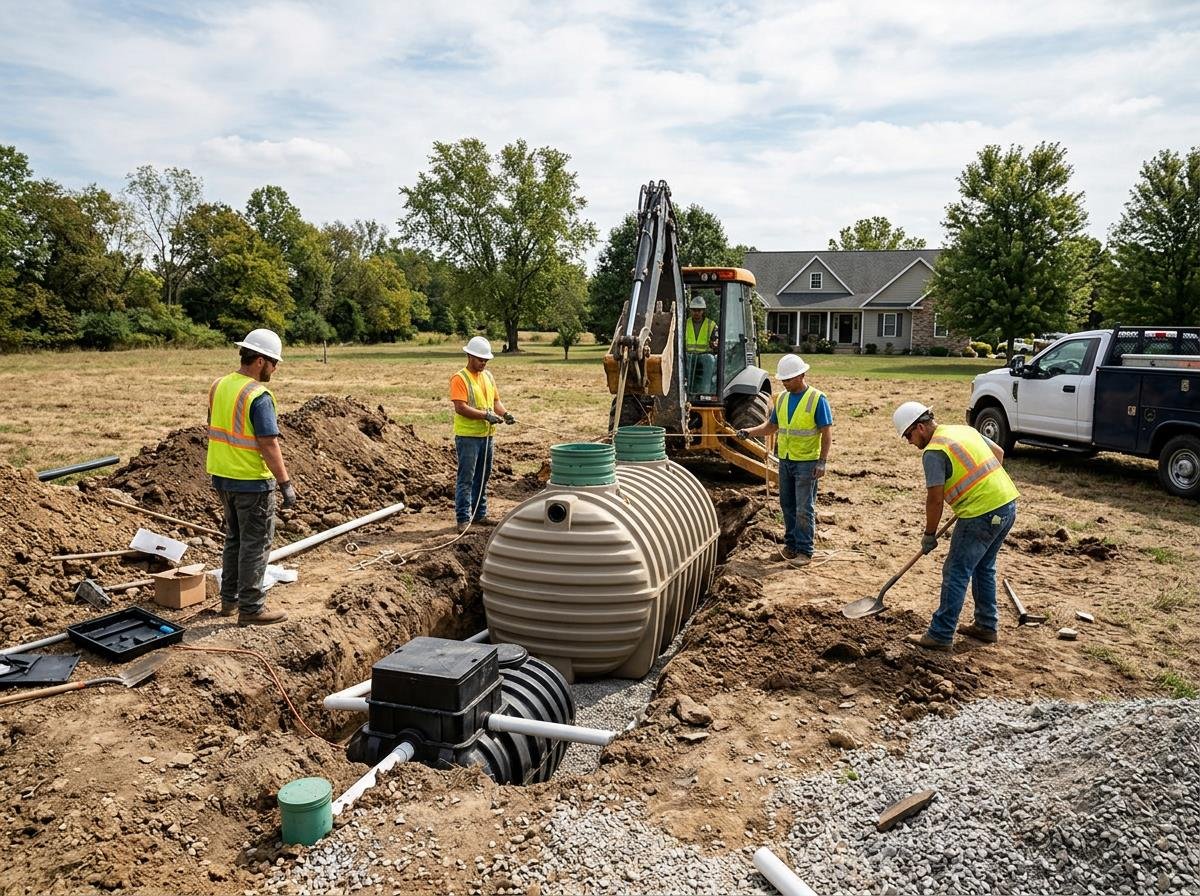
At the heart of any private well system are the mechanisms that draw water from the ground and deliver it to your home. Submersible pumps, located deep within the well casing, are common for their efficiency and quiet operation. Alternatively, jet pumps, often found in shallower wells, typically reside above ground. These pumps work in conjunction with pressure tanks, which store water under pressure, providing a consistent flow and reducing the frequency of pump cycles. Pressure switches regulate the pump’s operation, turning it on when water pressure drops and off when it reaches a set point. From the pressure tank, water distribution lines carry the water throughout the house, feeding faucets, appliances, and water treatment systems.
Common Well Water Quality Challenges in Indiana
While well water is often perceived as pure, it can present various quality challenges depending on the local geology and environmental factors. In Indiana, common issues include hard water, characterized by high mineral content (calcium and magnesium) which can lead to scale buildup and reduced soap efficiency. Iron staining, leaving reddish-brown marks on fixtures and laundry, is another frequent complaint. Sulfur odors, often described as a “rotten egg” smell, are caused by hydrogen sulfide gas. Bacterial contamination, though less common, poses a serious health risk and can stem from issues like compromised well seals or proximity to septic systems. Addressing these challenges often requires specialized water treatment solutions, and the Indiana State Department of Health Water Laboratory Services can assist homeowners with testing and analysis.
Core Problems in Alternative Wastewater Treatment
Just as clean water delivery is essential, so is the safe and effective treatment of wastewater. For many properties, especially those with challenging soil conditions or environmental sensitivities, conventional septic systems are not a viable option. This is where alternative wastewater treatment systems, such as peat moss septic systems, come into play. They offer advanced treatment capabilities, but also introduce their own set of considerations and potential problems if not properly managed.
Alternative septic systems are designed to overcome limitations like poor soil percolation, high water tables, or restrictive clay layers that prevent traditional drain fields from functioning effectively. These systems employ various methods to achieve a higher level of effluent filtration and treatment before the wastewater is dispersed into the environment. However, even with their advanced design, issues can arise. Understanding these challenges is key to maintaining a healthy system, and professional expertise, such as that offered for Indianapolis septic maintenance, is invaluable.
The Science of Peat Moss Septic Systems
Peat moss septic systems represent a sophisticated approach to wastewater treatment. At their core, they utilize specially prepared sphagnum peat moss as a natural filter medium. The treatment process is multifaceted, combining physical filtration, chemical adsorption, and biological treatment.
Physically, the dense, fibrous structure of peat moss traps suspended solids and larger particles, preventing them from entering the final dispersal field. Chemically, peat’s unique properties, including its highly polar fibers and high cation exchange capacity, allow it to adsorb positively charged molecules such as ammonium, metals, pesticides, and even some viruses. This chemical binding capacity is a significant advantage in contaminant removal.
Biologically, peat moss provides an ideal environment for a diverse community of microorganisms, including acid-tolerant bacteria and various fungi (like Penicillium, Botrytis, and Trichoderma). These microbes thrive in the aerobic, acidic conditions within the peat bed and actively break down organic matter, convert nitrogen compounds, and eradicate harmful bacteria. The high porosity and vast surface area of peat create conditions for long residence times and ample aeration, facilitating these biological processes. This comprehensive treatment results in significant reductions: over 90% removal of fecal coliform bacteria, 80-100% reduction in biochemical oxygen demand (BOD), and 70-92% removal of total suspended solids (TSS). Nitrogen removal can also range from 30% to 65% of total nitrogen, making them highly effective advanced treatment units.
Why Conventional Septic Systems Fail in Challenging Soils
Conventional septic systems rely heavily on the soil to perform the final stages of wastewater treatment and dispersal. When soils are challenging, these systems are prone to failure. Poor percolation, often found in clay-rich soils, means that water cannot drain away quickly enough, leading to system backups and surfacing effluent. Soil compaction, whether from construction or vehicle traffic, further exacerbates this issue by reducing the soil’s ability to absorb water.
High water tables or saturated soils can also render conventional systems ineffective, as there isn’t enough unsaturated soil depth for proper treatment. When the soil is waterlogged, it creates anaerobic (oxygen-deprived) conditions, which hinder the beneficial microbial activity needed to break down contaminants. This can lead to the formation of a “biomat” – a dense, slimy layer of bacteria and organic matter that clogs soil pores, preventing further effluent absorption. These failures can lead to groundwater contamination, posing significant environmental and public health risks.
The Risks of DIY Maintenance and Amateur Well Drilling
While the temptation to save money through do-it-yourself projects is understandable, certain critical home systems, particularly those involving water wells and wastewater treatment, demand professional expertise. Attempting DIY maintenance or amateur well drilling can lead to severe consequences, including system damage, safety hazards, and even regulatory non-compliance.
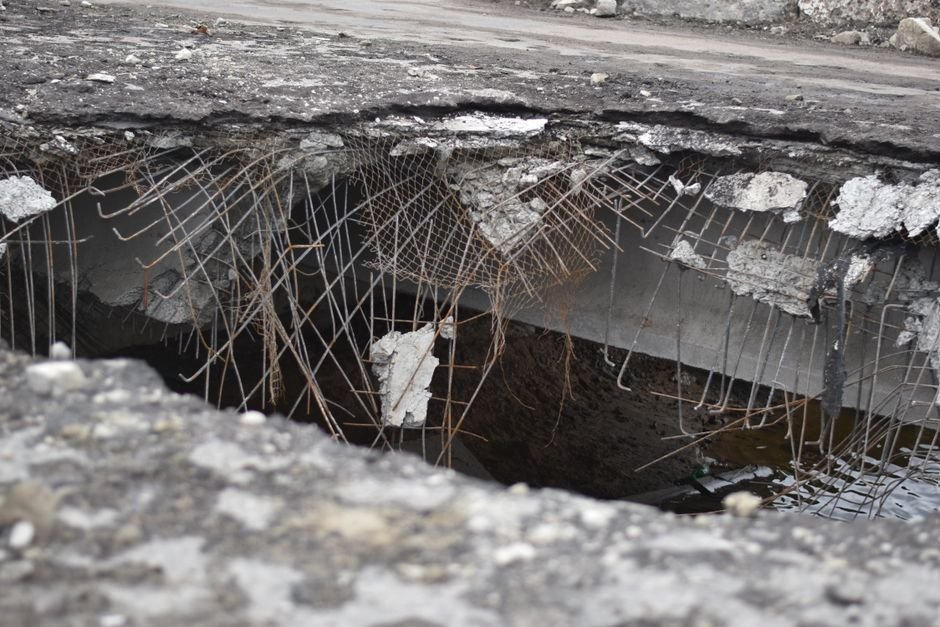
Working with septic systems, for instance, involves exposure to toxic sewer gases like methane and hydrogen sulfide, which can be deadly. Excavating around tanks or drain fields without proper shoring can lead to dangerous cave-ins. Improper handling of wastewater can also result in contamination of drinking water sources or the surrounding environment. Furthermore, many repairs and installations are subject to strict local and state regulations, and non-compliance can result in hefty fines. Organizations like the Indiana Environmental Health Association advocate for public health standards related to environmental systems, underscoring the importance of professional, compliant work.
The Dangers of Improper Peat Moss Handling
Peat moss septic systems, despite their natural filtration medium, are highly engineered. The type of peat used is crucial: only a very specific type of air-dried peat, mined for filter systems, is suitable. Horticultural peat, commonly found in garden stores, is heat-dried and has a different structure that makes it unsuitable for wastewater treatment. Using the wrong type of peat, or improperly installing the correct type, can have severe repercussions.
Compaction errors during installation can reduce the peat’s porosity and hydraulic conductivity, hindering its ability to filter effectively. Misalignment of distribution plates can lead to uneven flow, causing localized overloading and premature clogging of the peat bed. These issues can result in system failure, requiring expensive media replacement long before its expected lifespan of approximately 8 years. The specialized nature of this material and its precise installation requirements make professional handling indispensable.
Why Amateur Well Drilling and Pump Service Fails
Amateur attempts at well drilling or pump service are fraught with peril. Without professional geological surveys and drilling techniques, there’s a high risk of insufficient well depth, failing to reach a reliable aquifer, or encountering unsuitable geological formations. Poor well screening can allow sediment to enter the well, damaging pumps and reducing water quality. Surface water intrusion, often due to improper well casing or sealing, can introduce contaminants into the drinking water supply.
Furthermore, incorrect pump sizing or installation can lead to frequent pump burnouts, costly repairs, and inconsistent water pressure. Electrical hazards are also a significant concern when dealing with well pumps, which often operate on high voltage. Professional well drillers and pump technicians possess the specialized equipment, training, and licensing required to ensure safe, efficient, and compliant installations and repairs.
Selecting the Right Water and Wastewater Service Partner
Choosing the right partner for your home’s water well and wastewater systems is one of the most critical decisions you’ll make as a homeowner. These systems are complex, essential for daily living, and directly impact your health, safety, and property value. A qualified service provider brings not only technical expertise but also a commitment to environmental compliance and long-term system reliability.
A reputable service partner will employ licensed contractors and certified installers who understand the intricacies of various systems, from conventional wells and septic tanks to advanced peat moss biofilters. They utilize specialized equipment for accurate diagnostics, efficient repairs, and proper installations. Their adherence to environmental regulations ensures that your system operates safely and sustainably, protecting both your property and the wider ecosystem. Positive customer experiences, often reflected in online feedback, can be a strong indicator of a service provider’s quality and reliability. For example, reviewing Blair & Norris Google Reviews can offer insights into the experiences of other homeowners with a particular service.
Essential Criteria for Well and Septic Professionals
When evaluating potential service providers, several key criteria should guide your decision. First and foremost, ensure they possess the necessary state licensing for both well drilling/pump service and septic system installation/maintenance. This verifies their adherence to industry standards and regulatory requirements. Liability insurance is also non-negotiable, protecting you from potential damages or accidents during their work.
Look for companies that utilize advanced diagnostic tools. For wells, this might include downhole cameras or sophisticated flow meters. For septic systems, it could involve effluent sampling and specialized inspection equipment. Emergency service availability is crucial, as water and wastewater issues often arise unexpectedly and require immediate attention. Finally, a strong local reputation, built on consistent quality and customer satisfaction, is invaluable.
The Importance of Advanced Drilling Technology
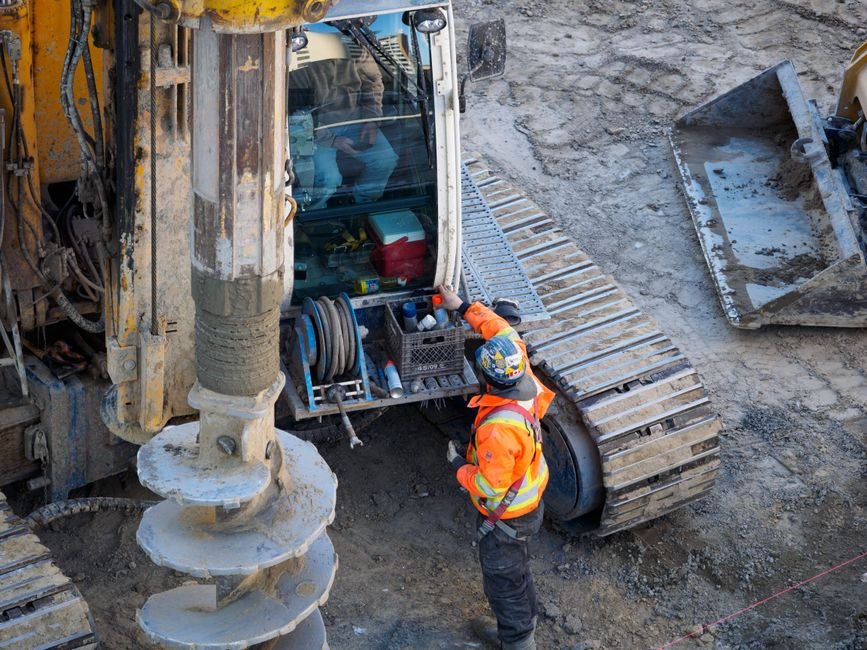
In the realm of well drilling, technological advancements have significantly improved efficiency and minimized environmental impact. Modern drilling operations often employ sophisticated equipment like Mud Puppy mud recycling systems. These systems efficiently separate drill cuttings from drilling fluids, allowing the fluids to be reused. This not only reduces waste but also minimizes the need for fresh water, making the process more sustainable.
Clean drilling practices, facilitated by such technologies, result in minimal yard damage compared to older methods. Efficient borehole completion ensures the well is properly constructed and sealed, preventing contamination. The use of sustainable drilling fluids further underscores a commitment to environmental stewardship, protecting groundwater resources during the drilling process.
Good, Better, and Best Solutions for Home Water Systems
Optimizing your home’s water and wastewater systems is a journey, not a destination. Whether you’re starting with basic care or aiming for state-of-the-art infrastructure, there are various upgrade paths that offer increasing levels of performance, reliability, and peace of mind. Understanding these options allows homeowners to make informed decisions that align with their budget, environmental goals, and long-term property plans.
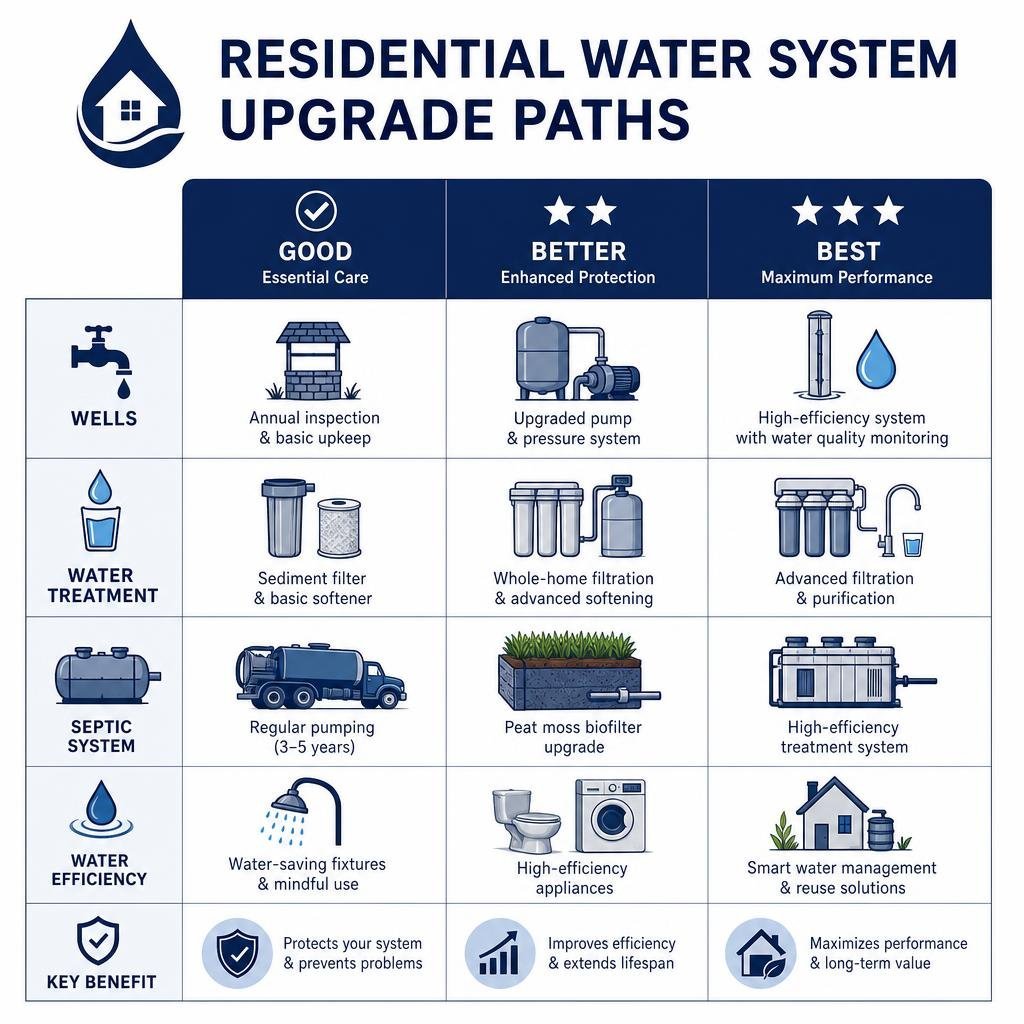
These system upgrades encompass everything from water treatment and filtration to advanced wastewater processing. Each step up the ladder offers enhanced protection, efficiency, and often, a longer lifespan for your critical home systems.
Good: Standard Maintenance and Basic Filtration
The foundation of any healthy home water system lies in consistent, routine maintenance. For septic systems, this means regular pumping of the septic tank, typically every 3-5 years, to prevent sludge and scum buildup that can lead to drain field failure. For private wells, annual inspections are crucial to check pump function, pressure, and water quality. Basic filtration, such as cartridge sediment filters, can remove larger particles from well water, protecting plumbing and appliances. Simple water softeners can address hard water issues, improving water quality for bathing and cleaning. These fundamental practices are essential for extending the life of your systems and preventing costly emergencies.
Better: Advanced Treatment and System Optimization
Moving beyond the basics, advanced treatment and system optimization focus on improving efficiency and addressing specific challenges. For septic systems, installing an effluent filter at the septic tank outlet is a simple yet effective upgrade. This filter captures smaller solids that might otherwise escape into the drain field, significantly extending its life. For well water, specialized iron filtration systems can effectively remove dissolved iron, eliminating staining and metallic tastes. Constant pressure well pump controllers offer a significant upgrade over traditional pressure tanks, providing consistent water pressure throughout the home, similar to municipal service. For peat moss septic systems, proactive measures like peat moss fluffing and leveling during annual inspections can help maintain optimal hydraulic conductivity and prolong the media’s effectiveness.
Best: Premium Engineered Water and Wastewater Infrastructure
For those seeking the highest level of performance, reliability, and environmental protection, premium engineered solutions offer comprehensive upgrades. This includes the installation of multi-module peat moss biofilters, which provide superior wastewater treatment, especially on challenging sites or where stringent effluent quality standards are required. Integrated drip irrigation dispersal systems, used in conjunction with advanced treatment units, distribute treated effluent efficiently and discreetly into the soil, minimizing environmental impact and maximizing absorption. Ultraviolet (UV) disinfection systems can be added to well water lines for an extra layer of protection against bacteria and viruses. Finally, a complete well and pump modernization, involving high-efficiency pumps, advanced controls, and robust well construction, ensures a reliable and sustainable water supply for decades to come.
Frequently Asked Questions about Plumbing and Water Systems
How often does a peat moss septic system require maintenance and media replacement?
Peat moss septic systems generally require annual inspections by a certified professional. During these inspections, the professional will check the system’s overall function, ensure proper effluent distribution, and assess the condition of the peat media. Some routine maintenance, like “fluffing” the peat with a pitchfork, can be performed to extend its life by improving aeration and permeability. However, the peat media itself typically needs to be renewed or replaced every 8 years. This replacement frequency can vary based on household water usage, the system’s design, and the quality of maintenance. Regular septic tank pumping, usually every 2-5 years, is also critical to prevent solids from overloading the peat filter. For more detailed guidance on septic system care, resources like Purdue University Extension Septic System Publications offer valuable insights into maintenance schedules and best practices.
What are the signs that a residential well pump or septic system is failing?
Recognizing the early signs of failure in your well pump or septic system can prevent minor issues from escalating into costly emergencies. For a well pump, common indicators include sputtering faucets, a noticeable drop in water pressure, or the pump running constantly or cycling too frequently. These could signal a failing pump, a problem with the pressure tank, or a leak in the system.
For a septic system, signs of trouble are often more apparent. These include sewage odors around the tank or drain field, unusually lush or green grass over the drain field (indicating surfacing effluent), slow-draining fixtures, gurgling sounds from drains, or, in severe cases, sewage backing up into your home. Any of these symptoms warrant immediate professional attention.
Can I use standard gardening peat moss to service my septic biofilter?
No, standard gardening peat moss is not suitable for servicing a septic biofilter. Peat moss septic systems require a very specific type of air-dried peat, which is mined and processed to meet stringent specifications for wastewater treatment. This specialized peat has particular physical and chemical properties, including high porosity and specific decomposition levels, that are crucial for effective filtration and biological activity. Horticultural peat, commonly sold for gardening, is typically heat-dried, which alters its structure and reduces its effectiveness for wastewater treatment. Using the wrong type of peat can lead to poor hydraulic conductivity, premature clogging, and system failure, potentially compromising the entire treatment process. Always consult with your system manufacturer or a certified professional for the correct type and sourcing of replacement peat.
Conclusion
Maintaining the unseen infrastructure of your home’s water and wastewater systems is an investment in your property, your health, and the environment. Peat moss septic systems, while offering advanced treatment capabilities, underscore the need for specialized knowledge and diligent care. From understanding the unique science behind these biofilters to recognizing the critical differences in peat types, informed homeowners can ensure their systems operate effectively for years to come.
Preventative maintenance, coupled with the expertise of professional partners, is the cornerstone of a reliable home water system. Avoiding the pitfalls of DIY attempts and choosing qualified, licensed professionals for installation, inspection, and repair will safeguard your investment and provide lasting peace of mind. We encourage you to prioritize regular maintenance and seek expert advice for any concerns. For those ready to optimize their home’s essential plumbing and water systems, we are here to help with professional service and detailed estimate requests.