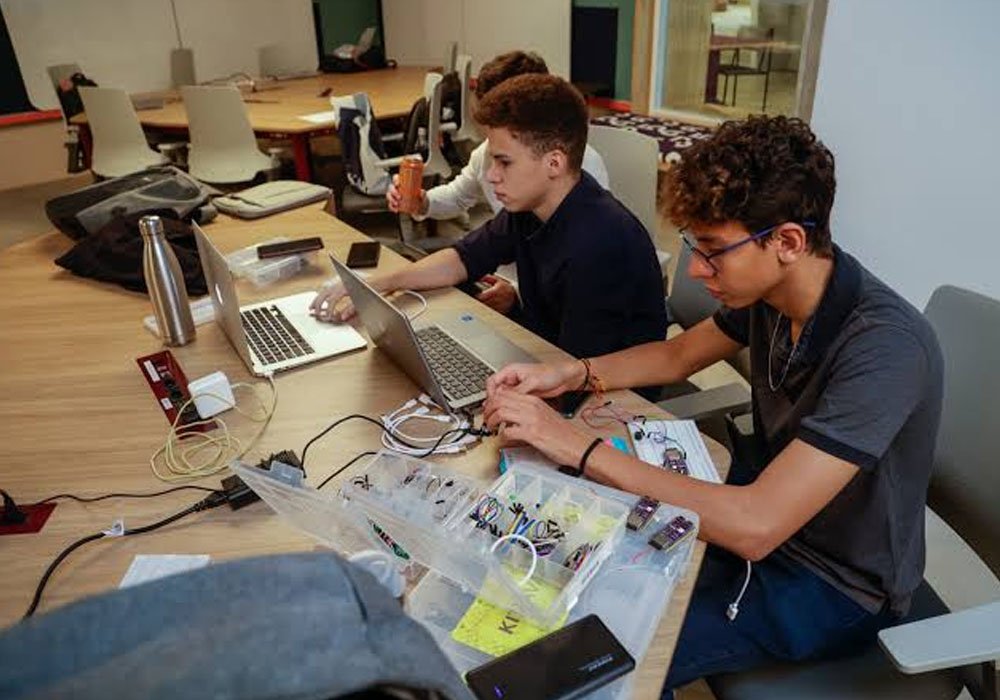
In today’s rapidly changing workforce, traditional teaching methods often fall short in preparing students for real-world success. The need for innovative educational practices is growing in response to employer demands for adaptable, skilled workers who can solve complex problems. One educational approach that is gaining momentum for its proven success is Project-Based Learning (PBL). By immersing students in meaningful, hands-on projects, PBL cultivates vital skills that set learners apart in the modern job market. These benefits are reflected in learning environments such as a top-rated charter school located in Sandy, Utah, where project-based instruction helps students develop critical thinking, collaboration, and problem-solving skills that support long-term academic and career success.
PBL equips students not only with academic knowledge but with practical competencies such as critical thinking, teamwork, and communication, all in the context of real-world tasks. These skills are highly sought after by employers who prioritize adaptability and initiative in new hires over rote memorization of facts. As educators and parents learn more about the future of work, interest in PBL has reached new heights as a way to unlock student engagement and long-lasting achievement.
Understanding Project-Based Learning
Project-Based Learning is a student-centered instructional method that centers coursework around projects targeting real-world problems. Students undertake these projects individually or in groups, applying theoretical content in practical settings. Unlike traditional education, which relies heavily on lectures and memorization, PBL encourages investigation, inquiry, and in-depth understanding through doing. Students take responsibility for their own learning as they navigate challenges, propose solutions, and reflect on outcomes, which leads to deeper retention and comprehension of subject material.
Developing Critical Skills Through PBL
The fast-evolving job market increasingly favors candidates with versatile skills over those with narrow academic achievements. Project-Based Learning enables students to develop several key abilities, including:
- Critical Thinking: Learners analyze information, synthesize data from various sources, and construct practical, original solutions to complex issues.
- Collaboration: Group-based projects simulate professional environments, requiring students to navigate teamwork challenges, leadership tasks, and shared responsibility for results.
- Communication: Presenting their ideas and results, both in writing and orally, enhances students’ ability to articulate, persuade, and clearly convey complex information to diverse audiences.
- Time Management: Balancing competing priorities and deadlines within projects builds organizational habits critical for success in any workplace.
Real-World Applications and Success Stories
Project-Based Learning is not confined to theory. For example, Worcester Polytechnic Institute’s signature approach to undergraduate education relies heavily on PBL to help students solve actual societal and industry challenges. Their graduates are highly competitive in the workforce due to their hands-on experiences and robust problem-solving mindset, as reported by WPI News. Massachusetts Institute of Technology’s Undergraduate Practice Opportunities Program (UPOP) offers another model, providing project-based opportunities that deepen undergraduates’ technical knowledge while improving teamwork and leadership.
Enhancing Student Engagement and Motivation
PBL transforms learning by making lessons relevant and personal. When students connect classroom material to authentic scenarios, their motivation soars. They are invested in outcomes because their work has purpose beyond just a grade. Studies from leading educational organizations show that this approach increases both student engagement and long-term retention of material, creating a positive learning cycle that drives deeper understanding and prepares students for lifelong learning.
PBL in Higher Education
Colleges and universities increasingly recognize the competitive advantage PBL offers their students. Through panel discussions and symposia, such as those hosted by WPI, higher education leaders share successful models for integrating PBL into curricula and respond to shifting employer demands. As industries rapidly change, universities are adapting by making practical experiences an integral part of degree programs, helping students transition smoothly into professional life.
Implementing PBL in Educational Institutions
Educators seeking to launch a robust PBL program can follow a few key guidelines to ensure effectiveness:
- Design high-quality projects aligned with real-world issues and relevant curriculum points.
- Foster student independence, allowing for creative thinking while providing support and mentorship where needed.
- Encourage collaboration across disciplines to mimic professional work settings.
- Schedule regular opportunities for feedback, assessment, and reflection.
Taking these practical steps can help schools build a culture of learning rooted in the skills students need most for future success.
Challenges and Solutions in PBL
Implementing PBL comes with challenges. Institutions may face resource limitations, insufficient educator training, or resistance to changing established curricular structures. Solutions include investing in teachers’ professional development and tapping into community partnerships to provide real-world project ideas and mentorship.
Conclusion
The evidence is clear: Project-Based Learning stands out as a transformative approach for preparing students for the future workforce. By nurturing critical thinking, teamwork, and communication skills, and making learning truly engaging, PBL bridges the gap between academic instruction and practical experience. As more schools and universities embrace this method, students will enter their careers confident, prepared, and ready to excel in a rapidly evolving professional landscape.