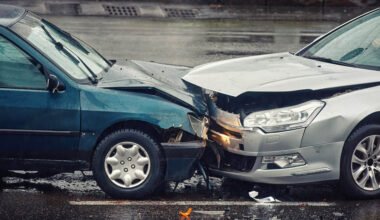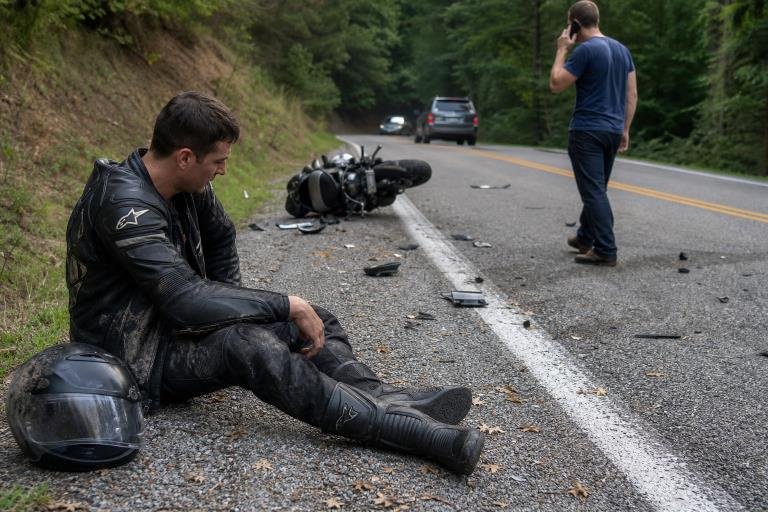
A motorcycle crash can leave riders, passengers, and families overwhelmed within seconds. Shock and adrenaline may hide pain, blur memories, and make routine decisions feel difficult. A simple plan helps protect immediate safety first, then supports medical care, insurance communication, and documentation in the days ahead.
When injuries are serious, fault is disputed, or an insurer pressures someone to settle quickly, speaking with a motorcycle accident lawyer near me may help a rider understand the next steps. Still, the top priorities at the scene are safety, emergency care, and the preservation of accurate information.
Why a Clear Plan Matters After a Crash
Motorcycle crashes can produce severe injuries even when damage appears limited. According to current motorcycle safety information, 6,228 motorcyclists were killed in traffic crashes in 2024, and riders faced a far higher fatality risk per mile traveled than passenger car occupants. A checklist helps riders focus on what matters before discussing blame, repairs, or settlement offers.
What to Do During the First Few Minutes
- Check yourself, your passenger, and others for immediate danger or serious injury.
- Move out of active traffic only if it is safe and physically possible.
- Do not move a seriously injured person unless remaining in place creates a greater danger, such as fire or approaching traffic.
- Use hazard lights, flares, or other warning devices if available.
- Leave a helmet in place unless breathing is blocked or emergency responders direct otherwise.
Preventing a second collision comes before photographs or phone calls. Fuel leaks, flames, traffic, broken glass, and poor visibility can turn an initial crash into a more dangerous emergency.
When to Call 911 and Request Medical Help
Call 911 when anyone has bleeding, pain, confusion, weakness, numbness, trouble breathing, dizziness, or loss of consciousness. Police and emergency medical personnel can assess the scene, direct first aid, and create an initial crash record. If officers respond, ask for the agency name and report number before leaving when possible.
A private agreement may seem easier, but it can create problems when injuries, vehicle damage, or insurance disputes become apparent later. Reporting requirements differ by state, so riders should not assume that exchanging cash or contact details is enough.
How to Document the Crash Scene
If it is safe to do so, use a phone to capture details before vehicles are moved, traffic changes, or debris is cleared.
Photos and Video to Capture
- Wide views of the roadway, intersection, lanes, and nearby landmarks.
- Vehicle positions, license plates, impact points, debris, skid marks, and road defects.
- Traffic lights, signs, weather, lighting conditions, and obstructions to visibility.
- Damage to the motorcycle, helmet, clothing, and other protective gear.
- Visible injuries, when appropriate and medically safe.
Notes to Write Down
Record the date, time, location, sequence of events, and names of everyone involved. Note what witnesses said as closely as possible, along with symptoms that develop after the crash. Memories can change quickly, so a short written account made the same day can be valuable.
What Information to Exchange
- Full names, phone numbers, driver’s license details, and license plate numbers.
- Vehicle make, model, color, registration information, and insurance details.
- Witness names and contact information.
- Employer or company information if a commercial vehicle was involved.
Stay calm and courteous, but avoid arguing, apologizing, guessing about speed, or making conclusions about fault. It is also wise not to minimize injuries before a medical professional has evaluated them.
Why Medical Care Should Come Early
Symptoms from a concussion, neck injury, fracture, soft-tissue injury, or road rash may not be obvious while adrenaline is high. Tell a healthcare professional about every symptom, including headache, nausea, stiffness, tingling, sleep changes, or difficulty concentrating. Follow recommended treatment and keep discharge instructions, prescriptions, bills, test results, and work restrictions.
Helmets substantially reduce risk, but they cannot prevent every injury. The risks motorcyclists face in fatal crashes also show why a prompt evaluation is sensible after a hard impact, even when a rider initially feels fine.
How to Preserve the Motorcycle, Helmet, and Riding Gear
Do not repair, sell, discard, clean, or alter damaged property until it has been thoroughly photographed and documented. Keep the motorcycle, helmet, jacket, gloves, boots, pants, and eyewear in a secure place. Save towing invoices, storage charges, repair estimates, receipts, and replacement-cost records. Back up photographs and video in more than one location.
How to Handle Insurance Calls and Forms
Notify the appropriate insurer within the time required by the policy or applicable law. Provide basic facts such as the date, location, vehicles involved, and whether medical care was needed. Do not guess about distance, speed, fault, or future treatment. Keep a log of claim numbers, calls, emails, documents sent, and deadlines.
Read releases and settlement documents carefully. Insurance rules, coverage limits, fault standards, and filing deadlines vary by state, particularly when uninsured drivers or serious injuries are involved.
Common Mistakes That Can Create Problems
- Leaving the scene without reporting a crash when reporting is required.
- Assuming no immediate pain means no injury occurred.
- Posting crash details, opinions, or photographs on social media.
- Throwing away damaged gear or authorizing repairs before documentation.
- Giving a recorded statement while confused, medicated, or uncertain.
- Accepting a quick payment before the medical recovery outlook is clear.
A Simple First-Week Checklist
- Arrange emergency care and follow-up appointments.
- Request the crash report when it becomes available.
- Organize photos, witness details, receipts, and insurance correspondence.
- Keep a daily log of symptoms, limitations, missed work, and transportation costs.
- Get repair estimates before approving major motorcycle work.
- Ask questions before signing any final release or settlement.
Frequently Asked Questions
What if the motorcycle looks fine?
Hidden damage to the frame, forks, wheels, brakes, tires, or electrical system may not be visible. Have the motorcycle inspected before riding it again.
What if the rider feels fine at the scene?
Monitor for delayed pain, dizziness, confusion, weakness, stiffness, or numbness. Seek medical advice promptly if symptoms appear or worsen.
Can damaged riding gear be replaced?
Depending on the coverage and circumstances, damaged gear may be part of a property damage claim. Photos, receipts, and replacement estimates can support the request.
Final Takeaway
After a motorcycle crash, focus on the right order of priorities: get safe, call for help, seek medical care, document the facts, preserve evidence, and communicate carefully. A clear checklist cannot remove the stress of a crash, but it can help riders and families make better decisions during a difficult time.