Key Takeaways
- Selling as-is means selling in the home’s current condition, not avoiding known disclosure duties.
- The best choice depends on repair costs, carrying costs, timeline, and likely net proceeds.
- A cash offer can reduce financing risk, but sellers should still review every contract term.
- Headline price matters less than the amount left after repairs, fees, debt, and closing costs.
- Independent legal, title, and tax guidance can be especially valuable for inherited or complicated properties.
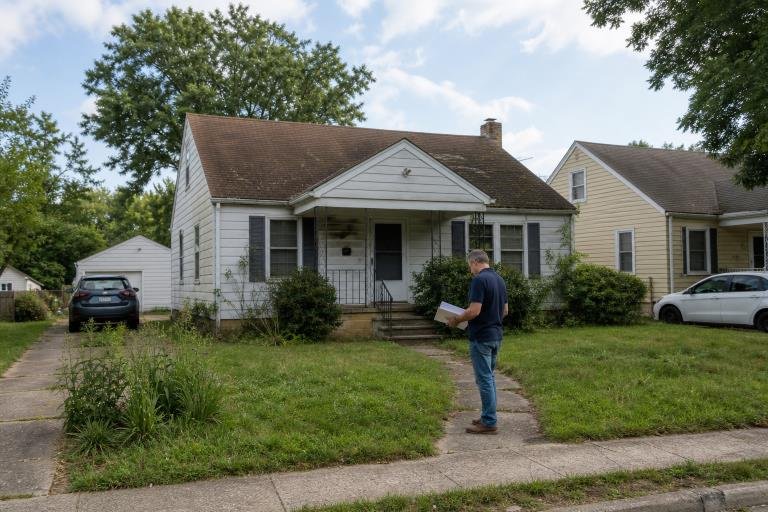
Selling a house as-is can be a practical solution when repairs, time constraints, or personal circumstances make a traditional listing difficult. Homeowners exploring a direct-sale path can start by reviewing the information available at https://www.bigbobhomebuyer.com/, then compare that option with the likely cost and timeline of repairing and listing the property. An as-is sale does not automatically mean accepting an unfair price or taking the first offer that arrives. It means the buyer agrees to purchase the property in its present condition, with no promise that the seller will complete repairs, updates, or renovations before closing. That said, as-is language does not give a seller permission to hide known problems. Water damage, foundation concerns, mold, liens, unpermitted work, and other material defects can still require disclosure under applicable state and local rules. A real estate attorney or licensed local professional can explain the requirements that apply to a specific transaction. Before committing to any path, homeowners can use www.bigbobhomebuyer.com as one point of comparison while also considering an agent-listed sale, repair estimates, and competing direct offers. The strongest decision usually comes from comparing the full financial picture rather than reacting to urgency alone.
Why Homeowners Choose An As-Is Sale
Many sellers choose an as-is approach because the house needs more work than they can reasonably fund or manage. A job relocation may create a tight deadline. An inherited house may be located in another state. A vacant property can continue generating mortgage payments, insurance premiums, taxes, utility bills, lawn care costs, and security concerns. Divorce, estate administration, foreclosure pressure, or a major life change can also make a simpler sale attractive. Some owners do not want months of cleaning, staging, open houses, repair appointments, and buyer negotiations. In those situations, accepting a lower price may be worthwhile if it creates a faster, more predictable closing and reduces ongoing expenses.
Repair, Sell As-Is, Or List Traditionally?
Repair And List
Repairing and listing may make sense when the needed work is affordable and likely to improve buyer interest or value. Basic repairs to a leaking pipe, a broken handrail, a malfunctioning HVAC system, or a damaged roof can remove obstacles that cause buyers to walk away. This option often works best for owners with enough time, cash, and capacity to oversee the work.
List As-Is With An Agent
An agent can market a house in its current condition while setting expectations through pricing, photos, and disclosures. This can broaden exposure to investors, renovators, and buyers willing to improve a home themselves. However, showings, inspections, appraisal issues, concessions, and financing delays may still occur.
Request Cash Offers
Cash offers are worth considering when speed, privacy, and closing certainty matter most. Cash buyers may not need lender approval or a lender-required appraisal, which can reduce some common transaction hurdles. Still, cash is not automatically better. Sellers should compare price, earnest money, inspection rights, proof of funds, closing date, and cancellation terms.
How To Decide Which Repairs Are Worth Doing
Sort needed work into three categories before spending money:
- Safety repairs:Exposed wiring, gas issues, active leaks, unstable stairs, and unsafe flooring.
- Function repairs:Plumbing, heating, cooling, electrical panels, doors, windows, and essential appliances.
- Cosmetic repairs:Paint, carpet, landscaping, dated fixtures, and decorative updates.
Safety and function deserve the closest attention because they can affect insurability, financing, inspections, and buyer confidence. Cosmetic work may help presentation, but expensive upgrades are not always justified when a seller needs to move quickly. Obtain two or three written estimates and ask whether each repair is likely to protect value, improve marketability, or delay the sale.
Compare Net Proceeds, Not Just Offer Prices
A higher listing price does not always create a better outcome. To compare options, estimate the likely sale price after repairs, then subtract contractor bills, agent commissions, seller concessions, closing expenses, mortgage payoff, taxes, insurance, utilities, and maintenance costs during the selling period. For example, a house might command a higher price after a $25,000 renovation, but the owner may also spend several months carrying the property while facing appraisal issues or price reductions. A lower as-is offer could leave a similar amount at closing if it avoids renovation costs and ends monthly expenses sooner. Ask for a written seller net sheet for every serious offer.
How To Review A Cash Buyer Before Signing
- Request written proof that the buyer has available funds.
- Confirm the buyer’s legal name, business entity, and contact information.
- Ask whether the contract can be assigned to another buyer.
- Review the earnest-money amount, inspection deadline, and cancellation language.
- Confirm which party pays title, escrow, recording, and transfer costs.
- Use a reputable title company or closing attorney to handle documents and funds.
- Never sign a deed or unclear paperwork under pressure.
Urgency should never replace verification. The Federal Trade Commission warns that some mortgage-relief scams use pressure, confusing paperwork, or promises of quick cash that can put a homeowner’s equity at risk. Read every page, keep copies of documents, and seek independent advice when terms are unclear.
Inherited Houses And Complicated Properties
Inherited homes often require extra planning. Confirm who has authority to sell, whether probate is necessary, whether all heirs agree, and whether taxes, liens, mortgages, or utility balances must be resolved. Siblings living in different states may need to decide whether to repair, rent, or sell a parent’s vacant home while protecting it from weather damage or trespassing. Keep records for cleanout work, repairs, insurance, and professional services. The IRS explains that the basis of inherited property is generally tied to its fair market value as of the date of death. However, exceptions and estate-related rules may apply. An estate attorney and tax professional can help heirs avoid preventable mistakes.
Questions To Ask Before Accepting An Offer
- What is the exact purchase price and estimated net amount to the seller?
- Is the contract assignable, and can the buyer cancel after inspection?
- How much earnest money is being deposited, and when does it become nonrefundable?
- Who chooses the title company or closing attorney?
- Which costs, liens, or debts will be deducted at closing?
- What happens if the buyer misses the agreed closing date?
A Simple Selling Plan
Gather the deed, mortgage statement, tax records, insurance information, repair history, and any estate documents. List known defects, set a minimum acceptable net amount, obtain repair estimates, and compare at least two selling paths. Verify each buyer, review the agreement with an independent professional, and close through a neutral title company or attorney. A careful comparison can help sellers choose the option that best balances price, speed, privacy, and certainty.
Conclusion
Selling a house as-is can be a practical choice when repairs, time constraints, or personal circumstances make a traditional sale difficult. However, the decision should be based on more than speed or the headline offer. Compare repair expenses, carrying costs, closing fees, mortgage obligations, contract terms, and estimated net proceeds before committing. Whether choosing an agent-assisted listing, an as-is sale, or a cash buyer, sellers should verify the buyer, understand their disclosure responsibilities, and review all documents carefully. For inherited or complicated properties, independent legal, title, and tax guidance can provide additional protection. A careful comparison allows homeowners to choose a selling path that balances financial return, convenience, timing, and certainty while reducing the risk of costly surprises.