Biomechanical Demands and High-Impact Injuries in Modern Athletics
For athletes, pushing the limits of physical performance is their daily reality. Whether competing at the elite level or in local leagues, injuries are an unwelcome part of the journey. Yet, how we recover and protect our bodies is crucial for long-term success. As the landscape of women’s sports rapidly expands, with more women and girls participating than ever before, the need for effective support and rehabilitation tools has never been greater.
Among the most vital resources in modern sports medicine are athletic tapes. These tools help athletes in many ways. They offer crucial support during recovery and aid in preventing future injuries. We will explore the significant role that professional-quality athletic tapes play. We will examine how these tapes address the unique biomechanical demands on athletes. We’ll also look at the different types of tapes and how they work. Our discussion will cover clinical applications for both rehabilitation and training. Join us to understand how these powerful tools contribute to the resilience of women in sports, helping them achieve their goals.
The intensity and professionalism of women’s sports have surged dramatically, particularly in the last decade. Leagues like the WNBA and NWSL are experiencing unprecedented viewership and growth, leading to higher stakes and more demanding athletic performances. This increased participation and competitive rigor, from youth leagues to professional stages, inevitably places significant biomechanical demands on athletes, leading to a prevalence of high-impact injuries. Women athletes, in particular, face specific physiological considerations that can influence injury patterns and recovery. For instance, the physical and physiological standards for female athletes have evolved considerably since the days when Victorian society discouraged women from sports, falsely claiming exertion threatened fertility. Today, we celebrate the incredible strength and endurance of women, but this also means addressing the specific injury risks associated with their intense training and competition schedules.
Lower-Extremity Joint Vulnerabilities in Competitive Sports
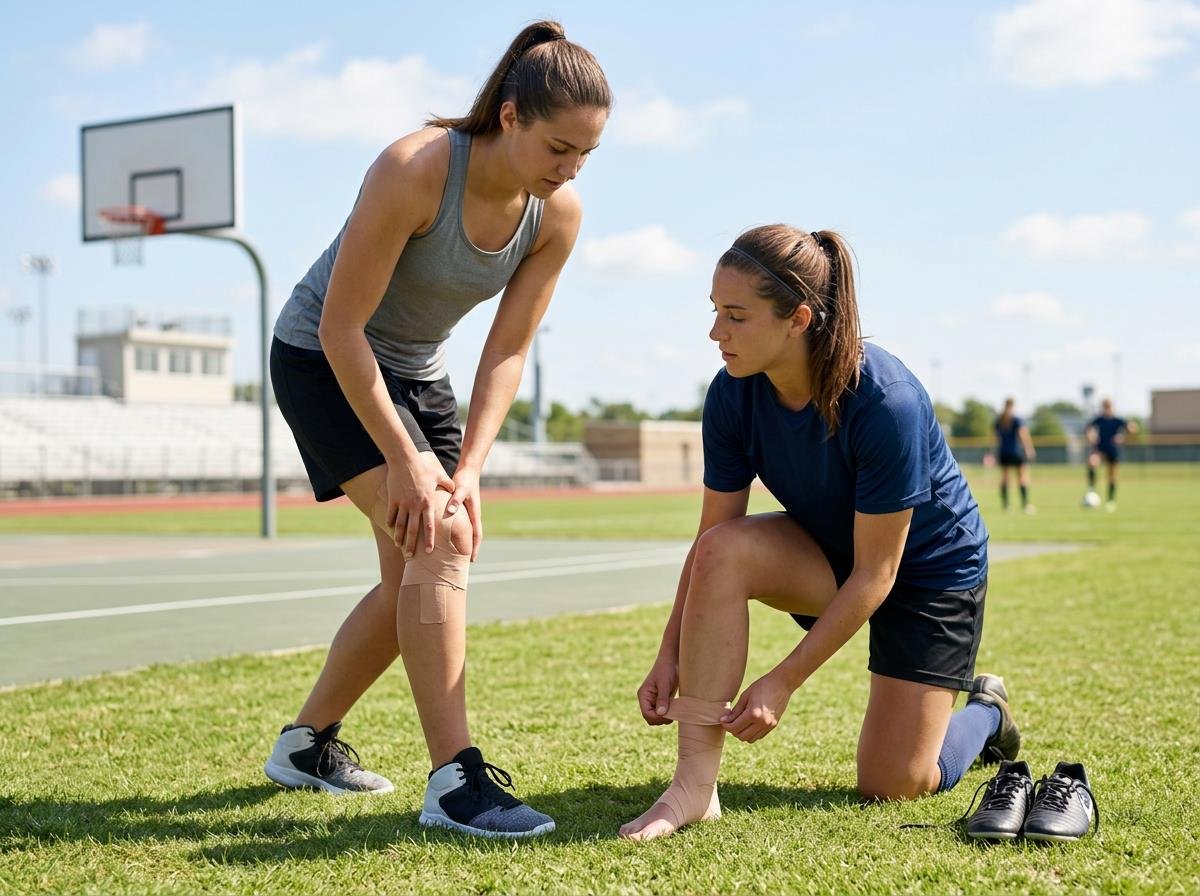
In sports that involve jumping, cutting, and rapid changes in direction, such as basketball, soccer, and volleyball—disciplines where women excel—the lower extremities are particularly vulnerable. Ligament damage, especially to the anterior cruciate ligament (ACL), is a well-documented concern, with female athletes experiencing these injuries at a higher rate than their male counterparts. This heightened risk is attributed to a combination of anatomical, hormonal, and biomechanical factors, including differences in Q-angle, hamstring-to-quadriceps strength ratio, and neuromuscular control patterns. Ankle instability, often stemming from recurrent ankle sprains, can also become a chronic issue, affecting an athlete’s kinetic chain and overall performance. Moreover, conditions like patellofemoral pain syndrome, characterized by pain around the kneecap, are common due to repetitive impact and structural loading during training and competition. These vulnerabilities underscore the critical need for effective preventive and rehabilitative strategies, where athletic tapes play a pivotal role in providing external support and proprioceptive feedback.
The Physiological Impact of Repetitive Stress
Beyond acute injuries, the relentless schedule of modern sports exposes athletes to the physiological impact of repetitive stress. Microtrauma, small-scale damage to muscles, tendons, and ligaments, accumulates over time, leading to tissue remodeling. While some remodeling is adaptive, excessive or poorly managed stress can result in chronic inflammation, tendinopathies, and joint laxity. Muscular fatigue also plays a significant role, compromising an athlete’s ability to maintain proper form and absorb impact, increasing the risk of injury. For women, hormonal fluctuations can further influence collagen synthesis and ligamentous laxity, potentially affecting tissue recovery and susceptibility to injury at different points in their menstrual cycle. Understanding these complex physiological responses is essential for developing comprehensive injury prevention and recovery programs that incorporate tools like athletic taping to mitigate risk and support the body’s natural healing processes.
Types and Mechanisms of Professional Athletic Tapes in Modern Sports Medicine
The evolution of athletic taping has moved far beyond simple white adhesive tape. Today, sports medicine professionals utilize a diverse array of professional athletic tapes, each designed with specific properties and mechanisms to address various needs in injury prevention, acute management, and rehabilitation. These tapes are not merely bandages; they are sophisticated tools that interact with the body’s biomechanics and neurosensory systems.
Mechanical Stabilization and Joint Restriction
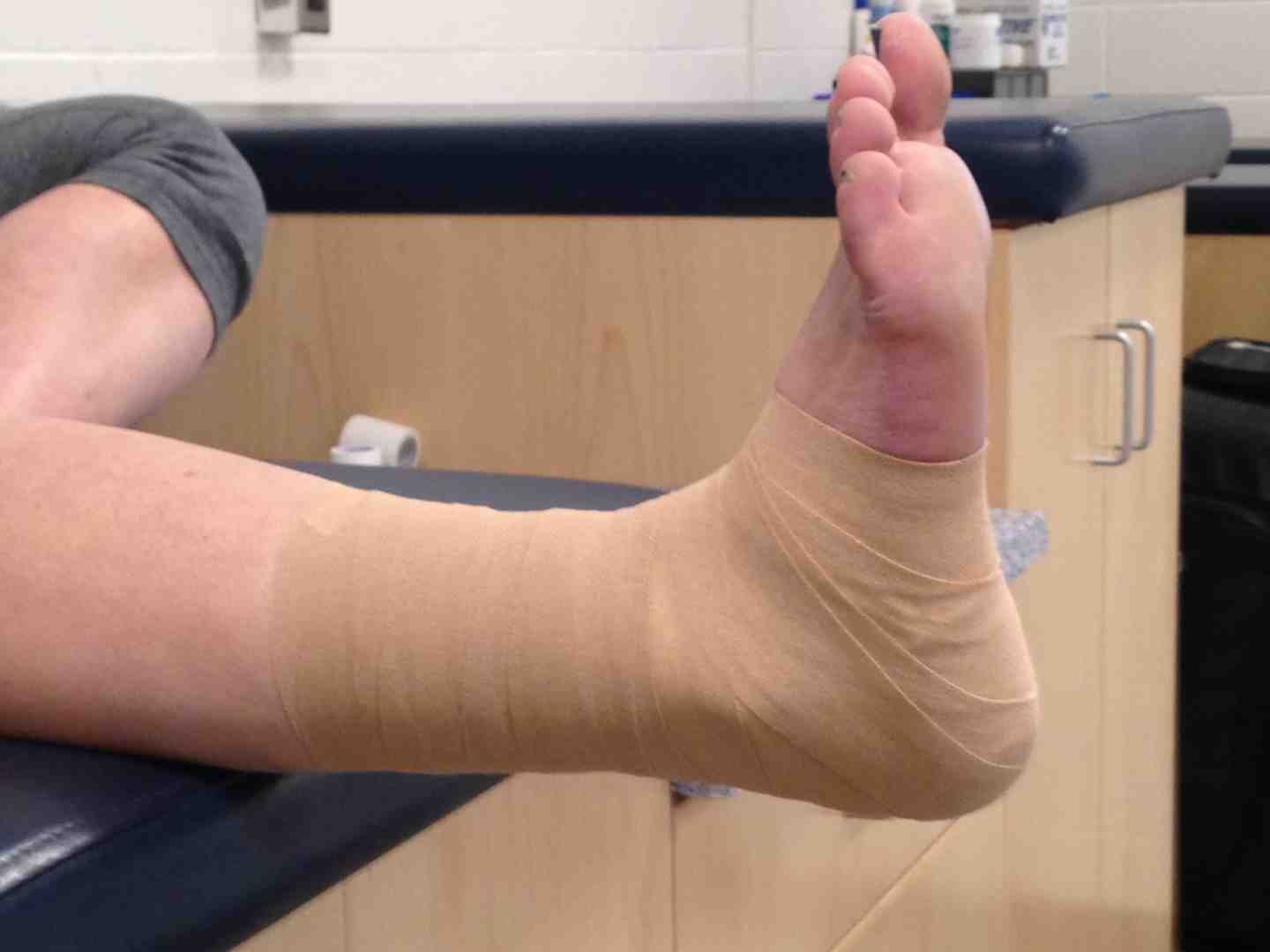
One primary function of athletic tape, particularly rigid strapping tape, is to provide mechanical stabilization and restrict unwanted motion. This is crucial for protecting vulnerable joints, especially after sprains or strains. By applying tape in specific patterns, such as ankle stirrups or figure-eight locking for the ankle, we can limit excessive inversion or eversion, supporting damaged ligaments and preventing further injury. This structural bracing effectively offloads stressed ligaments, allowing them to heal while still enabling some functional movement. For conditions like patellar tracking issues, specific taping techniques can help guide the kneecap into a more optimal alignment, reducing pain and improving function. The goal is acute stabilization, offering external support that mimics or enhances the body’s natural anatomical alignment, providing confidence and protection during the early stages of recovery or when returning to play.
Neurosensory Feedback and Circulatory Support
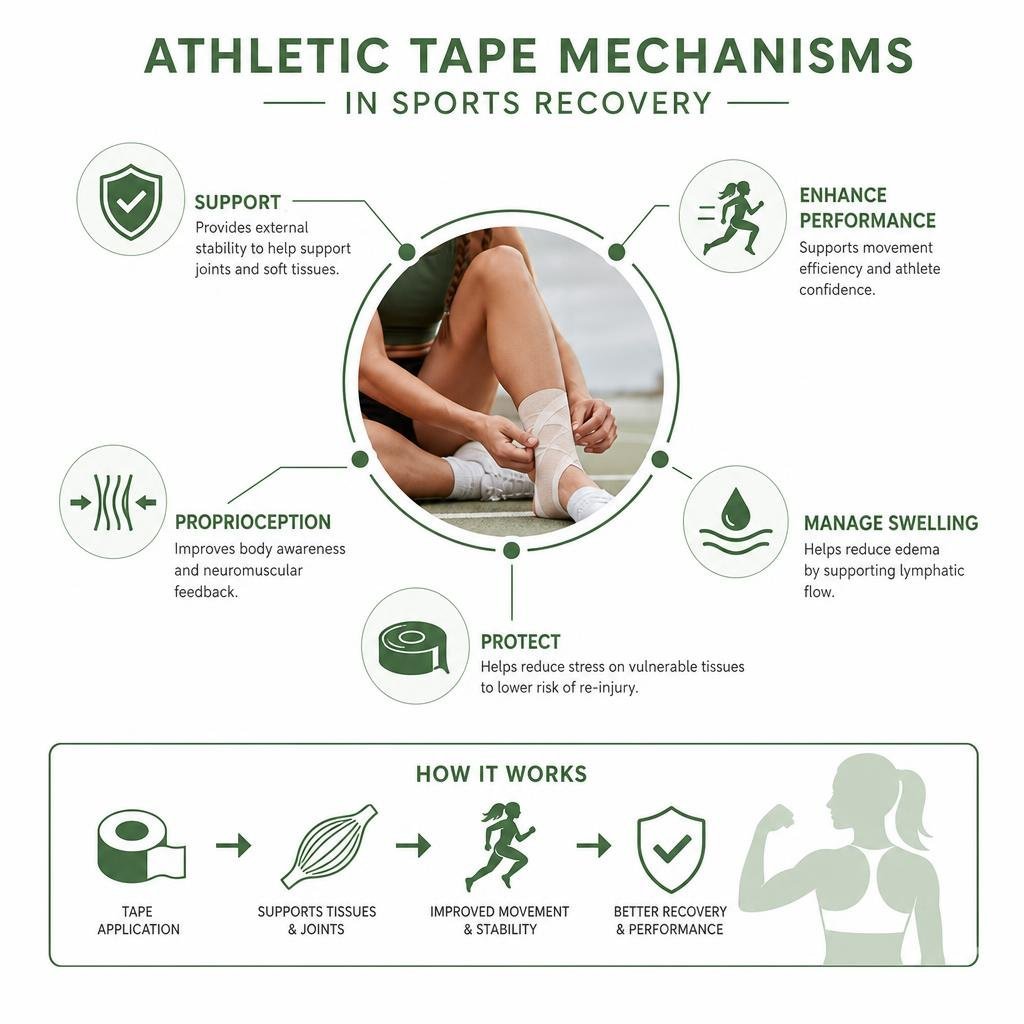
In contrast to rigid tapes, dynamic elastic tapes, often referred to as kinesiology tapes, operate through different mechanisms, focusing on neurosensory feedback and circulatory support. When applied to the skin, these tapes lift the epidermis, creating microscopic convolutions that can reduce pressure on pain receptors and improve lymphatic drainage. This reduction in pressure can help decrease swelling (edema reduction) and facilitate the removal of metabolic waste products, thus speeding up the healing process.
Furthermore, the unique elasticity of kinesiology tape provides continuous proprioceptive input to the brain. This enhanced awareness of joint position and muscle activity (muscle activation) can improve neuromuscular control, helping athletes to move more efficiently and with greater stability. For women athletes, who often benefit from improved body awareness and stability, this neurosensory feedback can be particularly beneficial. The tape’s presence on the skin also stimulates cutaneous receptors, which can modulate pain perception and encourage more natural, pain-free movement. This combination of mechanical and neurological effects makes dynamic taping a versatile tool for supporting athletes through various stages of rehabilitation and performance enhancement.
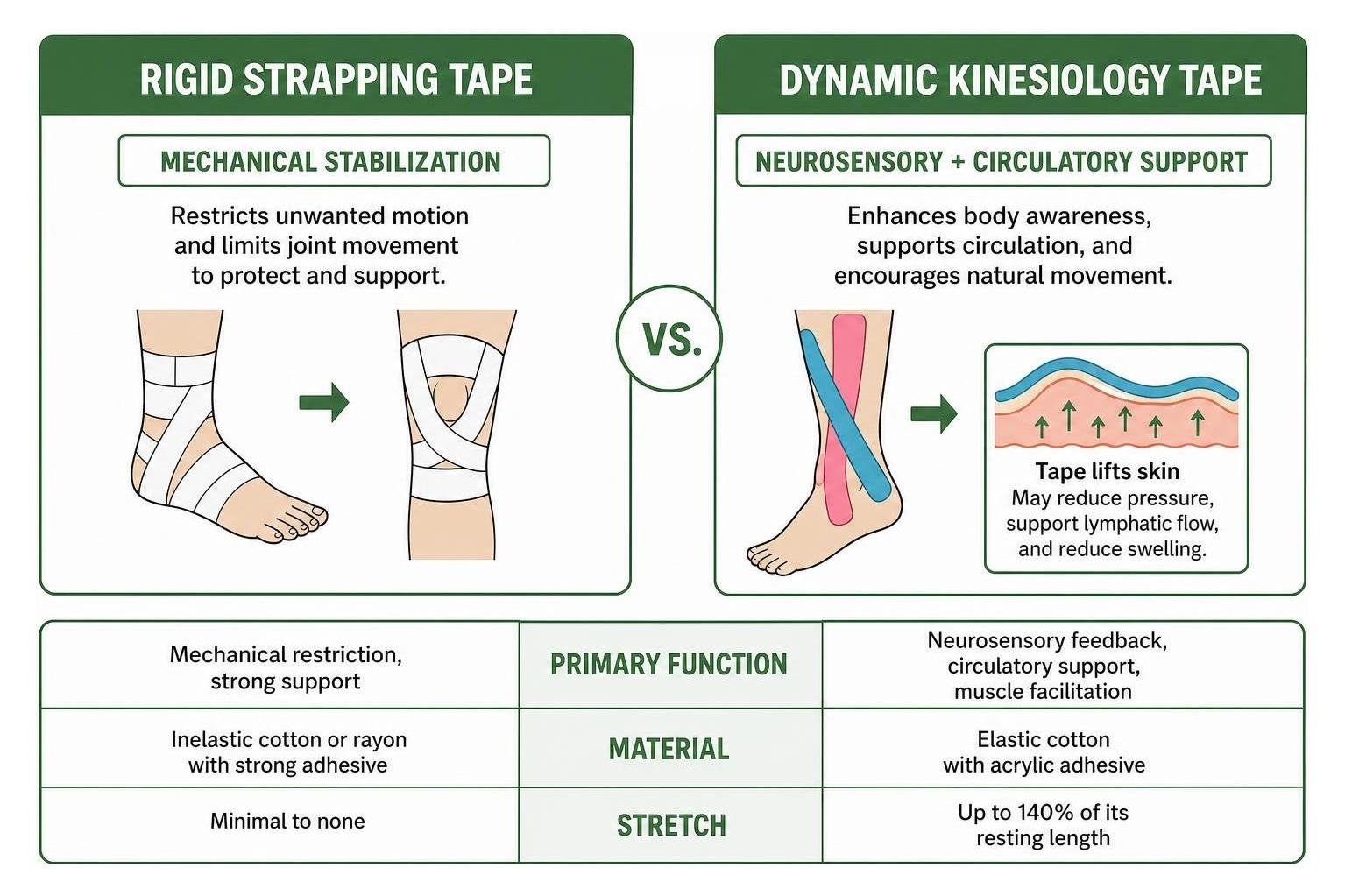
Feature Rigid Strapping Tape Dynamic Kinesiology Tape Primary Function Mechanical restriction, strong support Neurosensory feedback, circulatory support, muscle facilitation Material Inelastic cotton or rayon with strong adhesive Elastic cotton with acrylic adhesive Stretch Minimal to none Up to 140% of its resting length Application Applied with tension for joint immobilization Applied with varying tension for movement support Effect Limits range of motion, stabilizes joints Lifts skin, improves circulation, enhances proprioception Wear Time Typically short-term (hours to a day) Can be worn for several days Common Uses Acute injury stabilization, joint protection Muscle pain, swelling, postural correction, performance enhancement Clinical Protocols for Injury Rehabilitation
The effective application of professional athletic tapes is an art and a science, requiring a deep understanding of anatomy, biomechanics, and taping principles. In clinical settings, sports medicine professionals follow specific protocols to maximize the therapeutic benefits of taping, whether for acute injury management or progressive rehabilitation. For women athletes, whose bodies may respond differently to certain stressors or recovery methods, these protocols are adapted to ensure optimal outcomes.
Applying Professional Athletic Tapes for Joint Stability
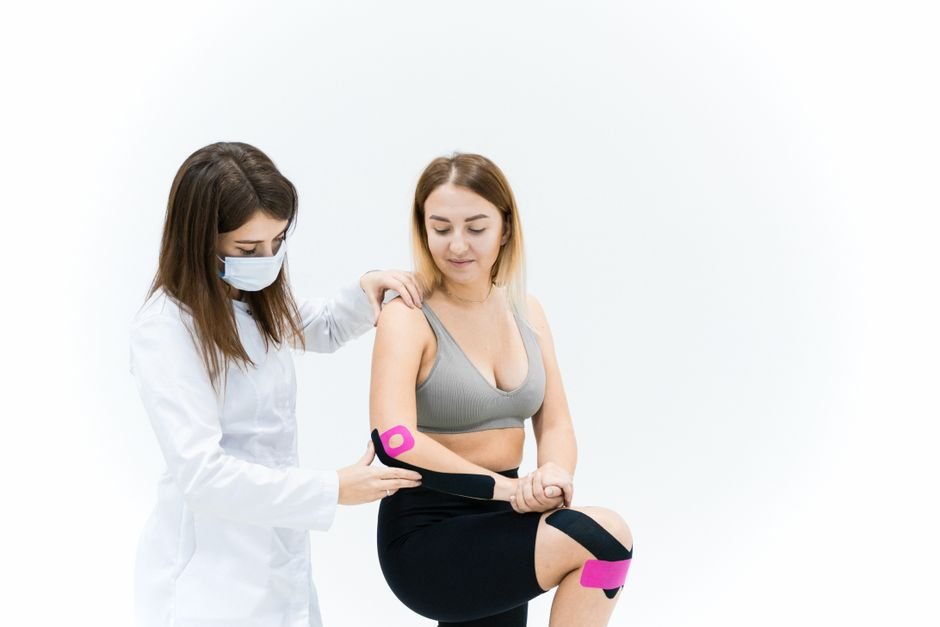
When applying rigid athletic tapes for joint stability, meticulous attention to detail is paramount. The process typically begins with thorough skin preparation, ensuring the area is clean, dry, and free of hair to promote optimal adhesion and prevent skin irritation. Pre-wrap may be used as a protective barrier, especially for sensitive skin or areas requiring frequent taping. Anchor points are established above and below the joint to provide a stable base for the tape strips. For an ankle sprain, for instance, we might apply anchor strips around the lower leg and foot.
Next, specific strips are applied with appropriate tension to create mechanical restriction and limit undesirable movements. Techniques like “ankle stirrups” involve vertical strips applied from the lower leg anchor, passing under the heel, and attaching to the foot anchor, providing inversion protection. “Figure-eight locking” patterns further reinforce stability by weaving tape around the joint in a crisscross fashion. For patellar tracking issues, specialized techniques can be used to pull the kneecap medially or laterally, improving its alignment within the trochlear groove. The goal is to achieve structural rigidity and acute stabilization, offering external support that allows the athlete to move with greater confidence and reduced pain, facilitating early mobilization and protecting the healing tissues. These precise applications are vital for athletes in high-impact sports, ensuring they can safely return to training and competition.
Integrating Dynamic Strapping into Progressive Return-to-Play
As an athlete progresses through rehabilitation, the focus shifts from acute stabilization to restoring functional mobility and supporting active recovery. This is where dynamic strapping, primarily using elastic kinesiology tape, becomes invaluable. Unlike rigid tape, which restricts motion, dynamic tape is designed to move with the body, providing support without limiting range of motion.
During the progressive return-to-play phase, we integrate dynamic strapping to facilitate eccentric loading, improve gait correction, and provide kinetic support. For example, after a hamstring strain, kinesiology tape can be applied along the muscle belly to reduce swelling, alleviate pain, and provide proprioceptive feedback that encourages proper muscle activation during running or jumping. For athletes recovering from an ACL injury, dynamic tape around the knee can enhance neuromuscular control, helping to stabilize the joint during functional movements and improve confidence. The tape’s ability to lift the skin also promotes lymphatic drainage, reducing residual swelling and muscle soreness, which is particularly beneficial for athletes undergoing intensive training. By supporting the body’s natural healing mechanisms and enhancing movement quality, dynamic strapping helps bridge the gap between structured rehabilitation exercises and the demands of full competition, ensuring a safer and more efficient return to sport.
Integration and Sourcing in High-Performance Training
The demands of high-performance training environments necessitate athletic tapes that are not only effective but also durable and safe for prolonged skin contact. For women in sports, who are pushing boundaries in increasingly competitive arenas, the quality of their equipment, including athletic tapes, directly impacts their ability to train consistently and recover optimally.
Sourcing Professional Athletic Tapes for Daily Training
When sourcing athletic tapes for daily training and competition, several factors are critical. First, the material composition is important; medical-grade cotton tapes are breathable and comfortable, minimizing skin irritation. The adhesive strength is paramount, ensuring the tape remains securely in place through intense workouts, sweat, and varying environmental conditions. Sweat resistance is a key feature, as tapes that lose adhesion quickly become ineffective. Hypoallergenic adhesives are also crucial to prevent allergic reactions, which can sideline an athlete or cause discomfort.
Furthermore, we consider the tensile strength and tearability of the tape. Rigid tapes need sufficient tensile strength to provide robust support, while also being easily tearable by hand for quick application during practice or games. Durability standards ensure that the tape maintains its integrity over several hours or even days, depending on the type. For athletes like those in the WNBA or NWSL, who endure rigorous schedules, having reliable, high-quality tape is non-negotiable. It’s an investment in their health, performance, and ability to stay in the game.
Prophylactic Support Versus Post-Injury Management
Athletic taping serves a dual purpose in sports: prophylactic support and post-injury management. Prophylactic taping involves applying tape to healthy joints or muscles to prevent injury recurrence or reduce the risk of initial injury. For example, taping an ankle that has a history of sprains can provide added joint proprioception and stability, boosting athlete confidence and mitigating the risk of another injury during high-risk activities. This preventive taping strategy is particularly valuable for women athletes who may be predisposed to certain injuries due to biomechanical factors.
Conversely, post-injury management uses taping as a crucial component of rehabilitation. This involves applying tape to support injured tissues, reduce swelling, and facilitate controlled movement during the healing process. The choice between rigid and dynamic tapes depends on the stage of recovery and the specific goals. Rigid tape might be used for acute stabilization, while dynamic tape could support functional mobility in later stages. Both approaches contribute to chronic management by helping athletes maintain activity levels while protecting vulnerable areas. The strategic use of taping, whether for prevention or recovery, is a cornerstone of modern sports medicine, helping athletes to perform at their best and prolong their careers.
Frequently Asked Questions About Sports Taping
As sports medicine continues to advance, so does our understanding and application of athletic taping. Here, we address some common questions regarding sports rehabilitation and taping protocols.
How do professional athletic tapes support joint and ligament recovery?
Professional athletic tapes support joint and ligament recovery primarily through two mechanisms: mechanical stabilization and proprioceptive feedback. Rigid tapes provide external structural stabilization, limiting excessive or harmful movements that could re-injure healing tissues. This joint offloading reduces stress on damaged ligaments, allowing them to repair. For instance, in the case of an ankle sprain, tape can prevent the ankle from rolling inward or outward, protecting the compromised ligaments.
Dynamic, elastic tapes, on the other hand, enhance proprioceptive input. By stimulating nerve endings on the skin, they increase the athlete’s awareness of their body position and movement, which can improve neuromuscular control around the injured joint. This can help retrain muscles to support the joint more effectively, contributing to long-term stability and reducing the risk of future injury. Both types of tapes, when used appropriately, facilitate tissue healing by creating a more stable and supportive environment for recovery.
What is the primary difference between rigid tape and kinesiology tape?
The primary difference between rigid tape and kinesiology tape lies in their material properties and intended mechanisms of action. Rigid tape, often made of inelastic cotton with a strong adhesive, is designed for mechanical restriction. Its main purpose is to limit unwanted joint motion, providing strong external support and immobilization. It’s typically used for acute injury stabilization, to protect healing structures, or to prevent specific movements that could lead to injury.
Kinesiology tape, conversely, is made from elastic cotton with an acrylic adhesive, allowing it to stretch up to 140% of its original length. Its primary function is to provide elastic mobility and neurosensory facilitation. Instead of restricting movement, it moves with the body, lifting the skin to improve circulation, reduce swelling, and enhance proprioception. It’s often used for muscle support, pain modulation, and to encourage proper movement patterns during rehabilitation and activity. While rigid tape acts as a brace, kinesiology tape acts more as a sensory and circulatory aid.
How often should athletic tape be replaced during active rehabilitation?
The frequency with which athletic tape should be replaced during active rehabilitation depends on several factors, including the type of tape, the area being taped, the athlete’s activity level, and skin integrity. Rigid athletic tape, due to its strong adhesive and restrictive nature, is generally replaced daily or even more frequently if it becomes loose, wet, or soiled. Prolonged wear can lead to skin irritation or maceration, especially if the tape gets wet or if the athlete sweats heavily.
Kinesiology tape, being more breathable and less restrictive, can often be worn for several days, typically 3-5 days. However, it should be replaced if it starts to peel, loses its elasticity, or if the athlete experiences any skin irritation, itching, or discomfort. Daily hygiene is important regardless of tape type; the skin underneath should be cleaned and inspected regularly. For athletes in high-intensity training or competition, monitoring the tape’s condition and the underlying skin is crucial to prevent complications and ensure the tape remains effective.
Conclusion
The journey of women in sports has been one of remarkable progress, shattering historical barriers and stereotypes to achieve unprecedented levels of participation and professional recognition. From the early days when women were excluded from the Olympics to the thriving WNBA and NWSL of August 2026, female athletes continuously redefine what is possible. As the athletic demands intensify, so does the need for sophisticated support systems to ensure their longevity and peak performance.
Professional athletic tapes stand as a testament to the advancements in sports medicine, offering crucial tools for injury prevention, rehabilitation protocols, and performance enhancement. Whether providing rigid mechanical stabilization for acute injuries or dynamic neurosensory feedback for functional recovery, these tapes empower athletes to push their limits safely. By understanding the biomechanical demands, the physiological impacts of repetitive stress, and the specific mechanisms of different tapes, we can better support women athletes in their pursuit of excellence. Investing in high-quality athletic tapes and adhering to evidence-based care ensures that these incredible athletes can continue to inspire, compete, and achieve their goals, contributing to the enduring legacy of women in sports for generations to come.